Blog / Guide
Employer branding video: what it is and how I film it well
What an employer branding video is, what it does in recruitment processes and how I film it so it comes across as credible rather than a corporate ad.
More and more companies in Madrid ask me for an employer branding video without quite knowing what to call it. They describe it differently: we want something to attract people who'd like to work here, we need to show what the team is like on the inside, our careers page feels very cold. That's exactly what this type of video solves.
It isn't a traditional corporate video or a client testimonial. It's aimed at a different audience: candidates, not clients. And that changes the tone, the length and even what gets shown. This isn't about business results — it's about people and what day-to-day life inside the company is really like.

What an employer branding video is and why it matters
An employer branding video shows what it's like to work at a company from the inside. It doesn't sell a product or a service; it sells the experience of being part of the team. It talks about culture, the workplace, the people who are already there and why they stay.
It's mostly requested by companies competing for scarce technical profiles: developers, engineers, data specialists. When salary and conditions are similar across several offers, what usually tips a candidate's decision is the impression they get of the culture and the team. A well-made video conveys that in 90 seconds better than any text in a job ad.
I'm also seeing it more and more in HR departments that want to reduce early turnover. A candidate who gets an honest look at day-to-day life before accepting the offer arrives with more realistic expectations, and that cuts departures in the first months of the contract, which are usually the most expensive for any recruitment team to deal with.
How I film it well
Choosing who goes in front of the camera
I don't pick the person with the most senior title; I pick the one who best tells their real experience. I usually film two or three different profiles: someone who hasn't been at the company long, to talk about joining, and someone who's been there longer, to talk about growing internally. I never use a fixed script, but I do use guide questions so the answers come out naturally and don't sound rehearsed.
Filming real day-to-day life, not an artificial script
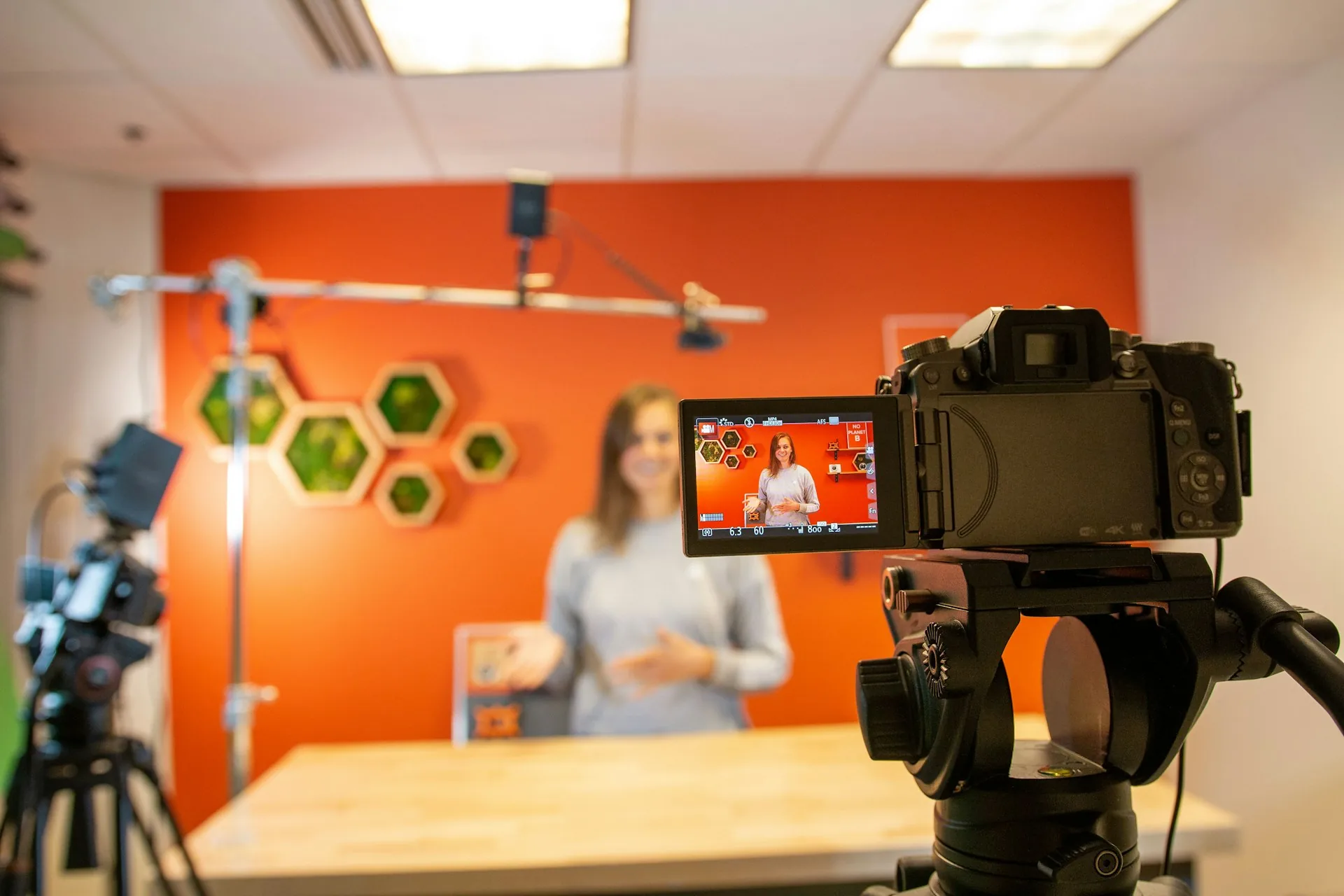
I avoid staged meeting scenes with people smiling at the camera. I prefer close-ups while people are genuinely working: a whiteboard with notes, a real conversation between two colleagues, the mid-morning coffee. That supporting footage, the B-roll, is what makes the video credible. Without it, any testimonial sounds like advertising, however well lit it is.
Where and how it's used afterward
The final piece almost never lives on its own. It gets cut into short clips for LinkedIn, for the careers page and for specific hiring processes, where a recruiter sends it directly to the candidate in the final stage before an interview. That's why I always deliver a long 2–3 minute master plus a set of 60–90 second vertical cuts ready for social media, so nothing needs re-editing later.
Common mistakes
- Over-scripting the answers: it shows, and it destroys the very credibility you're after.
- Filming only executives: candidates want to see someone in a role similar to theirs, not just the CEO.
- Not showing the real physical workspace: if the office doesn't look like the video, it has the opposite effect.
- Making it too long: for social media and hiring processes, 60 to 120 seconds per piece works best.
- Forgetting subtitles: most people watch it with the sound off on LinkedIn, and without subtitles the message is lost.
- Never refreshing it: a three-year-old video featuring people who no longer work there undermines credibility instead of building it.
Frequently asked questions
How long is an employer branding video?
The main piece usually runs 2 to 3 minutes for the careers page. For social media, I cut 60–90 second pieces focused on a single message: onboarding, culture or one specific testimonial.
How many people do I need to film?
3 or 4 short testimonials are usually enough to cover several profiles and departments without the video getting too long. I prefer quality of answers over quantity of people.
Can it be filmed in a single day?
Yes, I normally get it done in one day: interviews in the morning and B-roll of the space and the team at work in the afternoon. If the company has several offices, I add half a day per location.
Do I need a fixed script before filming?
No, and in fact I advise against it. I prepare guide questions with HR before the shoot, but I let each person answer in their own words. A memorized script almost always shows.
If your company is competing for talent and your job ads aren't telling the human side of the team, write to me via /en/contacto and we'll look at which format fits your hiring process and the time you have available for filming.