Blog / Guide
Workplace safety corporate video: how I film it properly
How I film a workplace safety video for industrial companies: the real on-site procedure, a script validated by the safety officer, clear shots and short pieces for each risk.
A workplace safety video isn't just any corporate video. It has to teach an exact procedure, not sell an idea. If the worker watching doesn't understand right away how to put on the harness or where the forklift must not pass, the video has failed.
I've spent several years filming this kind of piece for industrial and construction companies in Madrid. The difference from a regular corporate video is the approach: here the star is the procedure, not the person explaining it.
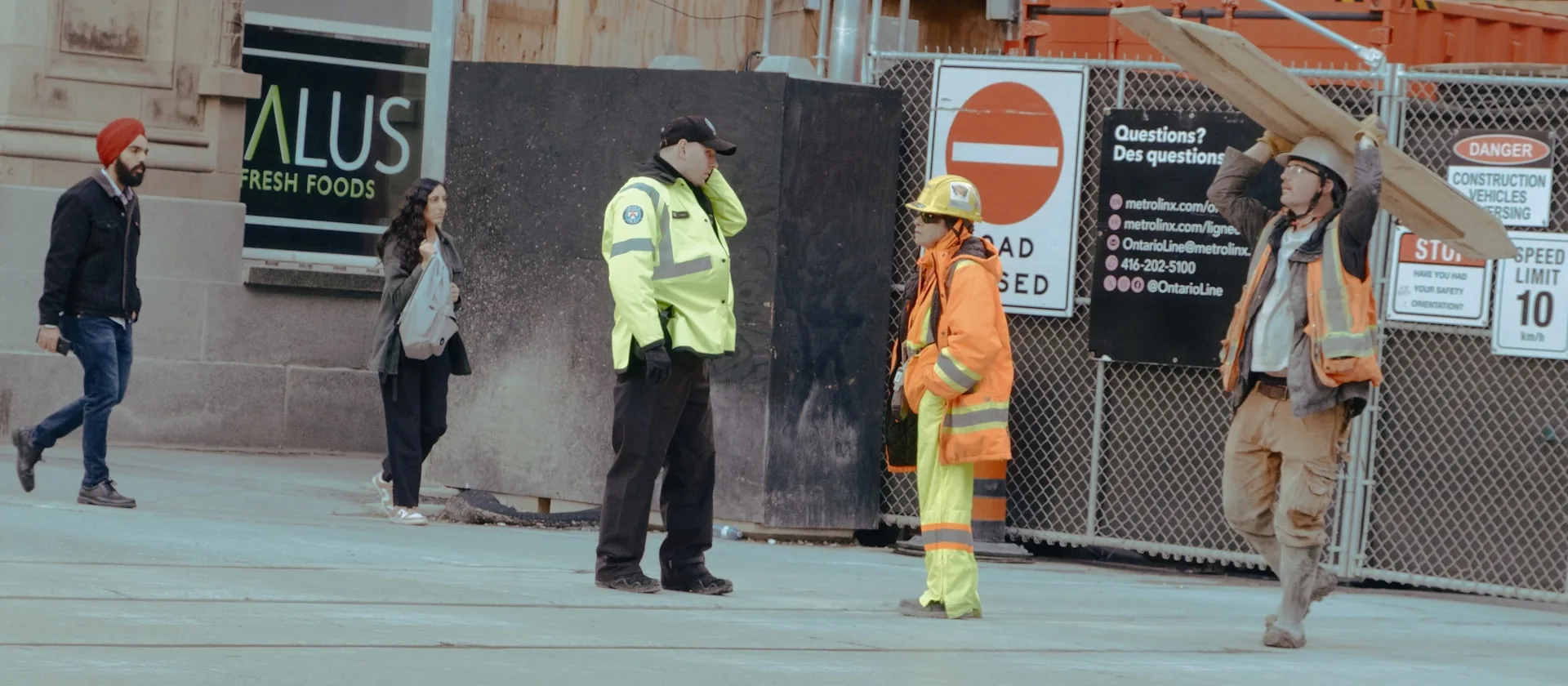
What it is and why it matters
A workplace safety corporate video is the audiovisual piece a company uses to train its workforce in risk prevention: PPE use, evacuation protocols, machinery operation, what to do in an accident. It doesn't replace mandatory in-person training, but it reinforces it and leaves material that can be rewatched as many times as needed.
It matters because the law requires occupational risk prevention training, and a well-made video meets that obligation better than a 40-page PDF nobody finishes reading. A worker retains much more from watching 4 minutes of video with the real procedure filmed in their own plant than from reading a generic manual translated from another country.
It also matters for legal liability. If there's an accident and the company can show it trained its workforce with clear, specific and dated material, its position in an inspection or a claim changes completely.
How to do it well
I film the real procedure, not a generic re-enactment
The most common mistake is buying a generic stock safety video and putting the company logo on it. It doesn't work. I film in the actual plant, with the actual machinery and, whenever possible, with one of the company's own workers demonstrating the procedure. The worker watching recognizes the place and the machine, and that makes them pay attention.
The script is reviewed by the safety officer, not just communications
Before filming, the script goes through the company's risk prevention officer. A mistake in the order of a procedure (for example, cutting the power before isolating a machine) can turn the video into a legal problem instead of a solution. That technical review is non-negotiable, even if it pushes the schedule back a week.
Clear shots, no decoration
No aerial drone shots or dramatic background music. I prioritize close-ups of hands, static framing that shows the full step-by-step, and captions naming each piece of PPE or tool. In post-production I check those captions and the subtitles in DaVinci Resolve before delivering the master: aesthetics always take a back seat to clarity.
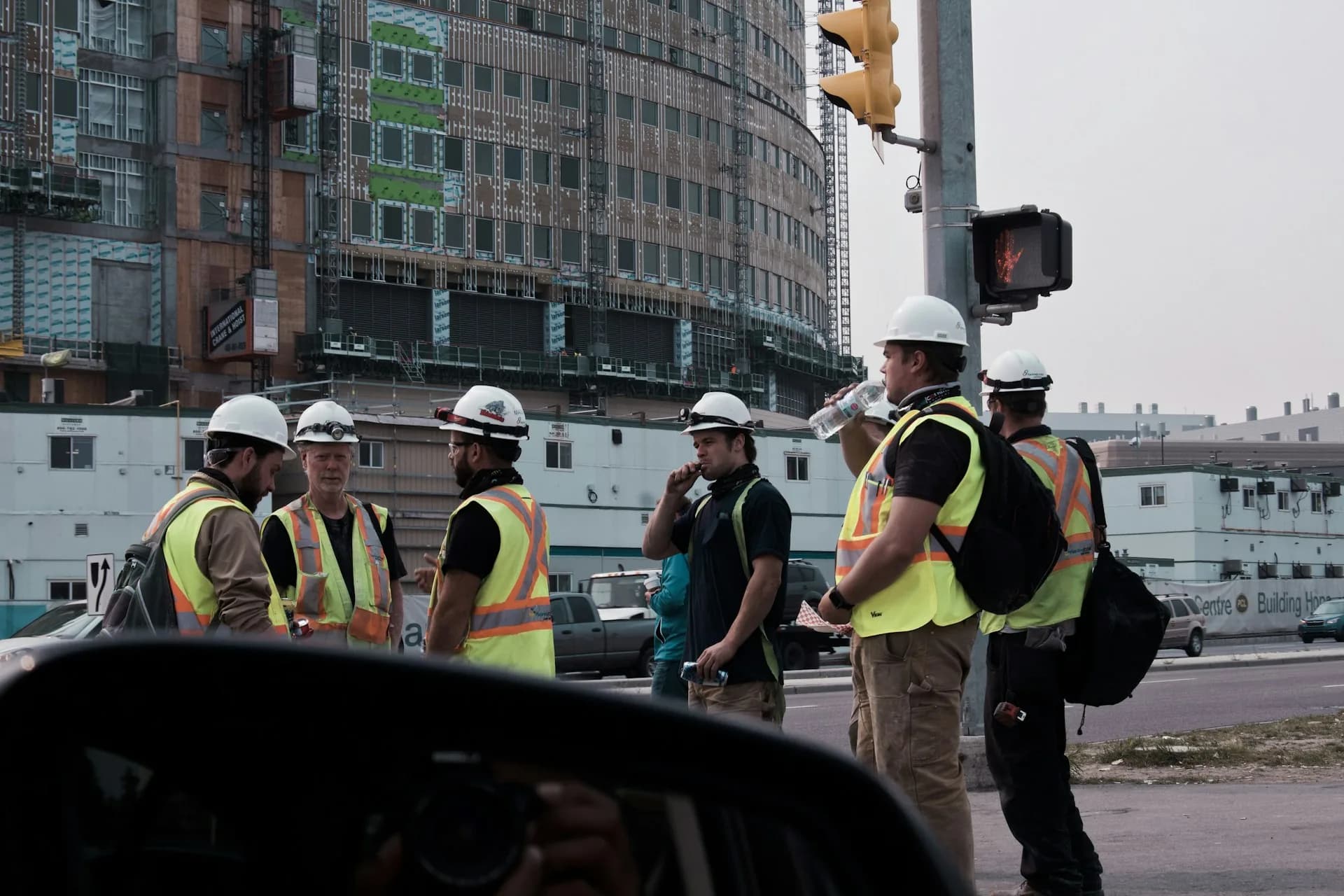
Common mistakes
- Using generic stock video instead of filming the plant's real procedure.
- Not validating the technical script with the safety officer before filming.
- Filming artistic shots that make it hard to see the details of the procedure.
- Making a single 20-minute video instead of short pieces for each procedure.
- Not subtitling the video for staff whose first language isn't Spanish.
- Not planning an annual review of the content when regulations or machinery change.
Frequently asked questions
Does a workplace safety video replace in-person health and safety training?
No. Regulations require in-person training certified by a qualified professional. The video is a reinforcement: it's useful for reviewing the procedure before a specific task or for training someone who joins outside the general training calendar.
How long is a well-made workplace safety video?
Between 3 and 6 minutes per procedure. If the company needs to cover several risks (PPE, evacuation, forklift operation), I prefer to film short standalone pieces rather than one long video nobody watches to the end.
How much does it cost to film a workplace safety video?
For a day of filming at a single plant covering 2 or 3 procedures, the budget usually ranges from €1,200 to €2,500, depending on whether graphics with captions and subtitles in several languages are needed.
Do you need an actor or can a real company employee appear?
A real employee is better, as long as they're willing and know the procedure well. The goal is for the rest of the workforce to identify with the person on screen, not for it to look like an ad.
If your company needs to train its workforce in risk prevention with a clear video validated by your safety officer, tell me about the plant and the procedures you want to cover via /en/contacto.