Blog / Guide
Corporate video for the healthcare sector: how I approach it
How I approach corporate video for clinics, hospitals and healthcare centers in Madrid: patient privacy, clinical lighting and the shots that build real trust.
In healthcare, video doesn't sell a treatment, it sells trust. A patient looking for a clinic doesn't just compare prices; they compare who will be treating them and under what conditions. If the video doesn't convey professionalism and warmth at the same time, it isn't doing its job, however good the image quality.
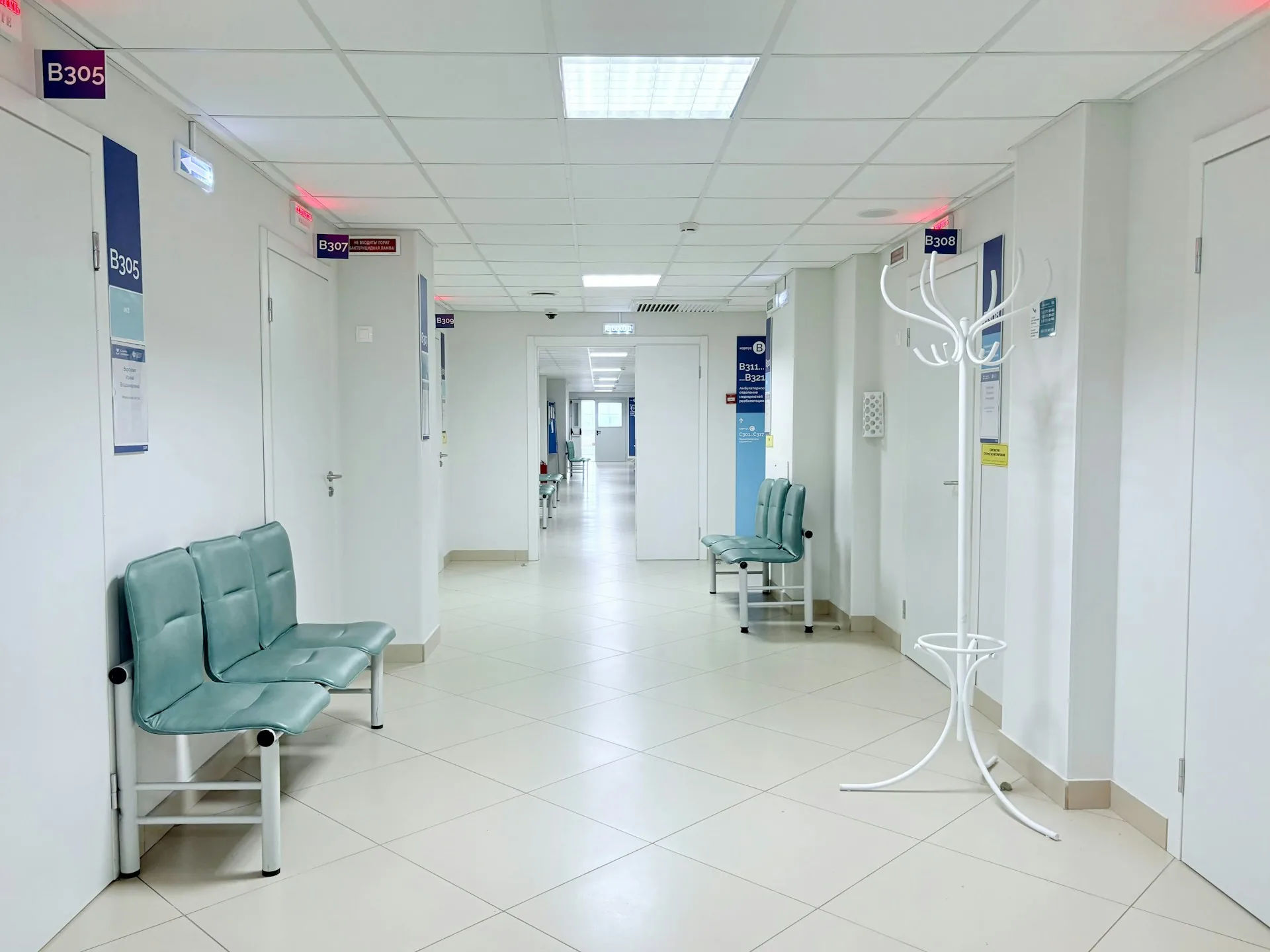
I've filmed at dental clinics, physiotherapy centers and private medical practices in Madrid, and the challenge is always the same: showing a clinical space without it looking cold, and showing the medical team without it looking like a generic stock ad.
What it is and why it matters
A corporate video for the healthcare sector serves different goals depending on who commissions it: a clinic wants to present its facilities and medical team, a center wants to explain a specific treatment, and a private hospital wants to strengthen its brand against the competition. What they have in common is that the video partly replaces the first in-person visit.
It matters because deciding to go to a clinic means putting your body, or your face, in someone's hands. That level of trust isn't built with epic music and stock footage; it's built by seeing the real space, the equipment and, above all, the people who will be looking after you.
It also matters because in this sector data protection and patient image rights are stricter than in any other. A poorly planned video doesn't just look worse; it can create a serious legal problem if a patient is filmed without explicit written consent.
How to do it well
Consent is handled before the camera is switched on
Before any shoot involving real patients, I ask the clinic to have signed consent specifically for audiovisual use, not just for the treatment. If there isn't time to arrange it in advance, I either film with volunteer patients from the team itself or focus on shots of the facilities and healthcare staff without identifiable patients.
Clinical lighting needs its own treatment
Fluorescent lighting in a consulting room tends to look flat and harsh on camera. I always add a soft light source (a diffused LED panel) to soften shadows on faces without losing the clean, clinical look the space needs to convey. No dark or warm setups: in healthcare, visual cleanliness is part of the message.
The medical team talks, they don't recite
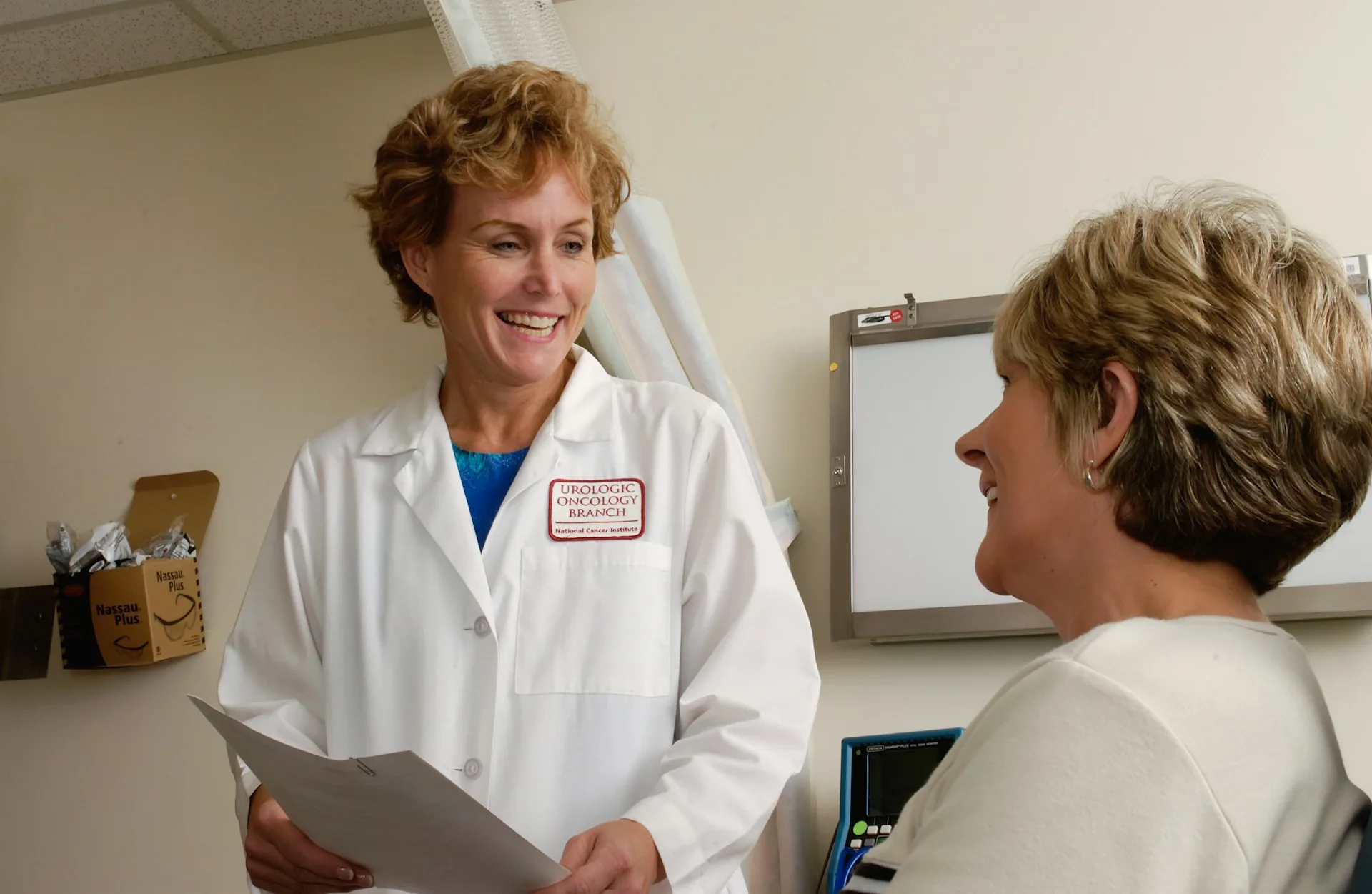
When I film a doctor or physiotherapist explaining a treatment, I avoid a word-for-word memorized script: it sounds artificial and it shows. I prefer open questions, with a teleprompter only as support for key ideas, and I let the person speak in their own words. You shoot more footage, but the result sounds like a real person, not a commercial.
Common mistakes
- Filming recognizable patients without signed consent specifically for audiovisual use.
- Using aggressive music or editing pace, which sets the wrong tone in a healthcare context.
- Leaving fluorescent lighting uncorrected, with flat faces and harsh shadows.
- Word-for-word memorized scripts that sound like an ad and undermine the professional's credibility.
- Not showing the equipment or the cleanliness of the space, which is exactly what a patient wants to check.
- Filming only the building and forgetting the people, who are what really builds trust.
Frequently asked questions
How much does a corporate video for a clinic or medical center cost?
For a clinic with facilities and two or three interviews with the medical team, the usual range is €1,200 to €3,000, depending on the final length and whether several pieces for social media are needed.
Is consent mandatory for patients who appear in the video?
Yes, always. Consent for the medical treatment isn't enough: you need specific consent for the use of their image in corporate or marketing video, signed before filming.
How long is a good video for a clinic?
Between 60 and 120 seconds for the main introduction video. If the goal is to explain a specific treatment, I prefer shorter, more focused pieces of 30 to 45 seconds designed for social media.
Can you film without disrupting the clinic's activity?
Yes, by scheduling the shoot at quieter times or in rooms that aren't in use that day. I always agree a schedule with the center's management that doesn't affect patient care.
If you run a clinic or healthcare center and want a video that builds real trust while protecting your patients' privacy, tell me about your project via /en/contacto.