Blog / Guide
Corporate video for the retail sector: what works and what doesn't
How I approach corporate video for stores and retail chains in Madrid: which shots convey the brand, how to film while the store is open to the public and which mistakes to avoid.
In retail, a corporate video has to coexist with stores open to the public, real customers coming and going, and a space designed for selling, not filming. That completely changes how I plan the shoot compared with other sectors where you can simply clear the space.
I've filmed in stores and chains in Madrid, and what works best isn't the most polished video, but the one that respects the rhythm of the point of sale and still manages to convey the brand clearly.
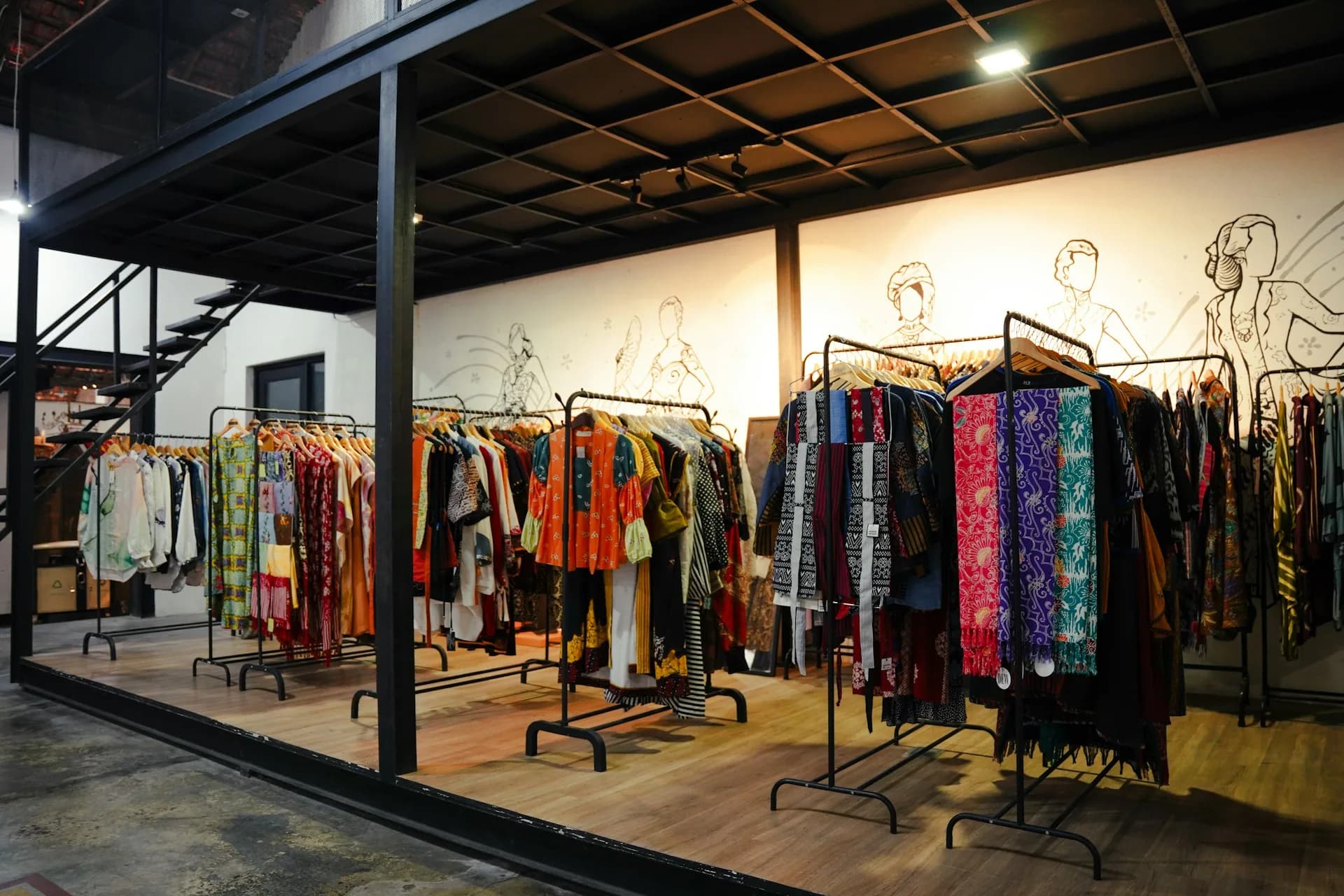
What it is and why it matters
A corporate video for retail usually pursues one of three goals: presenting a store opening or remodel, showing the shopping experience for social media or the website, or documenting internal culture for recruiting. Each goal changes the type of shot, but they all start from the same challenge: the space is already designed for the customer, not the camera.
It matters because in retail the buying decision is made in seconds, and that same logic carries over to how a video grabs or loses attention. A badly lit shot or a messy shelf on screen communicates exactly the opposite of what the brand projects in the physical store.
It also matters because many chains film on a store manager's phone and post that footage to social media with no brand image criteria at all. A well-planned corporate video elevates that same content without losing the spontaneity that works on social media.
How to do it well
The shoot is scheduled for the quietest hours
I always ask for the store's foot traffic data by time slot and plan the shoot for the quietest times, usually first thing before opening or during the midday shift change on a weekday. That avoids interrupting real customers and leaves room to repeat takes without pressure.
Shots show product and people, not just an empty store
A common mistake is filming the store empty and perfect, with nobody inside. I prefer to combine shots of the space with merchandised product and at least one sales associate serving customers or restocking, because that's what a customer sees when they walk in and it's what makes the video credible.
Ambient sound gets as much care as the image
In-store music, the sound of the checkout and background conversations are part of the real shopping experience. I record some of that ambient sound and keep it low in the mix during the edit, instead of replacing everything with library music that disconnects the video from the actual store.
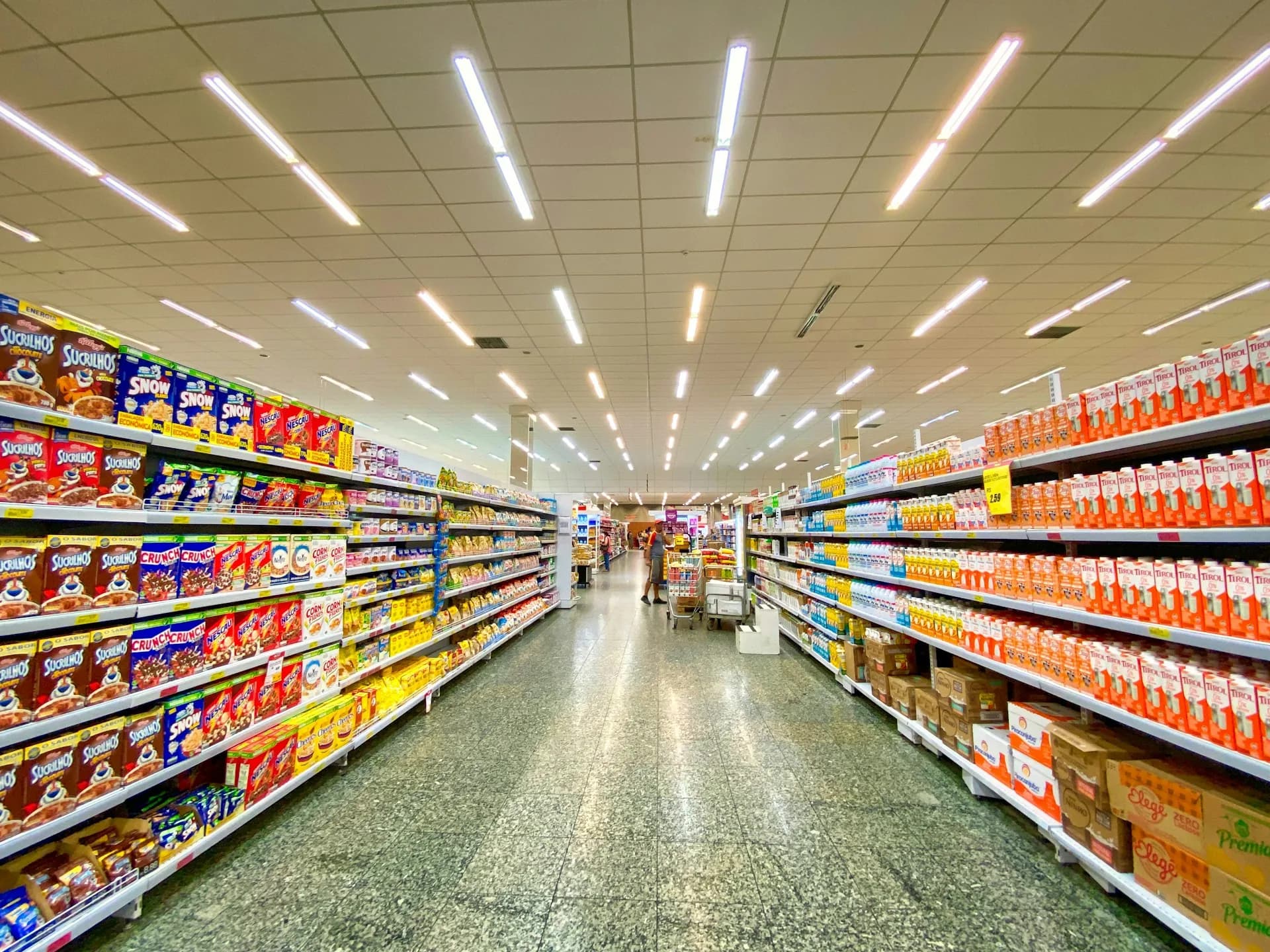
Common mistakes
- Filming with the store closed to the public and losing the natural rhythm that comes from having people inside.
- Framing only shelves and product without a single face to make the brand feel approachable.
- Using generic music that has nothing to do with the store's real sonic identity.
- Not asking permission from customers who appear recognizable on camera.
- Scheduling the shoot on a weekend or during a sales campaign, when staff have no time to help the film crew.
- Delivering a horizontal video when the real destination is vertical Instagram or TikTok.
Frequently asked questions
How much does a corporate video for a store or retail chain cost?
For a one-day shoot at a single point of sale, with product shots and one or two employee testimonials, the usual range is €800 to €2,000, depending on whether it covers a single store or several of the chain's locations.
Can you film while the store is open to the public?
Yes, and it's recommended. With a small crew and shots defined in advance, filming happens during quieter hours, letting the staff on shift know so they can help without neglecting customers.
Do you need to ask permission from customers who appear in the video?
If a customer is recognizable on camera, yes, it's wise to get verbal permission or a short image release. The usual approach is to favor shots of hands, product or customers seen from behind to avoid that step.
Should a retail store film in vertical format?
It depends on where it's going. If the video is for Instagram, TikTok or in-store screens, it's worth filming vertically from the start rather than cropping a horizontal video afterwards.
If you run a store or a retail chain and need a corporate video that shows your real point of sale, tell me about your project via /en/contacto.