Blog / Guide
Corporate video for logistics and transport: what changes in practice
How I approach corporate video for logistics and transport companies in Madrid: which shots tell the story of the real operation, how to film in a warehouse without stopping work and which mistakes to avoid.
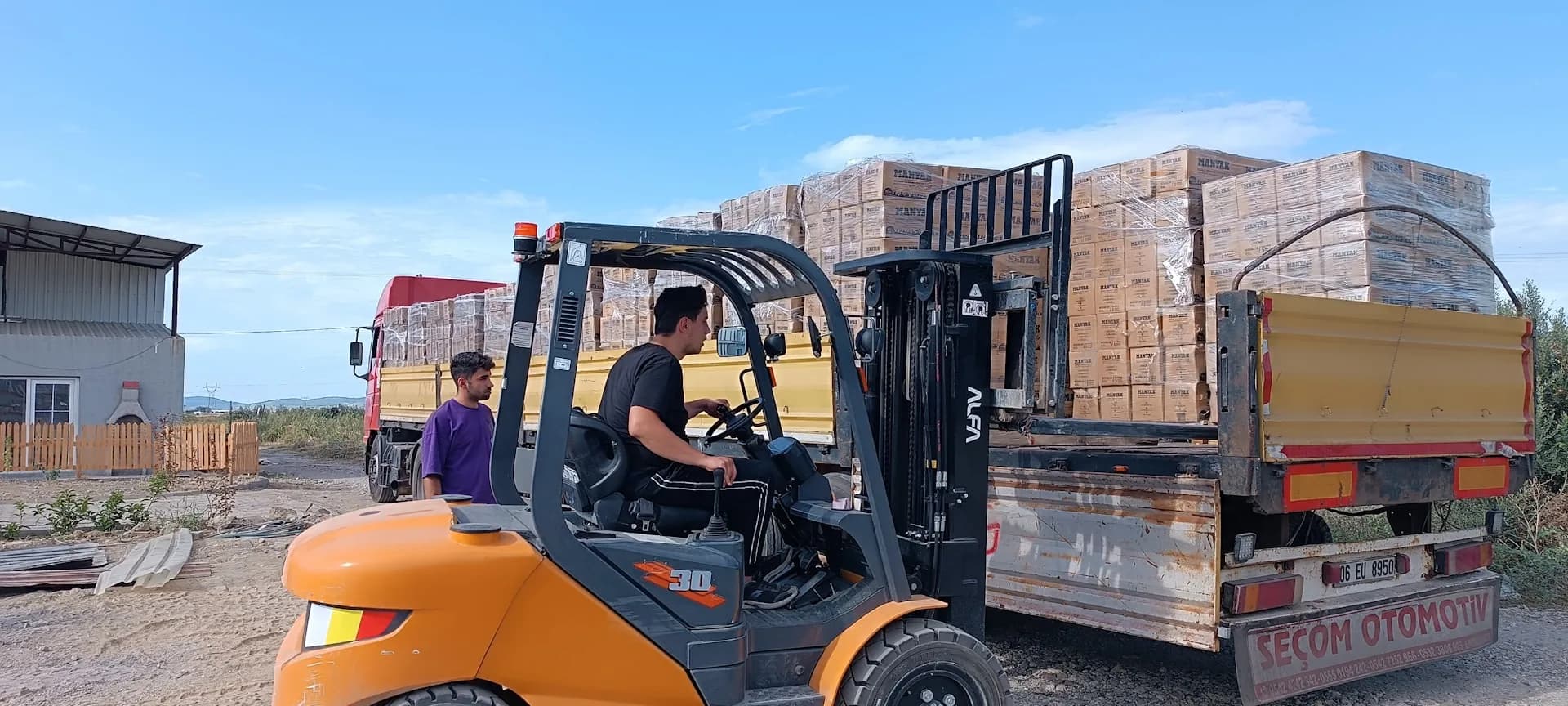
In logistics and transport, corporate video starts from a different problem than in other sectors: the operation doesn't stop so you can film. A warehouse keeps moving goods, a fleet keeps heading out on routes, and the shoot has to fit within that movement without slowing it down.
I've filmed at distribution centers and with transport companies in Madrid, and what works best isn't the most spectacular video, but the one that manages to show the scale and order of the real operation without interrupting a single shift.
What it is and why it matters
A corporate video for logistics and transport usually pursues one of these goals: demonstrating operational capacity to a potential client, clearly explaining a picking or distribution process, or showing the fleet and facilities as a trust signal in a bid. Each goal calls for a different pace, but they all share the same raw material: the operation as it really is.
It matters because in this sector the client deciding to sign rarely visits the warehouse in person beforehand. The video plays that role: it shows volume, order and control without anyone having to travel to check.
It also matters because the sector's generic look (aerial shots of warehouses and corporate music without a single human face) conveys the opposite of what you're after. A client hiring a logistics provider trusts people and processes, not just square meters of warehouse space.
How to do it well
The shoot is planned around the shifts, not the other way around
Before setting a date, I ask for the shift schedule and the peak activity times of the warehouse or fleet. Filming at the time of lowest operational load reduces the risk of interrupting critical processes and makes it easier for employees to speak on camera without the pressure of an urgent order waiting.
The shots follow the real flow of goods
Instead of setting up isolated pretty shots, I follow the real route: goods in, storage, picking, packing, loading and dispatch. That common thread gives the video a logic the viewer understands without needing a voiceover to explain each step.
Employees talk about their specific role, not the company in general
I'd rather have a warehouse worker explain how they prepare an order, or a driver explain how they plan a route, than an executive talking about corporate values. It's a short, specific testimonial, and it's more credible than any slogan about efficiency.
Common mistakes
- Filming at peak times and forcing employees to act naturally while handling real orders.
- Overusing aerial shots of the warehouse without showing anyone working inside.
- Asking for generic testimonials about 'commitment' instead of concrete explanations of a task.
- Not coordinating with safety and occupational risk prevention before moving through forklift traffic areas.
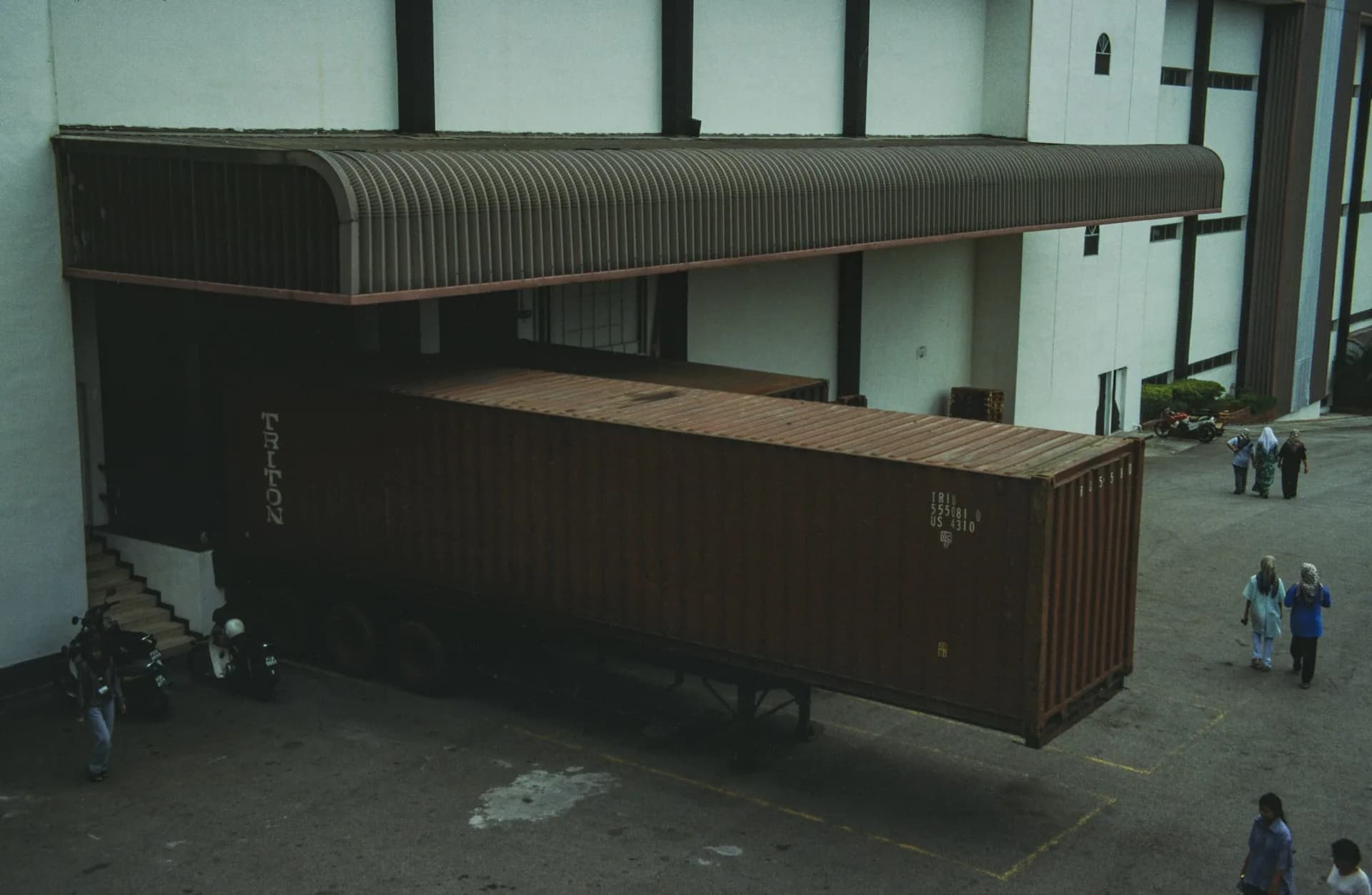
- Filming the fleet parked in the lot instead of on the road or at the real loading dock.
- Ignoring the warehouse's ambient noise and recording audio that turns out to be unusable in the edit.
Frequently asked questions
How much does a corporate video for a logistics or transport company cost?
For a one-day shoot at a warehouse or on the road, with two or three employee testimonials, the usual range is €1,200 to €3,000, depending on the number of locations and whether outdoor drone footage is included.
Can you film without stopping warehouse activity?
Yes, that's the norm. With a small crew and shots defined in advance, filming happens alongside the operation, coordinating with the shift manager on the quieter moments for the shots that need more calm.
Do you need special permission to film in a warehouse or logistics center?
An external permit usually isn't required, but internal safety and occupational risk prevention authorization is, especially for moving through forklift traffic areas or loading docks.
Is it worth including drone footage in this type of video?
It helps show the scale of the facilities or a fleet on the move, but only as a complement. A video made up solely of aerial shots without people feels cold and loses the human side that builds client trust.
If you manage a warehouse, a distribution center or a transport fleet and need a corporate video that shows your real operation, tell me about your project via /en/contacto.