Blog / Guide
Corporate video for hospitality and tourism: what changes
How I approach corporate video for hotels, restaurants and tourism businesses: which shots, sound and formats best convey the real experience to guests.
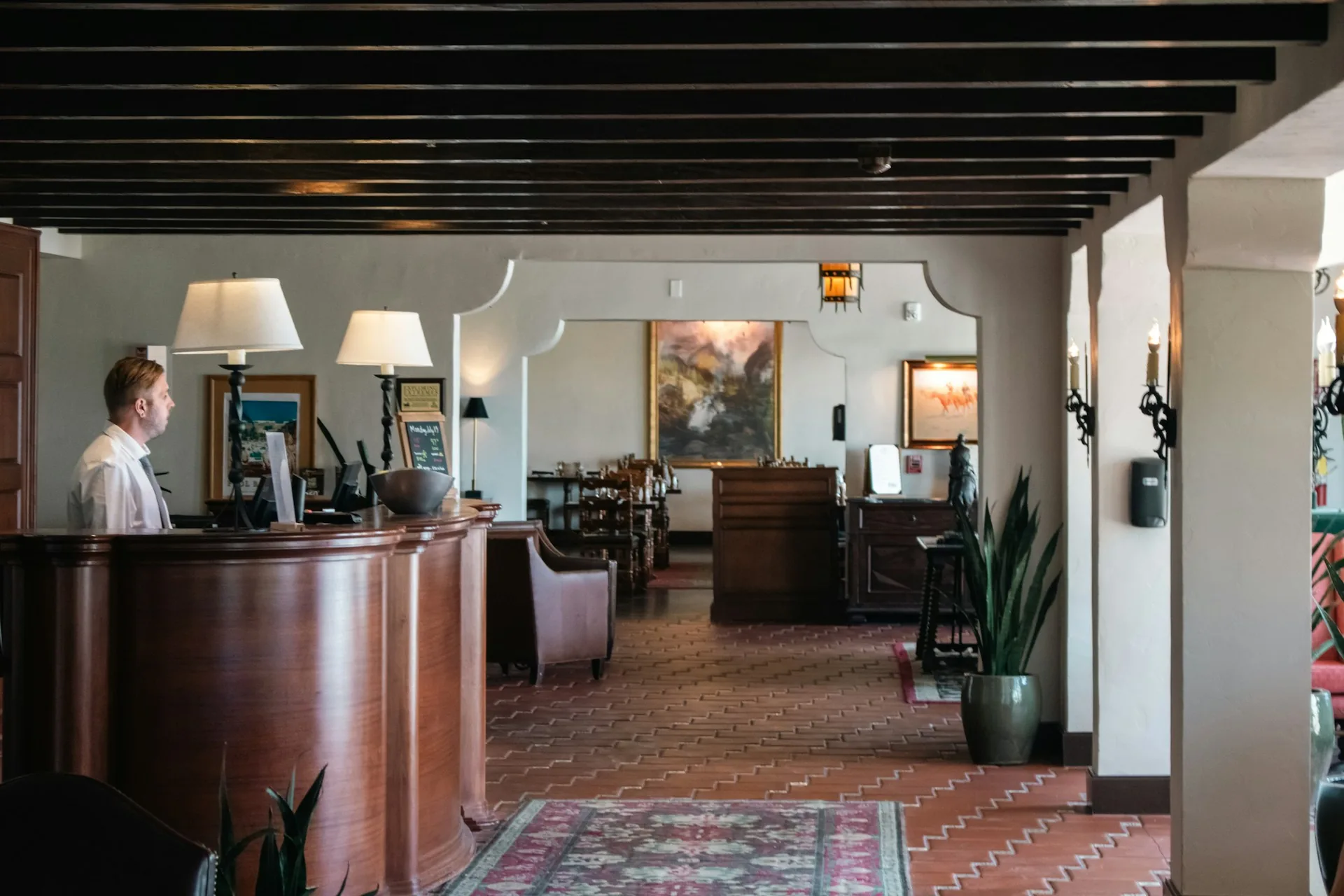
In hospitality and tourism, a corporate video sells an experience, not a service. People don't book a hotel, a restaurant or a guided tour for its technical features; they book because they can picture themselves living it. That completely changes how I plan the shoot.
I've filmed at boutique hotels, restaurants and tourism businesses, and what sets this sector apart is that the video has to spark desire in seconds, not explain processes. Here's how I approach it so it works on the website, on social media and on booking platforms.
What it is and why it matters
A corporate video for hospitality and tourism usually serves three goals: showing the space and the experience to raise perceived value, supporting conversion on the business's own website or on booking platforms, and generating ongoing content for social media that keeps the business visible between guest stays.
It matters because in this sector the buying decision is mostly visual and emotional. A user decides in a few seconds whether a hotel or restaurant fits what they're looking for, and still photos are no longer enough to convey atmosphere, movement and ambient sound.
It also matters because competition is fierce and there's little room for real differentiation. Two hotels of the same category at a similar price compete mainly on how they communicate the experience, and that's where video carries more weight than any other format.
How to do it well
The space is filmed during real service hours, not empty
A hotel without guests or a restaurant without diners conveys the opposite of what you're after. I prefer to schedule the shoot during times of real activity, like afternoon check-in or dinner service, even if that complicates the logistics, because it shows in the credibility of the result.
Ambient sound matters as much as the image
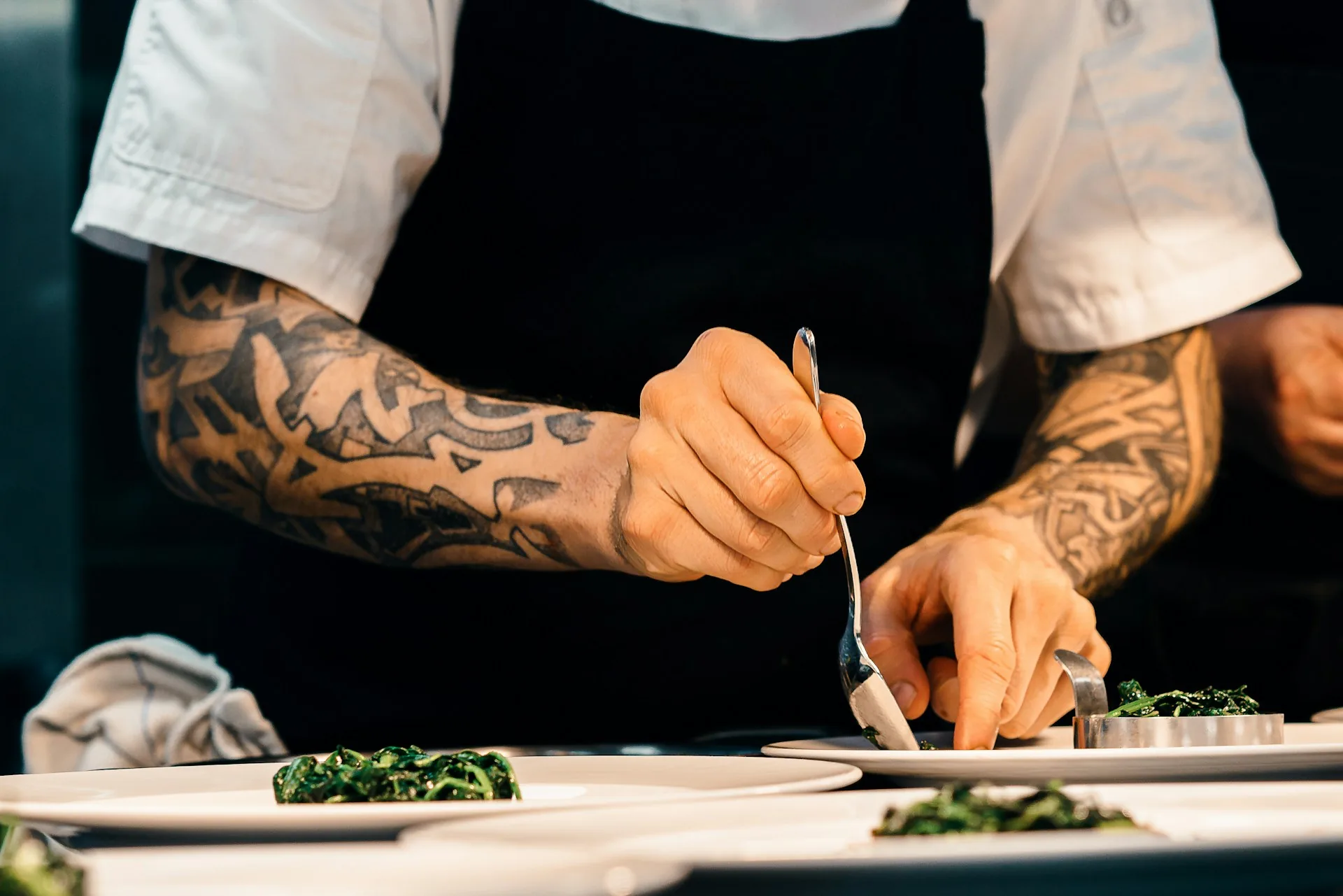
In hospitality, sound sells as much as the shot: the clatter of a kitchen, the buzz of a terrace, the music in a lobby. I record live sound whenever I can, and when that isn't viable because of background noise, I add sound layers in post-production so the piece isn't left without atmosphere.
The format for each channel is planned from the script
I don't film a single video and then crop it for everything. A hotel needs short vertical pieces for Instagram and TikTok, a longer horizontal video for the website and, in many cases, specific clips for its Booking or Google listing. Deciding this before the shoot avoids shots that don't work for any channel.
Common mistakes
- Filming only the empty space, with no guests or staff on camera, losing the feel of a real experience.
- Not getting image releases from guests who appear on camera, which means throwing away useful footage later.
- Ignoring ambient sound and delivering a video with no atmosphere that has to be filled with generic music.
- Filming in the low season or at low occupancy and using that footage to sell the high season.
- Not adapting the video to vertical format, losing most of the reach on Instagram and TikTok.
- Focusing the entire video on the facilities without a single shot of the people who deliver the service.
Frequently asked questions
How much does a corporate video for a hotel or restaurant cost?
For a one-day shoot with wide shots, atmosphere and two or three short pieces for social media, the usual range is €900 to €2,500, depending on the number of spaces and whether filming is needed across several shifts of the day.
Do you need to ask permission from guests who appear in the video?
Yes. The most practical approach is to have a short image release ready in advance and ask for it on the spot, or simply work with extras or the business's own staff if you don't want to depend on real guests.
What time of day is best to film a hotel or restaurant?
It depends on the goal, but I usually combine early-afternoon natural light for exteriors and terraces with the real atmosphere of lunch or dinner service, which brings the activity that makes the video believable.
How long is a corporate video for hospitality?
For the website, a 60- to 90-second piece works best. For social media, I cut that same session into 15- to 30-second clips designed for each platform, instead of uploading the full long video.
If you run a hotel, a restaurant or a tourism business and want a corporate video that conveys the real experience, not just the space, tell me about your project via /en/contacto.