Blog / Guide
Corporate video for the energy sector: what makes it different
How I approach corporate video for wind farms, solar plants and other energy facilities in Spain: site access, safety and shots that convey a real, working operation.
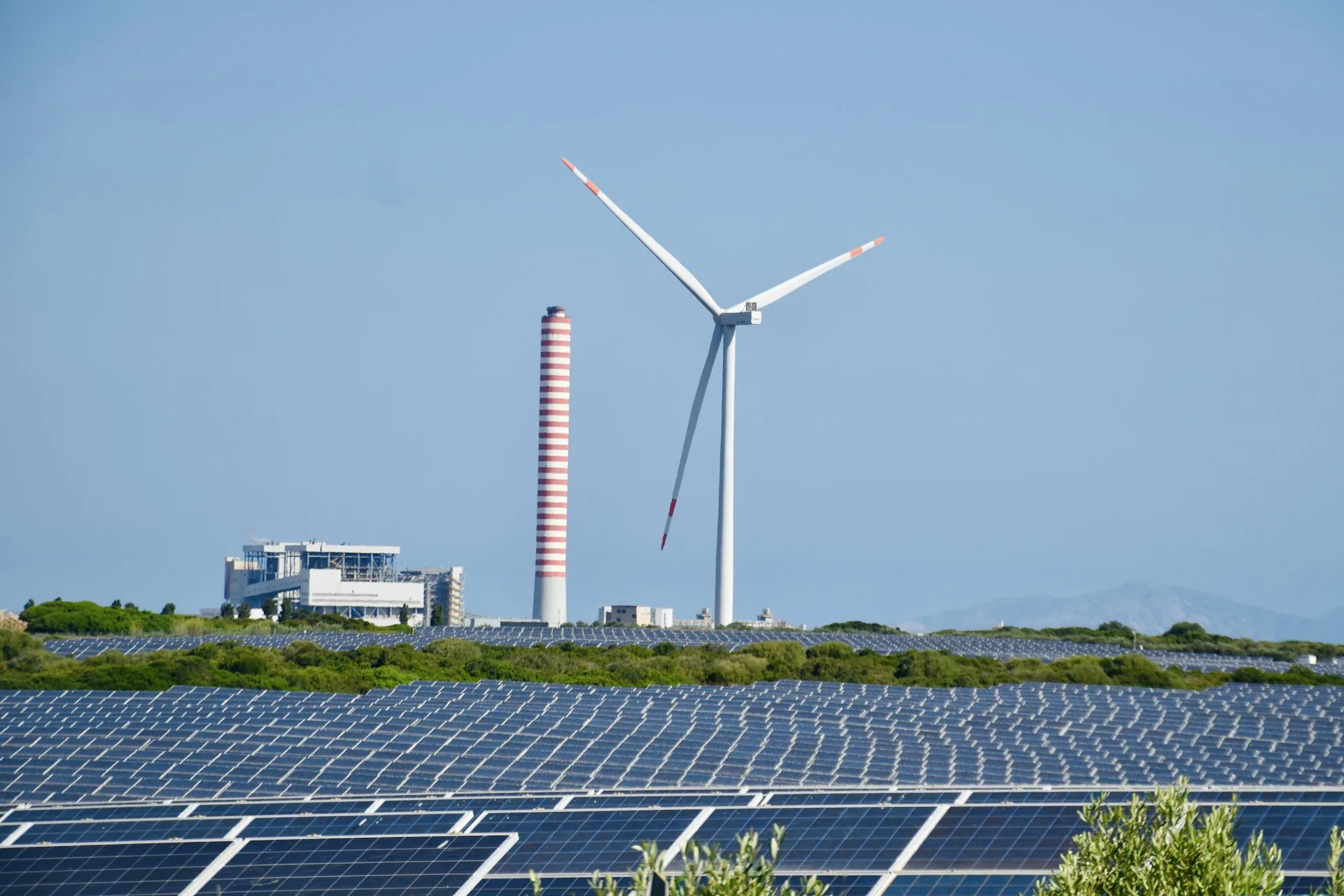
The energy sector poses a different challenge from the rest: most facilities (wind farms, solar plants, substations) are live, with strict safety protocols and access restricted for technical reasons, not image reasons. Filming there means planning with the operation, not around it.
I've filmed at wind farms and solar plants in Spain, and what changes compared with an office shoot is that the environment is in charge: the weather, maintenance shifts and access rules decide when and how you film, not the production schedule.
What it is and why it matters
A corporate video for the energy sector usually responds to three needs: showing the real operation of a plant or farm to investors and stakeholders, documenting a construction or expansion project phase by phase, or communicating a company's commitment to the energy transition credibly, without falling into visual greenwashing.
It matters because this is a sector where technical trust outweighs aesthetics. An investor or an industrial client isn't looking for a pretty video; they want to see that the facility works, that the people behind it know what they're doing and that the figures in the project report are backed up by real footage.
It also matters because access to these facilities isn't easily repeated. Once the film crew has been in and out, coming back the following week usually means double or triple the cost, so upfront planning carries much more weight than in other sectors.
How to do it well
Access is coordinated with the safety manager, not just marketing
Before setting a shoot date, I ask to speak directly with the safety manager or the plant manager, not just the communications team. They're the ones who decide which areas are accessible, what PPE is required and at what times the operation allows outside personnel on site.
The film crew wears the same PPE as a plant worker
Hard hat, safety footwear, high-visibility vest and, depending on the facility, a harness or site-specific access training. It isn't a formality: without that gear you simply don't get in, and having it from day one avoids losing a shoot day for failing a basic requirement.
Shots combine the scale of the facility with human work
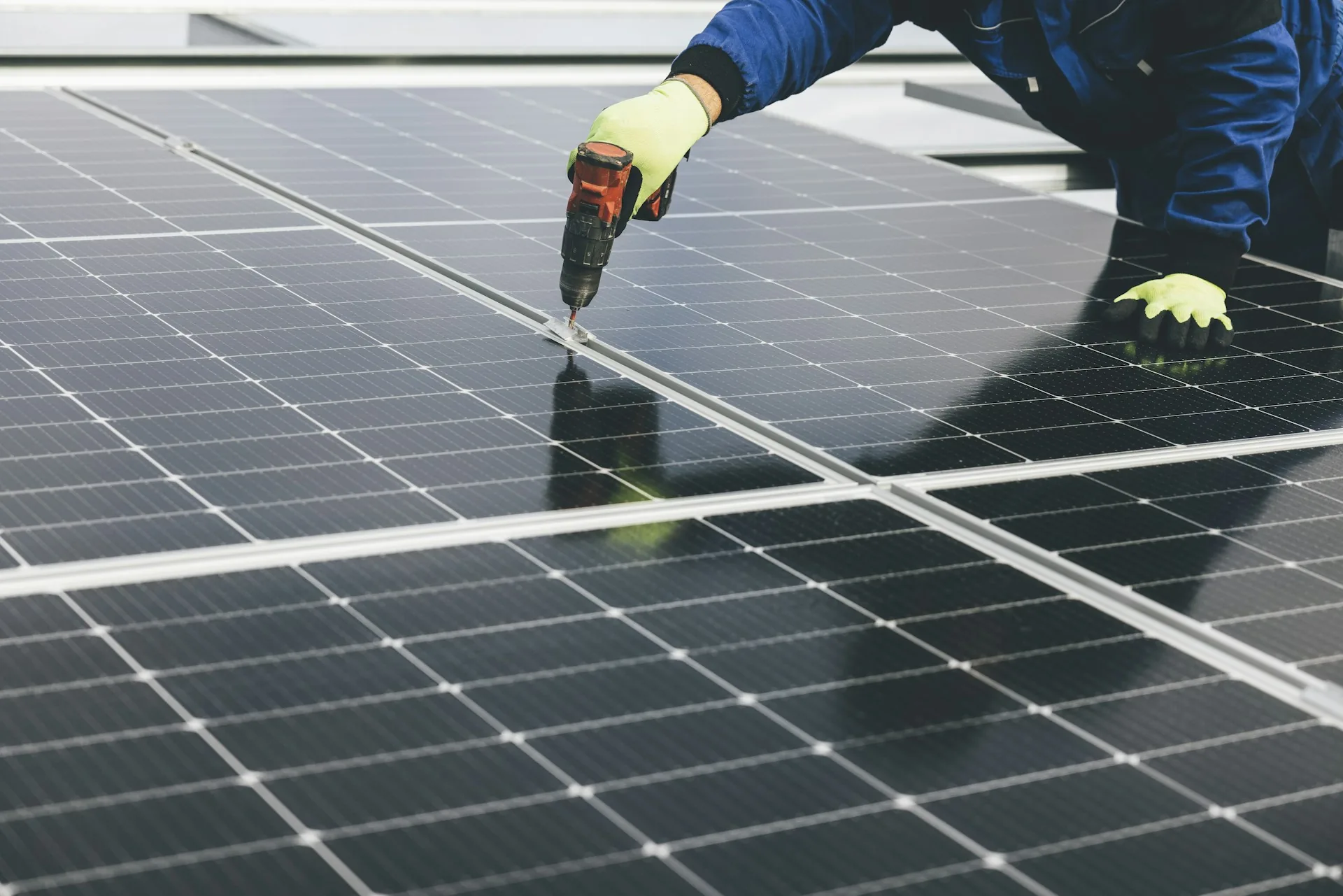
A wind turbine or a solar field with nobody in it conveys size, but not operation. I prefer to intercut wide shots, often by drone when the airspace allows, with shots of technicians doing maintenance or inspections, because that's what makes the project credible to investors.
Common mistakes
- Requesting a drone flight without first checking airspace restrictions near the facility or power lines.
- Filming without the PPE or access training the plant requires, and losing site access that same day.
- Showing only the empty facility, without a single technician or maintenance process on camera.
- Having no plan B if the weather changes on shoot day (wind, rain, fog).
- Using generic "sustainability" graphics instead of the project's own real production data.
- Underestimating travel time within the plant when planning the shoot day.
Frequently asked questions
How much does a corporate video for an energy facility cost?
For a one-day shoot at a single facility, with wide shots, drone footage if the airspace allows and one or two technical interviews, the usual range is €1,200 to €3,000, depending on how complex access is and whether more than one day is needed.
Do you need specific training to film at a wind farm or solar plant?
It depends on the facility, but it's common to require at least a basic sector-specific health and safety course and, at wind farms, working-at-height training if you access the nacelle. The plant itself usually provides that training before granting access.
Can you fly a drone near an energy facility?
Only if the airspace allows it and with prior authorization from the plant and, in some cases, from AESA, Spain's aviation safety agency. Near high-voltage lines or moving wind turbines there are strict restrictions that should be checked weeks before the shoot, not on the day.
How long does a typical shoot at an energy plant take?
A full day, 6 to 8 hours, is usually enough for a mid-sized facility with wide shots, detail shots and a couple of interviews. Construction projects filmed in phases require several visits spread over weeks or months.
If you manage a wind farm, a solar plant or any energy facility and need a corporate video that shows the real operation, tell me about your project via /en/contacto.