Blog / Guide
Corporate video for the construction sector: how I approach it
How I approach corporate video on construction sites: safety, drones, documenting each phase and the mistakes I see again and again with contractors and developers.
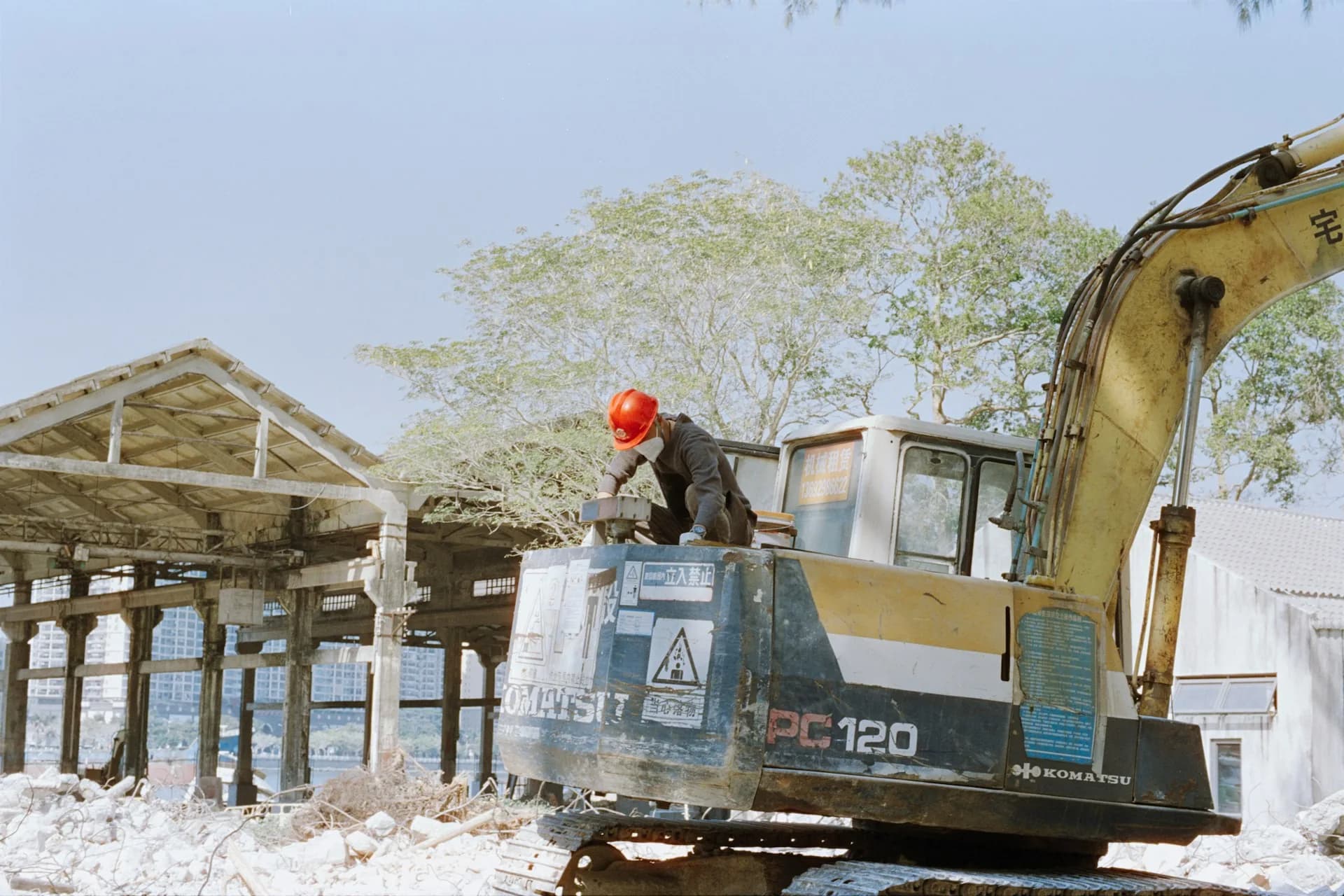
Filming on a construction site is nothing like filming in an office. There's noise, dust, moving machinery and safety rules that aren't optional. A corporate video for a contractor or developer has to account for all of that from the planning stage, not improvise it on shoot day.
I've filmed on residential sites, industrial buildings and civil engineering projects, and what sets this sector apart is that the video is almost never the main goal of the day: the site keeps working around you. Here's how I organize myself so the shoot doesn't get in the way and the result is genuinely useful.
What it is and why it matters
A corporate video in construction usually responds to three needs: showing a project's progress to investors or clients, documenting the contractor's technical capabilities for future bids, and keeping a visual record of construction phases that later get covered by other layers of work.
It matters because in this sector trust is built on evidence. A developer who shows real construction progress, with dates and context, conveys more confidence than any render or brochure. And a contractor that documents its work well has reusable footage for years, not just for one client.
It also matters because many phases of a build never happen again. Foundations, a structure before the facade goes on, services that are later covered up: if they aren't filmed at the time, that footage is lost forever.
How to do it well
Safety shapes the entire shoot
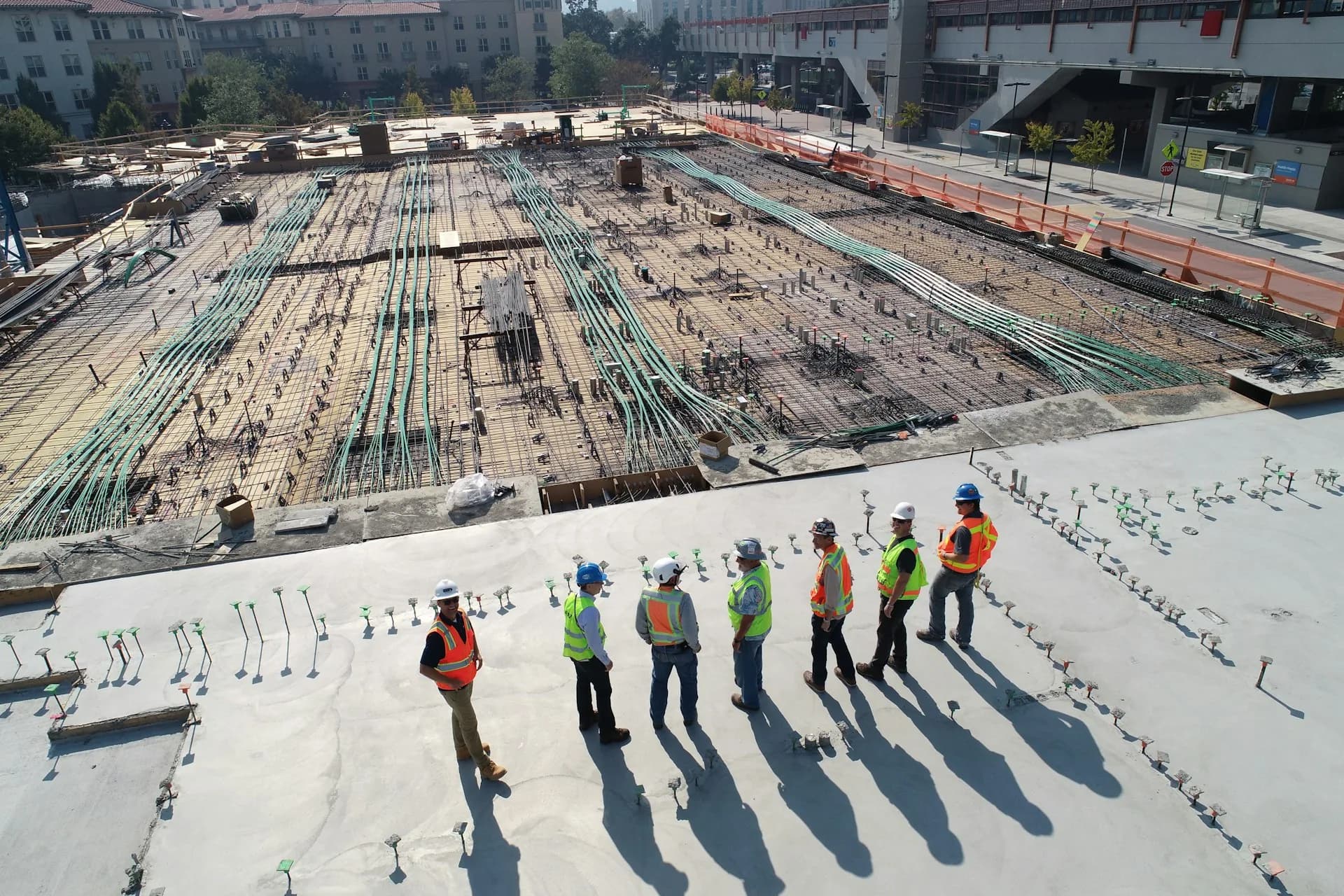
Before thinking about shots, I coordinate access with the site's health and safety coordinator. That means a hard hat, vest and certified boots at all times, basic site induction training when the site requires it, and accepting that certain areas or moments simply can't be filmed. I never negotiate on this, even if it means losing a shot I'd like to have.
The drone provides the scale you can't get from the ground
On a construction site, an aerial shot isn't an aesthetic whim: it's the only way to show the true scale of a project, its relationship to its surroundings and progress between phases if the same framing is repeated at intervals. It needs prior authorization from the developer and, depending on the area, from AESA (Spain's aviation safety agency), so I plan it weeks in advance, not the day before.
Documenting construction progress requires medium-term planning
A single shoot doesn't tell the story of a build. When the goal is to show progress, I propose visits spread across several phases, using the same camera positions whenever possible, so the contrast between one visit and the next comes through clearly in the edit.
Common mistakes
- Not coordinating access with the health and safety manager, which can bring the on-site shoot to a halt.
- Filming without the proper protective equipment, which is not only dangerous but can also get you denied access.
- Exposing cameras and lenses to dust and vibration without protection, shortening their lifespan.
- Not recording early phases that later get hidden under concrete, cladding or building services.
- Underestimating machinery noise and relying on live sound for interviews next to an active site.
- Not getting explicit authorization from the developer or contractor before publishing footage of the project.
Frequently asked questions
How much does a corporate video for a construction site or contractor cost?
For a one-day shoot with wide shots, drone footage and one or two interviews, the usual range is €1,000 to €2,800. If the project requires several visits to document different phases, the budget is quoted per session and wrapped into a combined package.
Can you fly a drone over an active construction site?
Yes, but it requires prior authorization from the developer and, in many cases, notification to or a permit from AESA depending on the area and flight altitude. Near moving cranes or power lines there are strict restrictions that must be checked before the day of the flight.
At what stage of construction should filming start?
As early as possible, if the goal is to document the whole process. Foundations and structure are phases that later get hidden, so if you want to show the complete process it's best to start from the earthworks.
Does the film crew need PPE?
Yes, always. A hard hat, high-visibility vest and certified safety boots are mandatory on any active site, and some also require basic risk prevention training before granting access.
If you run a construction company or a development firm and need to document a project's progress or showcase your technical capabilities on video, tell me about your project via /en/contacto.