Blog / Guide
Corporate video for the automotive sector: how I approach it
How I approach an automotive corporate video: product lighting, filming on the plant floor and vehicles in motion, and the mistakes I see again and again with dealerships and manufacturers.
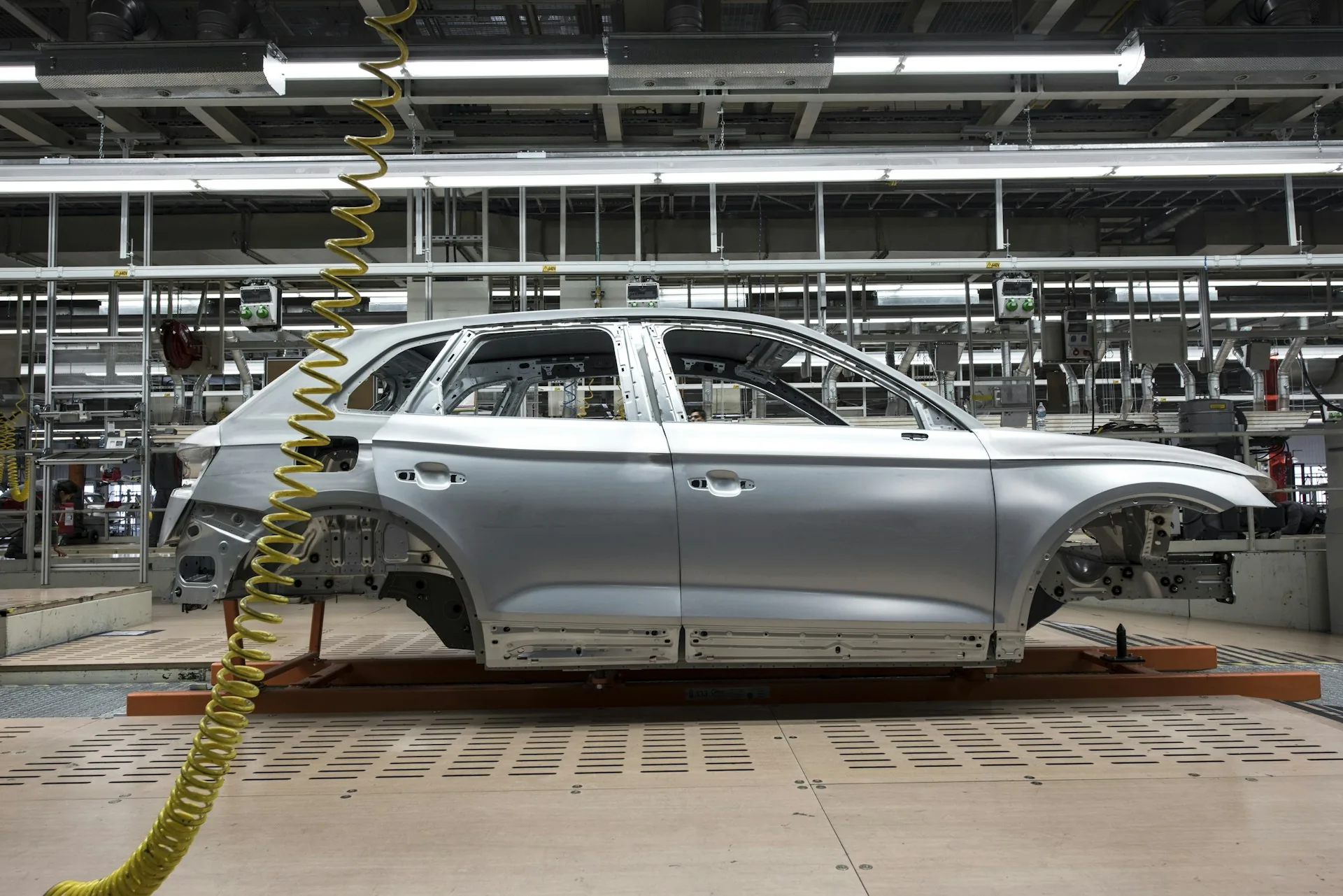
In automotive I film two very different things under the same brief: the vehicle as a product and the factory or workshop as a process. Each calls for different lighting and a different camera rhythm, and mixing them up without realizing it is the mistake I see most often in quotes that arrive already finalized.
I've filmed at dealerships, assembly plants and fleet maintenance shops, and what changes between them isn't just the size of the space: it's what needs to shine and what needs to look solid. A dealership sells desire, a plant sells technical confidence and a fleet shop sells availability. Here's how I plan the shoot based on the video's real goal.
What it is and why it matters
An automotive corporate video usually responds to three needs: selling the vehicle or service at a dealership or rental fleet, showing production capacity to a B2B client as a parts manufacturer or coachbuilder, or documenting internal quality and safety processes.
It matters because in this sector the perception of precision carries a lot of weight. A video showing bodywork with clean reflections and a tidy assembly line conveys quality control before the client reads a single production figure. A video with messy reflections or crooked framing conveys exactly the opposite, even if the real process behind it is flawless.
It also matters because much of the process can't easily be repeated. Once the vehicle is assembled, a shot of a bare component or a specific weld is no longer available without taking it apart again. If the video needs to document a particular phase, that phase has to be filmed while it exists, not whenever there's a gap in the schedule.
How to do it well
Product shots need controlled light, not lots of light
For vehicle shots I use diffused light and large panels to control reflections on the bodywork, never direct light. A single badly placed light shows up as a blotch on the hood. I'd rather move the car or the camera than move lights over such a reflective surface, and I check the framing on an external monitor to catch reflections that are easy to miss with the naked eye.
The plant floor needs order and planning, not spontaneity
On an assembly line, I coordinate the shoot with the production manager to film during periods when the line runs at a steady pace, not during start-ups or stoppages. I always ask for the required protective equipment and respect marked zones without exception, even if it means losing a shot. I also ask what can and can't be shown: some processes the company considers confidential from competitors.
Vehicles in motion are planned as a separate shoot
If the video includes shots of the car on the move, I treat that part as a separate shoot: a closed track or an authorized road, a tracking car or a drone, and radio communication with the driver. I don't improvise it on the same day I'm filming inside the factory, because the equipment, insurance and permit requirements are different.
Common mistakes
- Lighting the vehicle as if it were an interview, creating harsh reflections on the bodywork.
- Filming on the plant floor without coordinating with the production manager, interrupting the assembly line.
- Filming vehicles in motion outside a closed track or an authorized road.
- Mixing the sales tone of the product with the technical tone of the process in the same section without a clear transition.
- Leaving the plant's ambient sound to post-production instead of dealing with it during the shoot.
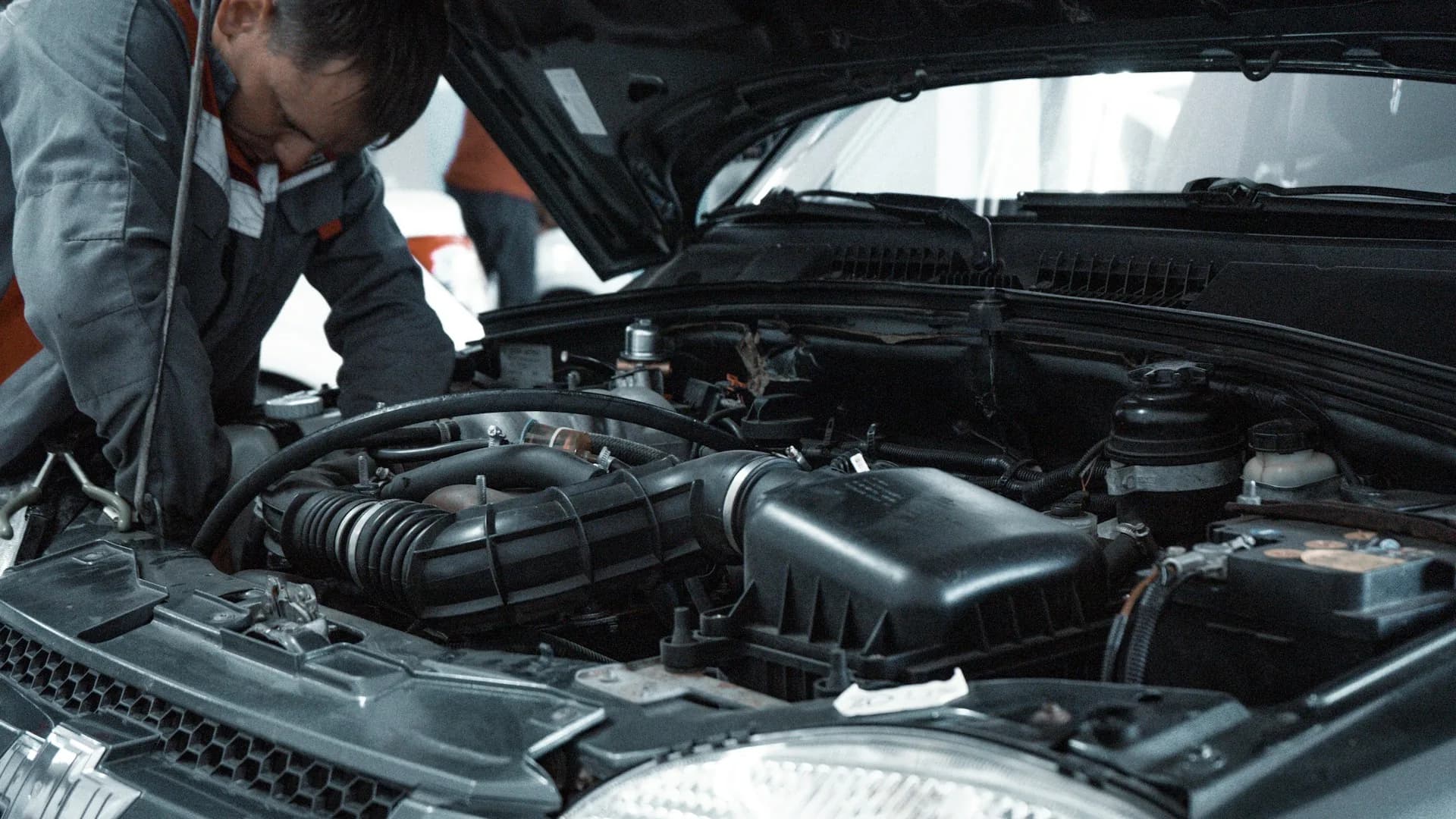
- Not protecting the gear from oil, metal shavings or metal dust in workshop areas.
Frequently asked questions
How much does an automotive corporate video cost?
For a one-day product shoot with two or three vehicles and some shots of the facilities, the usual range is €1,200 to €3,000. If you add footage of the vehicle in motion with a tracking car or drone, the budget goes up depending on the resources needed.
Can you film inside a factory or on an assembly line?
Yes, but always with prior authorization and coordination with the production and safety managers. Each plant has its own access rules, protective equipment and restricted areas, and they must be respected without exception.
What camera works best for vehicle product shots?
I work with a Sony A7 and macro or telephoto lenses to control reflections and isolate details like badges, wheels or interior finishes, without having to bring the light too close to the vehicle.
How long is a typical automotive corporate video?
Between 60 and 120 seconds for sales or product marketing, and between 3 and 5 minutes if the goal is to show production capacity to a B2B client during a bidding process.
If you need a corporate video for your dealership, your production plant or your fleet shop, get in touch via /en/contacto and we'll plan it around the video's real goal: selling a product, demonstrating technical capability or documenting a process that won't happen again.