Blog / Guide
CSR and sustainability corporate video: how I approach it
How I approach a CSR and sustainability video so it shows filmable facts instead of generic talk, and the mistakes I avoid so it doesn't come across as greenwashing.
A client called me with their sustainability report already finalized and asked for a video to go with it. When I asked what they wanted to show, the answer was vague: something about values, about commitment to the planet. That's the most common starting point for a CSR video: plenty of talk and very few concrete images to back it up.
A CSR and sustainability video isn't a standard corporate video with stock solar panels in the background. It's the piece that proves, with filmable facts, that the initiatives the company describes in its annual report really exist. That's the difference between a video that builds credibility and one that looks like cheap advertising pulled from an image bank.

What it is and why it matters
A CSR video captures a company's environmental, social and governance actions and turns them into images that can be shown to employees, investors or clients. It doesn't replace the sustainability report; it complements it. Where the report provides figures and tables, the video provides human context and shows the place where the change happens.
It matters because scrutiny has increased. A video with stock images of solar panels and forests that have nothing to do with the company's actual business is spotted a mile off, and today the reputational cost is high. Anyone working in corporate communications knows greenwashing gets detected in seconds, and a poorly conceived video can do more harm than having no video at all.
It also matters internally. More and more I see companies using these videos in hiring processes or when onboarding new employees, not just externally. A candidate who sees real actions before signing their contract arrives with different expectations from one who has only read a PDF.
How to do it well
Look for concrete facts, not statements of intent
Before setting up the gear I ask for a list of actions already carried out, not future intentions: a plant that switched energy provider, a volunteering program with real hours invested, a work-life balance policy that's genuinely applied. If the action can't be filmed or documented with concrete data, it doesn't make it into the script, however good it sounds on a slide.
Film the real processes, not generic nature
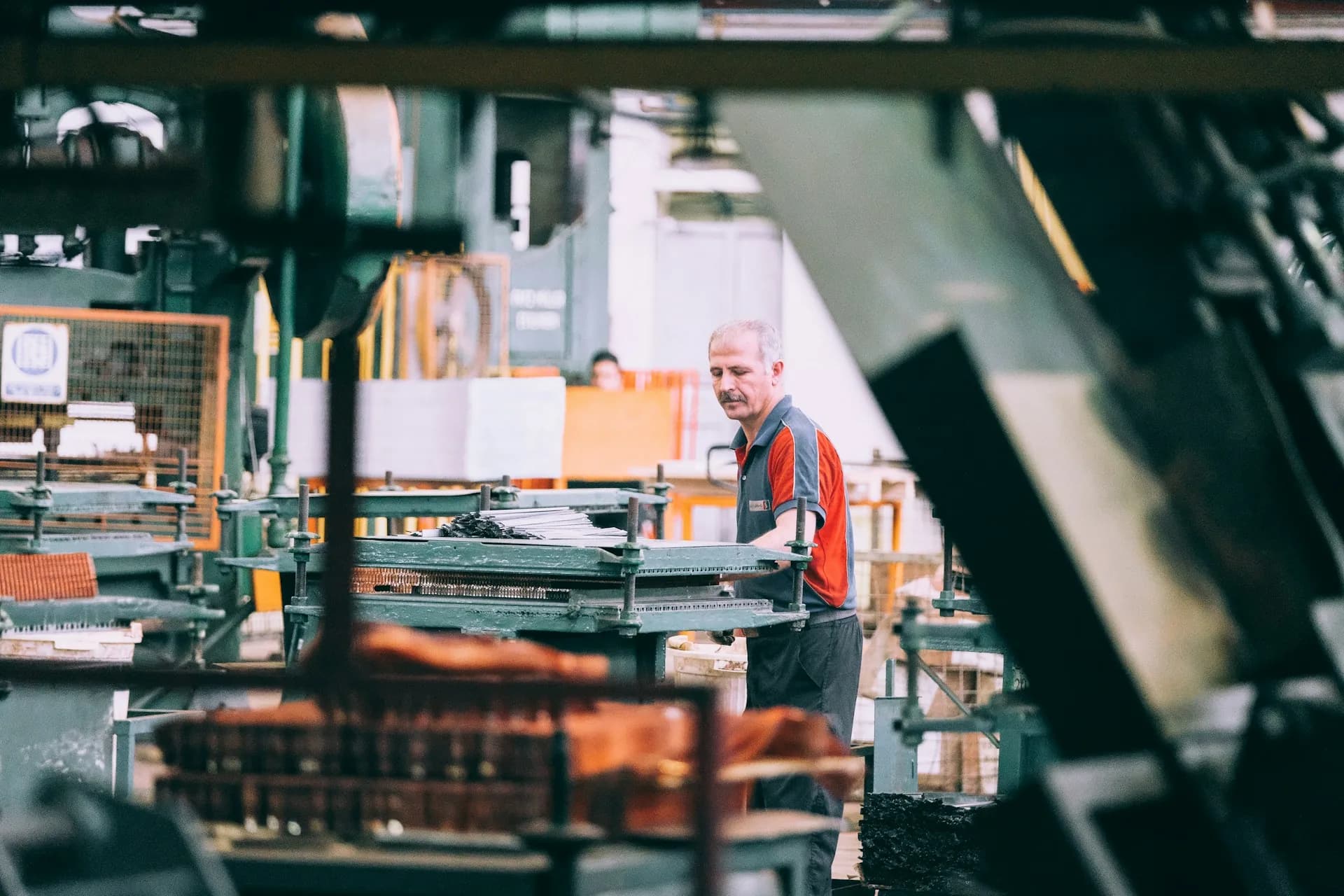
Instead of resorting to B-roll of forests or renewable energy unrelated to the company, I film the plant, office or warehouse where the real change happens: the internal recycling point, the production line with the new process, the person who runs the social program. Planning the shoot takes more effort than buying stock footage, but it's the only thing that makes the result credible.
Let the people who do the work speak, not just leadership
The official message from a sustainability director is necessary, but it isn't enough on its own. I always include testimonials from employees who drive the initiative day to day: the plant manager who handles waste, the HR person who coordinates the volunteering program, the operator who uses the new machinery. They provide the real texture that a corporate script can't manufacture from behind a desk.
Common mistakes
- Using generic stock images of renewables or nature that have nothing to do with the company's actual business.
- Building the whole video around leadership's message without showing a single concrete action underway.
- Promising impact figures that can't be backed up with verifiable data when someone asks.
- Sticking only to the environmental side and ignoring the social and governance aspects of CSR.
- Filming once a year instead of documenting initiatives over the course of the months.
- Not adapting the same footage for different audiences: employees, investors and clients expect different things.
Frequently asked questions
How long should a CSR and sustainability video be?
Two to four minutes for the full version that accompanies the annual report, with thirty-second cuts for social media, each focused on a single initiative.
Do you have to wait until the sustainability report is finalized?
No. I prefer to film the initiatives as they happen throughout the year and edit the video once the report is ready. Waiting for the report to be finalized usually leaves little time and means recreating situations that have already happened.
Can you film at several of the company's offices or plants?
Yes, and it's often necessary if the relevant initiatives are spread out. Travel needs careful planning, because each site adds a shooting day that isn't always budgeted from the start.
Does the same video work for the annual report and for social media?
The long version works for the report and for investor presentations, but for social media it's better to cut standalone pieces, each covering a single initiative, because viewing there is shorter and more fragmented.
If your company has real CSR initiatives and wants to tell their story without it sounding like filler, write to me via /en/contacto and we'll look at what's worth filming.