Blog / Guide
Teaser vs full corporate video: what's the difference and when to use each
I explain the real difference between a teaser and a full corporate video: what goal each piece serves, how I plan both on the same shoot and when it makes sense to ask for just one.
Every time I finalise the quote for a corporate video with a client, the same question comes up: do we also need a teaser? The answer is almost always yes, but not because the teaser is a corporate video in miniature. They are two pieces with different goals, different pacing and different release moments, even though they share the same shoot.
I've been delivering both formats to the same client from the same shooting day for years, and I still see the same confusion: thinking that the teaser is simply the long video cut in half. Here I explain the real difference, how I plan each piece from the technical script and when it makes sense to ask for just one of the two.
What a teaser is and what a full corporate video is
A teaser is a short piece, between 15 and 40 seconds, designed to spark curiosity before the viewer sees the main piece. It relies on eye-catching shots, fast pacing and very little text. It doesn't explain anything in detail: it hints, and leaves a question open.
The full corporate video is the piece that does answer that question. It lasts between 2 and 5 minutes, has a complete narrative structure with setup, development and close, and usually relies on testimonials, concrete data or a voice-over that guides the viewer from start to finish.
The confusion comes from both pieces coming out of the same shoot. But a teaser is not a trimmed summary of the long video. It's a piece with its own script, even if it reuses some of the footage recorded that day.
How I plan each piece on the same shoot
Separate script and shot list from the briefing
Before filming, I decide which shots are only for the teaser and which feed the full video. If I leave that decision for the edit suite, the teaser turns out weak: it ends up being leftover material from the long video, cut faster but with no personality of its own. I solve this by noting in the shooting plan which takes are meant to create immediate visual impact, with no need for context.
A different editing rhythm, not just a different length
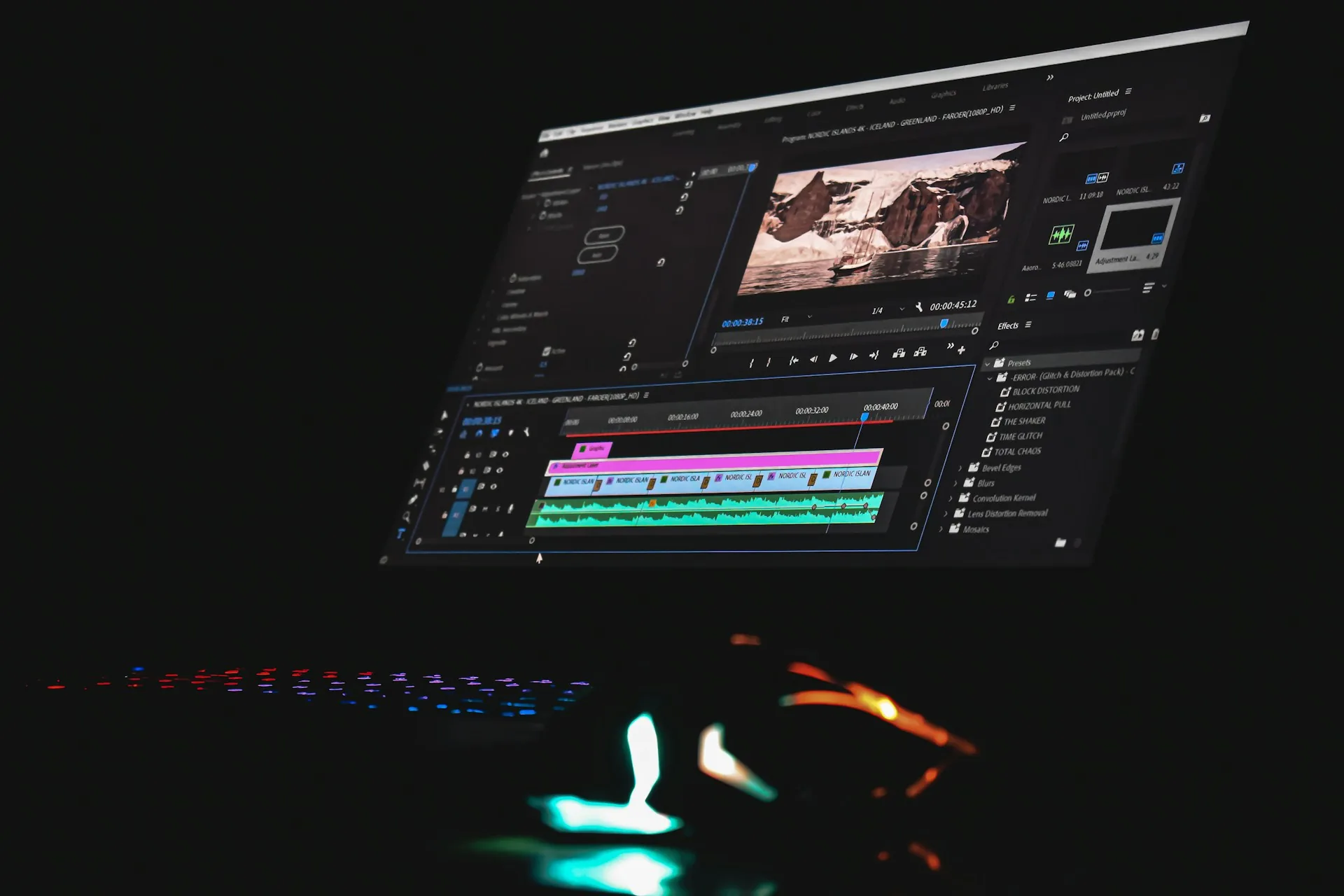
In the teaser I work with cuts of under a second, music that hits from the very first frame and zero spoken explanation. In the full video the pace slows down: I let the testimonials breathe, I control the pauses and I adjust the rhythm shot by shot in DaVinci Resolve so the narrative is easy to follow. They are two different editing logics, not the same one with fewer minutes.
A different release moment
The teaser goes out first: in the week before launch, or even on the same day as a heads-up that something new is coming. The full video is the piece that closes the campaign, the one I link from the website, from a newsletter or from the paid ad itself once some interest has been generated. Publishing both pieces on the same day usually wastes the sense of anticipation the teaser creates.
Common mistakes
- Using the teaser as a literal preview of the full video, giving away what matters and killing the curiosity it is supposed to create.
- Cutting the teaser directly from the finished long video, instead of giving it its own edit with its own rhythm.
- Publishing both pieces on the same day, losing the sense of anticipation that justifies having a teaser.
- Not making the teaser's call to action clear: if it creates curiosity but doesn't say where to see the rest, the traffic it generates is lost.
- Putting long explanatory text in the teaser, when its role is emotional and visual, not informative.
- Asking for only a teaser with no budget for the full video, expecting a 20-second piece to do the job of a five-minute one.
Frequently asked questions
Do I need to shoot twice to get a teaser and a full video?
No. Both come from the same shoot if I plan it properly from the technical script. What changes is the later edit, not the shooting day.
How long should a corporate teaser be?
Between 15 and 40 seconds tends to work well on social media. If it runs longer, it stops behaving like a teaser and starts competing directly with the full video.
Can I publish just the teaser without releasing the full video?
I can deliver it that way if the client asks, but it makes much less sense: the teaser is designed to raise a question that the full video answers. Without that second piece, the campaign is left lopsided.
Does the teaser need a voice-over?
Almost never. It works better with music, minimal on-screen text and shots with their own visual strength. Voice-over is usually kept for the full video, where there is time to develop an explanation.
If you have a launch, an event or a campaign under way and you don't know whether you need one piece or both, tell me about it via /en/contact and I'll tell you what makes sense for your specific case before we finalise the quote.