Blog / Guide
How to organize a corporate video shoot: call sheet and logistics
How I put together the call sheet, schedule and logistics for a corporate video shoot so the shoot day runs smoothly with no surprises.
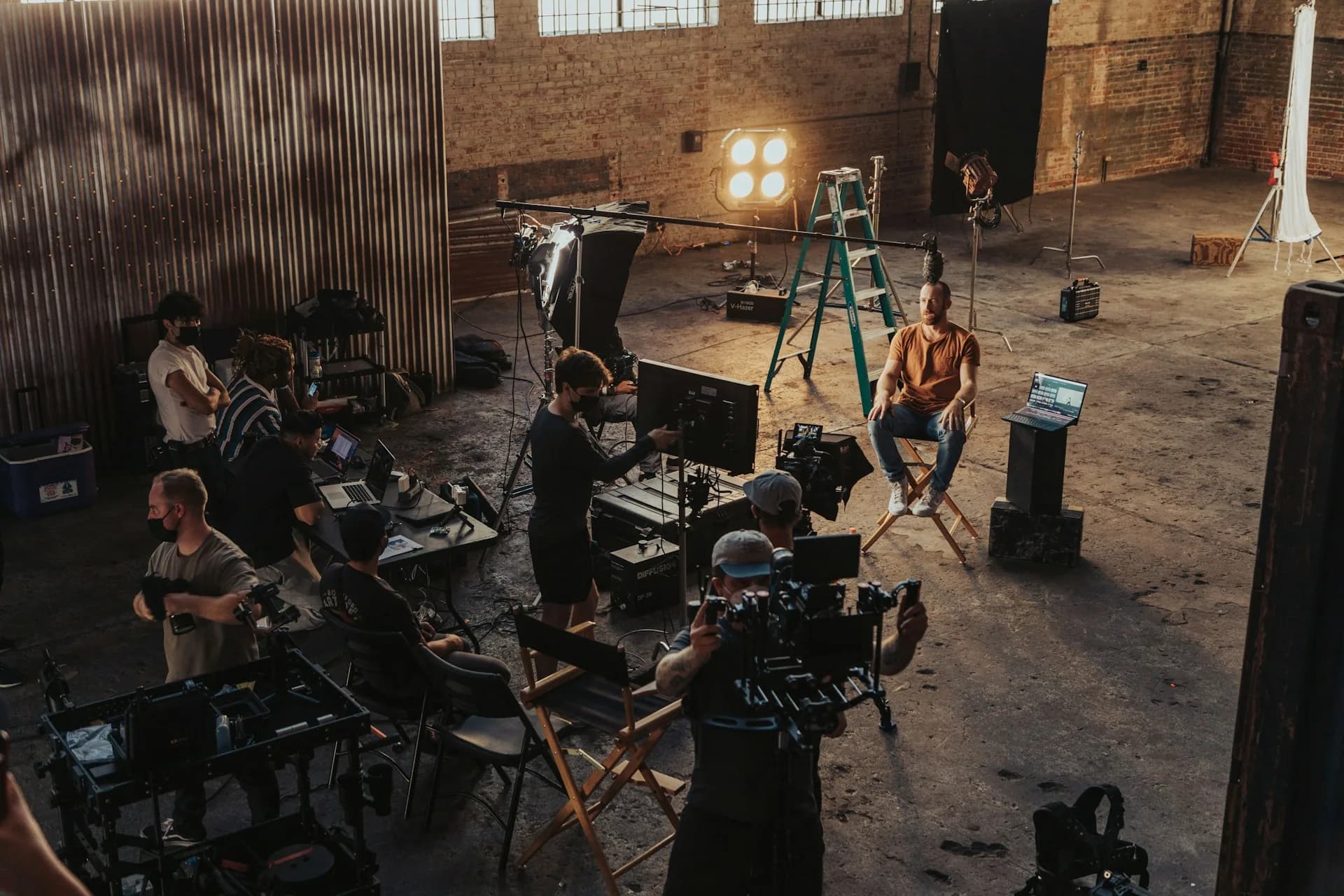
The worst shoot I've ever had didn't go wrong because of the camera or the lighting. It went wrong because nobody told reception we were arriving with a tripod and two cases of gear, and we lost forty minutes waiting for a visitor pass that didn't exist. Since then I send a call sheet to everyone, no exceptions, even if the shoot only lasts two hours.
Organizing a corporate shoot is no different from organizing any operation with a tight schedule and several people depending on each other. The difference is that there's no room to repeat the day: the CEO has half an hour free between meetings, and that half hour is all you get.
What a call sheet is and why it matters
A call sheet is a one-page document that sums up everything happening on shoot day: call time, exact address, who is in each block, what gets filmed in each slot and emergency contacts. I send it by email and repeat it on WhatsApp the night before, because emails get lost among a hundred others.
It matters because it removes ambiguity. If someone asks what time the interview with the CFO starts, the answer is in the document, not in my memory or in a stray message from three weeks ago. The more people depend on the shoot, the more you notice when there isn't one.
It also works as a way to manage expectations with the client. If the call sheet says we're shooting from 9:00 to 13:00 and need a closed room with no background noise, that requirement is in writing before the day, not negotiated in the hallway with the camera already set up.
How to do it well
Lock the call sheet 48 hours in advance
I start the call sheet as soon as the schedules of the people appearing on camera are confirmed, usually three to five days before the shoot. I lock it 48 hours beforehand at the latest, because I need that margin to sort out loose ends: a missing access permit, a room that needs booking, building security that has to be notified.
Define roles and schedule in blocks
I split the day into thirty- or sixty-minute blocks and assign each one to a person or a type of shot: interview with management, wide shots of the office, b-roll of the team at work. That way, if a block runs late, I know exactly how much time I can take from the next one without the whole day falling apart.
Prepare a plan B for the unexpected
I always build in a buffer: if the shoot is meant to wrap at 14:00, I let the client know it could run until 14:30. I also have a backup shot ready to film if someone cancels their block at the last minute, so we don't go home empty-handed. A shoot with no buffer is a shoot that depends on everything going perfectly, and that almost never happens.
Common mistakes
- Not confirming building access: visitor passes, parking or security rules nobody mentioned beforehand.
- Cramming too many blocks into too little time with no buffer for the unexpected.
- Not telling the people appearing on camera how long their part will actually take.
- Forgetting about ambient sound: a room with noisy air conditioning or next to a busy hallway ruins the audio.
- Relying on a single power outlet or the client's wifi with no backup of your own.
Frequently asked questions
How far in advance should the call sheet be sent?
Ideally 48 hours before the shoot. That gives time to sort out access, permits or last-minute changes without the pressure of the day itself.
What information must a call sheet include?
Exact address with a meeting point, crew call time, block-by-block schedule, the name and phone number of the on-site contact, and any access or visitor-pass requirements.
How much time should you set aside for a half-day corporate shoot?
For a shoot with four hours of actual filming I usually block out five, with half an hour at the start to set up gear and another half hour at the end in case a block runs over.
What do I do if someone key cancels their part on the day of the shoot?
Having a backup shot ready (b-roll of the office, the product or the team at work) lets you make good use of the time without having to reschedule the whole shoot for another day.
If you have a corporate shoot coming up and don't know where to start organizing it, send me the details and I'll help you build the call sheet. Get in touch via /en/contacto.