Blog / Guide
Corporate behind-the-scenes video: what it is and when to film one
What a corporate behind-the-scenes video is, when it adds real value beyond the main video and how I plan it from the brief so the shooting effort isn't duplicated.
When a client asks me for a behind-the-scenes video, half the time what they picture is a video that comes free with the main shoot. Someone films on their phone while I work and then something gets cut together from whatever there is. That kind of making-of almost never gets used: it sits in a Drive folder and nobody watches it.
The making-of that does work is the one decided before arriving on set, with a clear goal and a format designed for where it will be published. Here's when it makes sense to add one to a project and when I'd rather tell the client they don't need it.
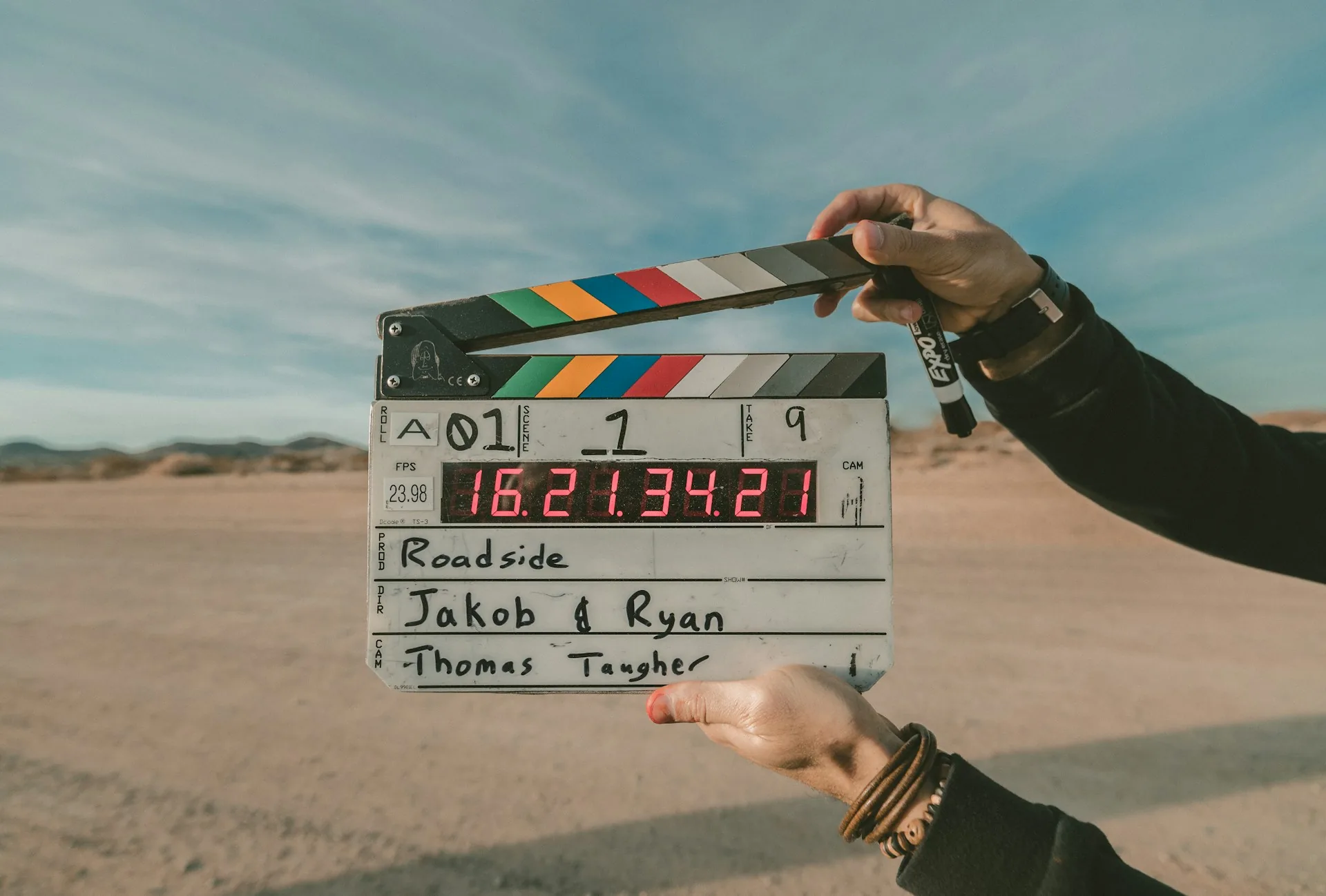
What it is and why it matters
A corporate behind-the-scenes video is a piece that shows how the main video was made: the crew at work, the scene being set up, moments from the shoot that don't make the final cut. It isn't the main video with a different filter; it's separate content with a different goal.
It matters because it humanizes the brand in a way a polished corporate video can't. A potential client watches the final video and assumes everything went perfectly on the first try. The making-of shows the lighting setup, the director giving notes, the speaker repeating a line for the third time. That builds closeness, and it works very well on internal channels or LinkedIn when the company wants to show its work culture.
But it only adds value if it has a clear place to live: a company LinkedIn post, a video for HR's internal channels, employer branding content. If there's no channel planned for it, it never gets published and all the extra filming time is wasted.
How to do it well
Assign a second camera just for the making-of
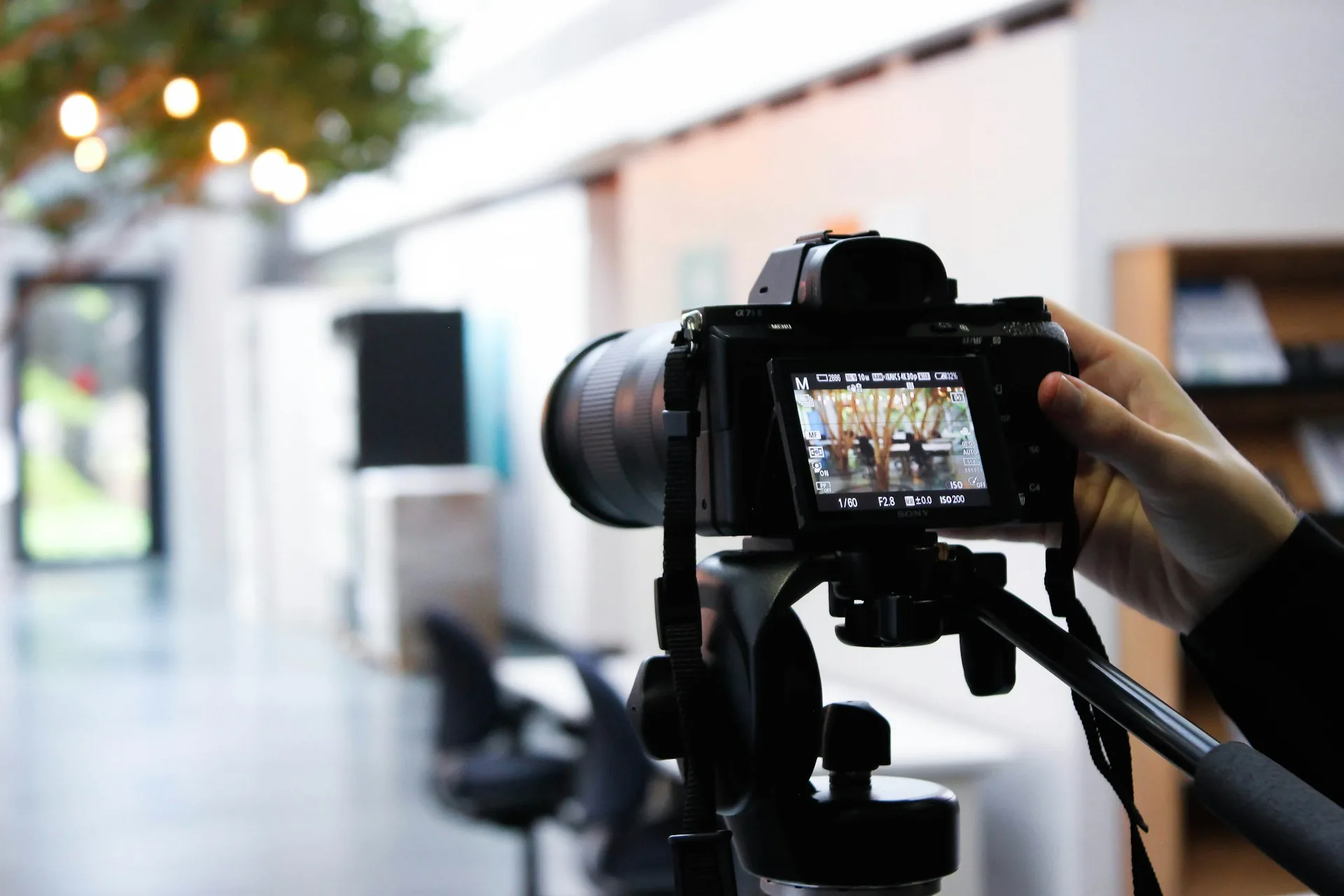
I don't try to get the making-of with the same camera I use for the main video between takes. I bring a second camera, usually a compact or a well-stabilized phone, and someone on the crew dedicates themselves exclusively to capturing the process without getting in the way of the actual shoot.
Film the process, not just random bloopers
A making-of made of random shots of people moving cables tells no story. I look for moments with a narrative: setting up the lighting before the speaker arrives, the director's instructions before a take, the crew's reaction when it goes well. Four or five specific moments, not an hour of unstructured footage.
Edit it as a standalone piece, not as leftovers
The making-of has its own edit, its own music and its own length, almost always between 60 and 90 seconds for social media. It isn't an outtake from the main video with a 'behind the scenes' title slapped on top. If I don't give it dedicated editing time, it shows and it doesn't get published.
When it makes sense
- When the company has an active employer branding or internal culture channel to publish it on.
- When the main shoot is a large production, with a set, lighting or a striking location worth showing.
- When the goal is to strengthen the brand of the team or studio, not just the client's video.
- When there's budget and time for a dedicated second camera without taking resources from the main shoot.
- When it does NOT make sense: if it's a short half-day shoot with no spare time, or if nobody on the client's team is going to publish it anywhere.
Frequently asked questions
Does a making-of add time to the shoot?
It shouldn't, if it's well planned. The second camera films in parallel without stopping the main shoot. What it does add is separate editing time, usually between 2 and 4 hours for a 60-90 second piece.
Do I need an extra camera operator or can someone on the team film it?
With small crews, I usually ask the production person or the assistant to spend spare moments filming on their phone. On large shoots I do prefer a dedicated second operator, because it makes a big difference to the making-of's narrative.
Is the making-of published before or after the main video?
Almost always after, as complementary content that expands the story once the main video is already out there. Publishing it beforehand only makes sense if it's used as a teaser to build anticipation.
Is it worth it for a small shoot with a single interview?
Rarely. In a session of a couple of hours with one person in front of the camera, there isn't enough visual process to show. A making-of pays off on productions with more going on: sets, multiple locations, a large crew.
If your next production is substantial enough to justify a making-of, tell me about the project and we'll plan it together from the brief so it isn't a last-minute add-on. Get in touch via /en/contacto.