Blog / Guide
Documentary vs advertising video for companies: which format to choose
The real differences between shooting in documentary format and in advertising format for a company: how planning, shooting and editing change depending on the goal of the video.
When a company contacts me about a corporate video, the first question I ask isn't about budget or delivery date. It's about format: documentary or advertising? They are two different languages for telling the same story, and confusing them is one of the reasons many corporate videos don't do their job.
It's not a question of visual style. Each format answers a different communication goal, is planned differently and is shot differently. Choosing the wrong one doesn't ruin the video, but it leaves it stuck halfway: it neither convinces as an advertising piece nor hooks as a documentary story.
What each format is and why it matters
Advertising video starts from a closed script. I know exactly which shots I need, what each person says and in what order everything goes before switching the camera on. It's the format that dominates in product videos, brand videos and sales pieces: clear message, high pace, call to action at the end.
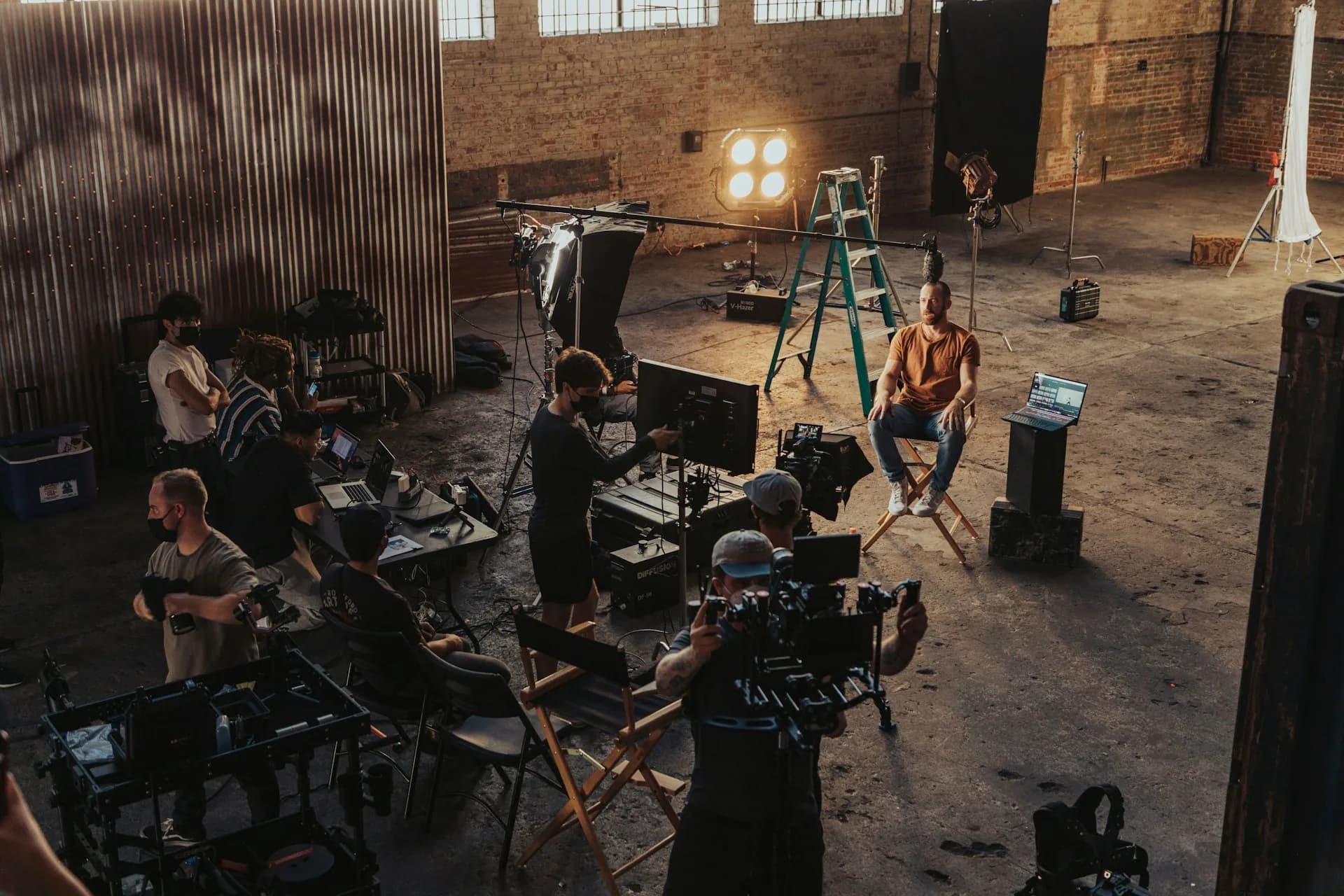
Documentary video starts from a real situation and lets the camera observe it. There is no word-for-word script, there is a narrative structure that is built on the shoot and finalised in the edit. It's the format that works when the content is the process itself: how a team works, how a product is made, how a client experiences the service.
The difference matters because it determines the rest of the decisions: budget, shooting days, crew needed and even the tone of the voice-over. Deciding it before the shoot, not in the edit, is what separates a video with clear direction from one that gets patched up in post-production.
How to do it well
Documentary video: observational camera
Here the work happens on the shoot, not in the script beforehand. I almost always shoot with two cameras, so as not to miss reactions that won't happen again, and I leave plenty of time: a documentary shooting day needs room for people to forget about the camera. The result is built afterwards, in the edit, looking for the narrative thread among hours of footage. There are no rehearsed lines and no identical second takes; you have to capture what happens once.
Advertising video: closed script
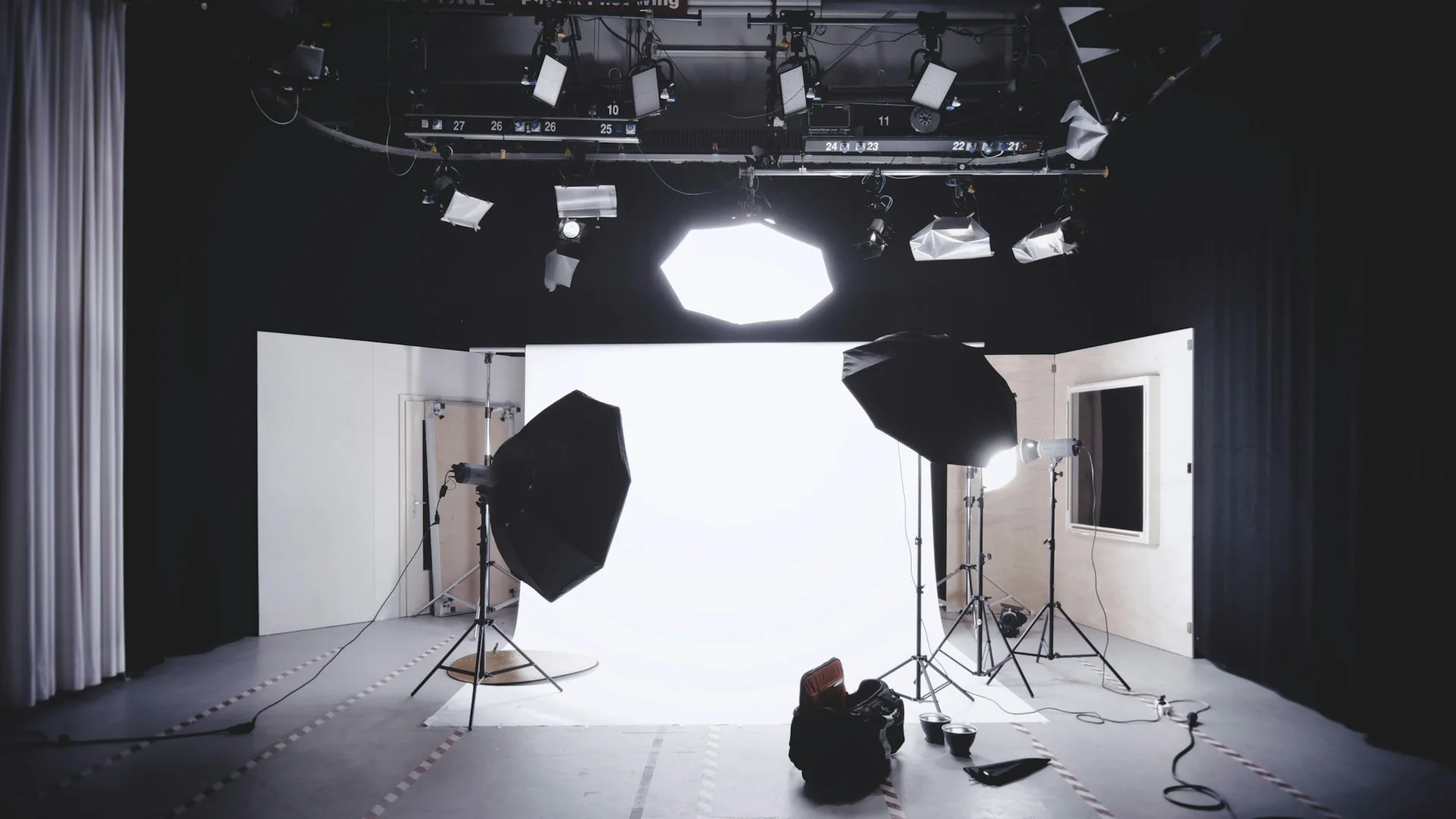
Here I control every shot before shooting: storyboard, technical script, planned lighting, confirmed locations. The shoot is usually shorter because I don't depend on something happening spontaneously, but on executing what has already been decided. That allows fewer days and more precision: 4 to 6 hours of well-planned shooting are enough for a 60-90 second advertising video with room to spare.
The hybrid: when to mix both languages
Most of the corporate videos I deliver are not purely one or the other. I shoot interviews with a documentary structure (open questions, real answers, no closed script) and combine them with B-roll shot with advertising precision: product, office, team at work. The final edit uses advertising pace to hold attention and documentary content to give credibility. It's the balance that works best in institutional and employer brand videos.
Common mistakes
- Writing a closed script for an interview and asking the person to "act" their own answer: it shows, and it costs credibility.
- Shooting in documentary format without enough time: two hours isn't enough for the camera to stop being intimidating.
- Using advertising music and editing pace over documentary content: the result feels forced, like an ad disguised as a testimonial.
- Not defining the format before closing the budget: a documentary needs more shooting days but less pre-production; an advertising video is the other way round.
- Mixing the two formats without a clear common thread: the viewer notices the change of tone and switches off.
Frequently asked questions
Which is cheaper, a documentary or an advertising video?
It depends on where the cost is concentrated. Advertising usually needs fewer shooting days but more pre-production (script, storyboard, casting if needed). Documentary needs less pre-production but more hours of camera recording. In total the cost tends to end up similar; what changes is which phase the budget goes into.
Can I ask for a documentary video if I don't have a real process to film?
Not really. A documentary needs something real to observe: a work process, a day, a genuine conversation. If there is none, what you need is a well-written advertising video, not a forced documentary.
Which format works best for LinkedIn?
The hybrid usually performs best: interviews with a documentary structure, edited at an advertising pace and with subtitles, because on LinkedIn video competes for attention in the first three seconds.
Does a documentary video need a script?
It needs structure, not a literal script. Before shooting I define which questions I'll ask and which moments I want to capture, but I don't write the answers. The script is finished in the edit, with the real material that has been recorded.
If you're not sure which format suits your company, it's the first conversation I have with any client before talking about budget or dates. Write to me via /en/contact and we'll look at it together.