Blog / Guide
Videographer or corporate filmmaker: what's the difference?
Videographer and corporate filmmaker are used as synonyms, but they don't cover the same ground. I explain how the approach, the process and the deliverables differ.
When a company is looking for someone to film a video, it almost always uses the words videographer and corporate filmmaker as if they meant the same thing. In practice they describe two different approaches to the same craft, and mixing them up leads to expectations that don't match the result.
It isn't a difference in prestige or in price as such. It's a difference in what you get delivered and how much narrative judgment goes into the final video. Here's how I tell them apart, having worked on both sides.
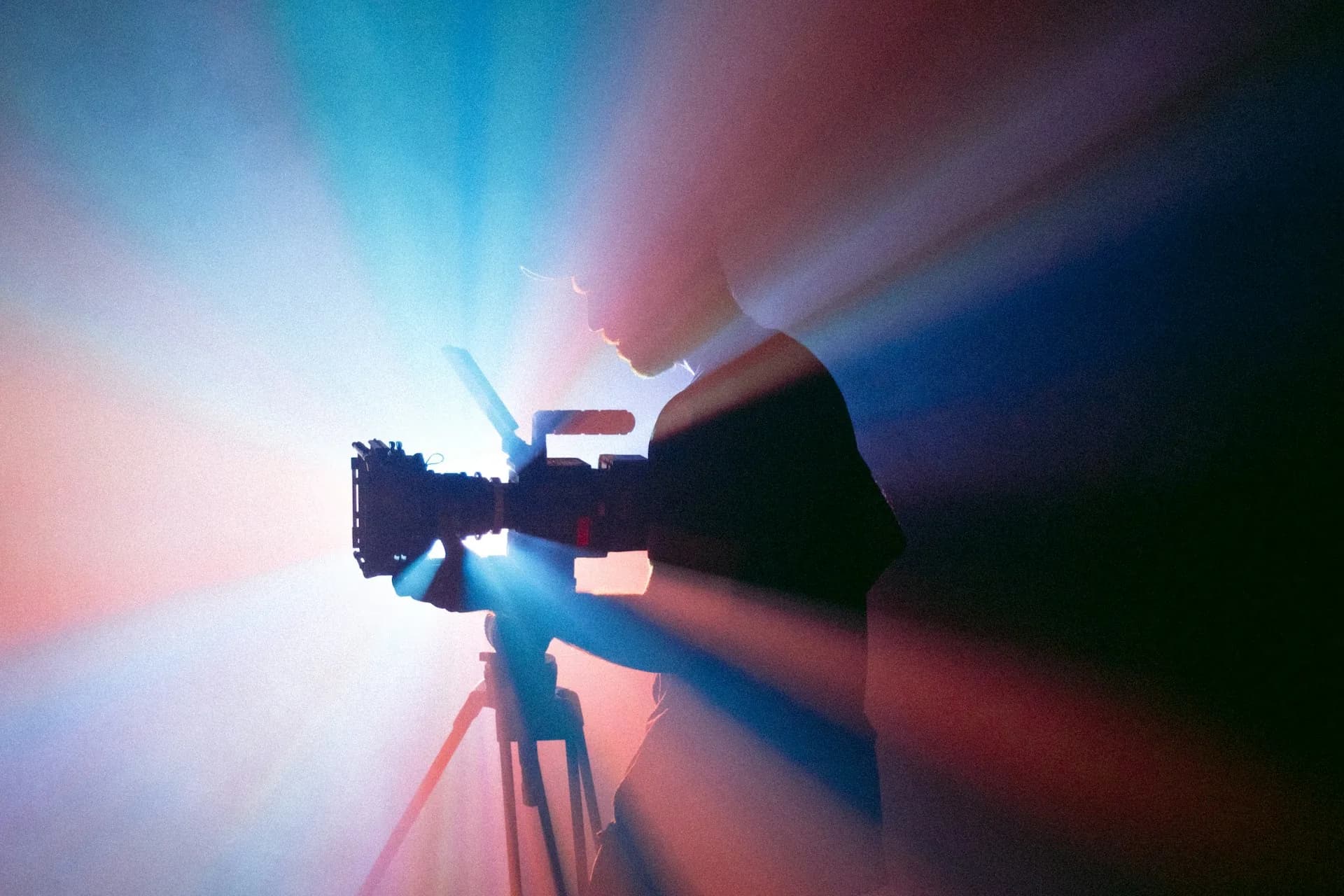
What each role is and why it matters to tell them apart
A videographer covers an event or a shoot following a set script or brief: they film what happens, with solid camera and sound technique, and deliver the edited footage without straying far from what was agreed. It's the right choice for covering a day, an event or a one-off interview.
A corporate filmmaker comes in earlier, at the concept stage. They propose how to tell the company's story, which shots will carry that story and what gets left out even if it looks good. The work doesn't end when you hit record: that's where it starts.
Telling them apart matters because it changes what you can ask for. If you hire a videographer expecting full creative direction, you'll come up short. If you hire a filmmaker just to cover a three-hour event with no room for decisions, you're overpaying for something you won't use.
Where the difference shows in practice
The initial brief
With a videographer, the brief is usually a list of shots and moments to cover. With a filmmaker, the first conversation is about the message: what the company wants to communicate, who it's speaking to and what reaction it's looking for. The shooting plan comes out of that, not the other way around.
Shoot day
The videographer works through the shot list efficiently and with a good technical eye. The filmmaker improvises within a framework: if a better moment than planned comes up, they go after it, even if that means rearranging the day's schedule. That flexibility only works if there's a clear narrative vision behind it.
The final deliverable
A videographer delivers a solid edit that's faithful to what was filmed. A corporate filmmaker delivers a piece with narrative structure — opening, tension, resolution — even if the subject is as undramatic as a manufacturing process. I use DaVinci Resolve in both cases, but a filmmaker's edit usually takes longer because there are more pacing decisions to make.
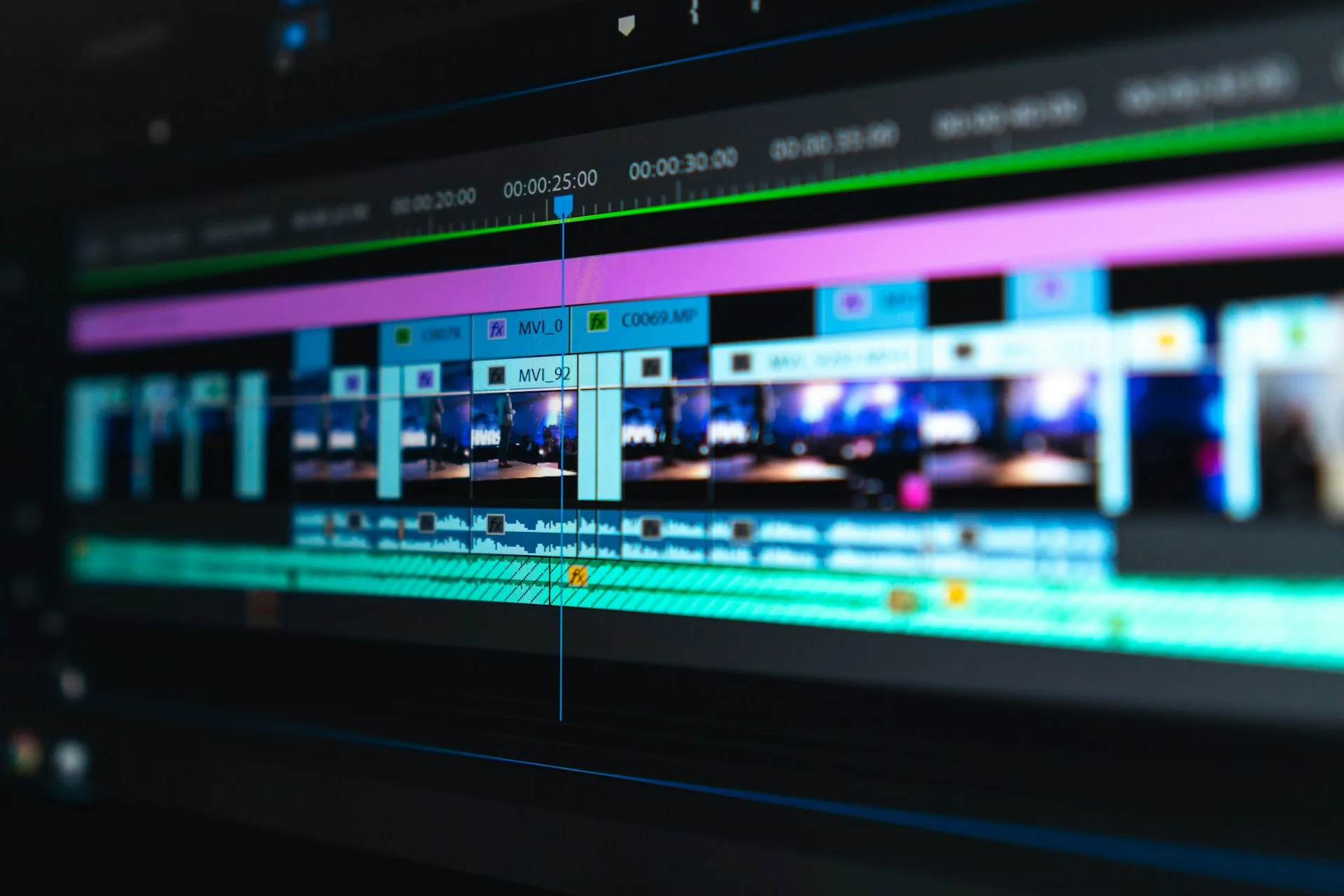
On real projects, this difference shows up mainly in the time budget. Covering an event with a videographer can be done in one shooting day and two or three days of editing. A brand video with a corporate filmmaker usually involves a week of pre-production, one or two shooting days and five to eight days of editing, because the script goes through several revisions before it's locked.
When each one makes sense
- A one-off event, conference or trade show with no need for a brand narrative: a videographer is enough and more affordable.
- A corporate, brand or investor video: this is where a filmmaker's narrative judgment makes the difference.
- A short interview for social media without much production: a videographer with a good eye covers the need.
- A content series with a common thread over several months: better a filmmaker who keeps the tone consistent.
- A tight budget and a purely documentary goal: don't pay for creative direction you won't use.
- A video that will represent the company for years on its website or in sales: invest in the filmmaker approach.
Frequently asked questions
Can a corporate filmmaker also cover an event?
Yes — in fact, many filmmakers, myself included, cover events. The difference lies in how the job is framed: if, as well as coverage, you want a narrative piece with its own storyline, the filmmaker approach comes into play even if the starting point is a one-off event.
Does it cost more to hire a filmmaker than a videographer?
Usually, yes, because it includes pre-production time and a more elaborate edit. The price difference generally reflects real hours of additional work, not just personal branding.
How do I know what I need before asking for a quote?
Ask yourself whether the video needs to tell something or just show something. If you need to get across an idea or a brand value, you're looking for a filmmaker. If you need a faithful record of a moment, a videographer covers the need.
Can I start with a videographer and move up to a filmmaker later?
Yes, that's common. Many companies start by covering events and, when they need a more elaborate brand video, they change approach. What matters is that the provider is transparent about what kind of work they're delivering on each job.
If you're not sure what you need for your next video, write to me via /en/contacto and I'll help you decide before you ask for a quote.