Blog / Guide
How many cameras do you need to film a corporate interview?
A practical guide to how many cameras to use for a corporate interview: when one is enough, when a second camera transforms the edit and which mistakes to avoid.
It's the question I get almost every time before quoting for an interview: how many cameras are you bringing? As if the number decided everything.
It depends. It depends on what the interview is for, how much time there is for editing and what the client expects from the final result.
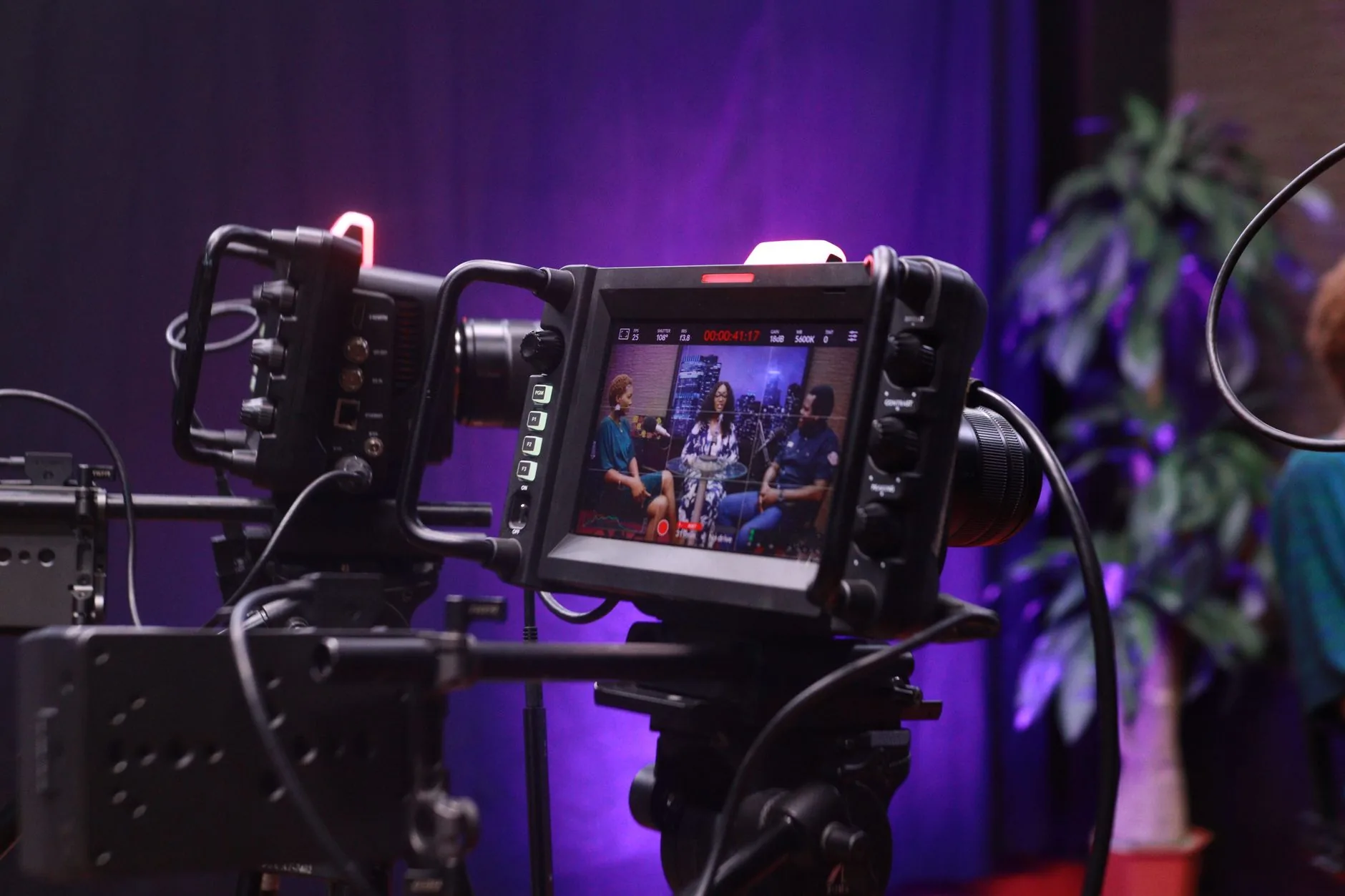
The short answer: one camera is enough, two are better
With one well-placed camera you can film an interview that works. The key is the shot you choose, the lighting and how you direct the interviewee. Editing single-camera footage forces you to cut at pauses or use B-roll to cover the jump cuts. That's perfectly valid and, in many cases, exactly what the format calls for.
With two cameras you have real editing options. You can cut between a medium shot and a close-up without breaking the flow of speech. The result is more dynamic and the edit becomes more flexible. If the interview lasts 45 minutes and you need to get 3 minutes of final piece out of it, the second camera isn't a luxury: it's what lets you edit with judgment instead of just with whatever you have.
There are cases where the second camera isn't needed. If the edit is going to be voiceover over cutaway footage and the interviewee only appears occasionally, it isn't worth it. If the format is a single 30-second question for social media, it isn't either.
How to get the most out of each setup
Single-camera shoot
The usual shot is a medium or medium close-up, slightly off-center in the frame, with the interviewee looking toward the interviewer off camera. The editing challenge is that every cut in the speech is exposed: if the interviewee repeats themselves or hesitates, you have to cover that cut with B-roll. It works well if you already have cutaway footage ready or if the delivery is fluent and the pauses are natural.
Two-camera shoot
The most common setup is camera A on a medium or medium close-up and camera B on a tighter shot or a supporting angle. Both have to be on the same side of the imaginary axis so the interviewee always looks in the same direction in both shots. The edit becomes much smoother: you can cut at any point in the speech without having to cover anything. In production terms, a second camera adds 20 to 40 minutes of setup and needs attention during filming, even if it's passive.
What about three cameras?
For standard interviews it rarely makes sense. I use it for panels or discussions with several speakers, where a third camera covers the wide shot or lets you switch between speakers without a visible cut. For a single-person interview, three cameras are almost always overkill.
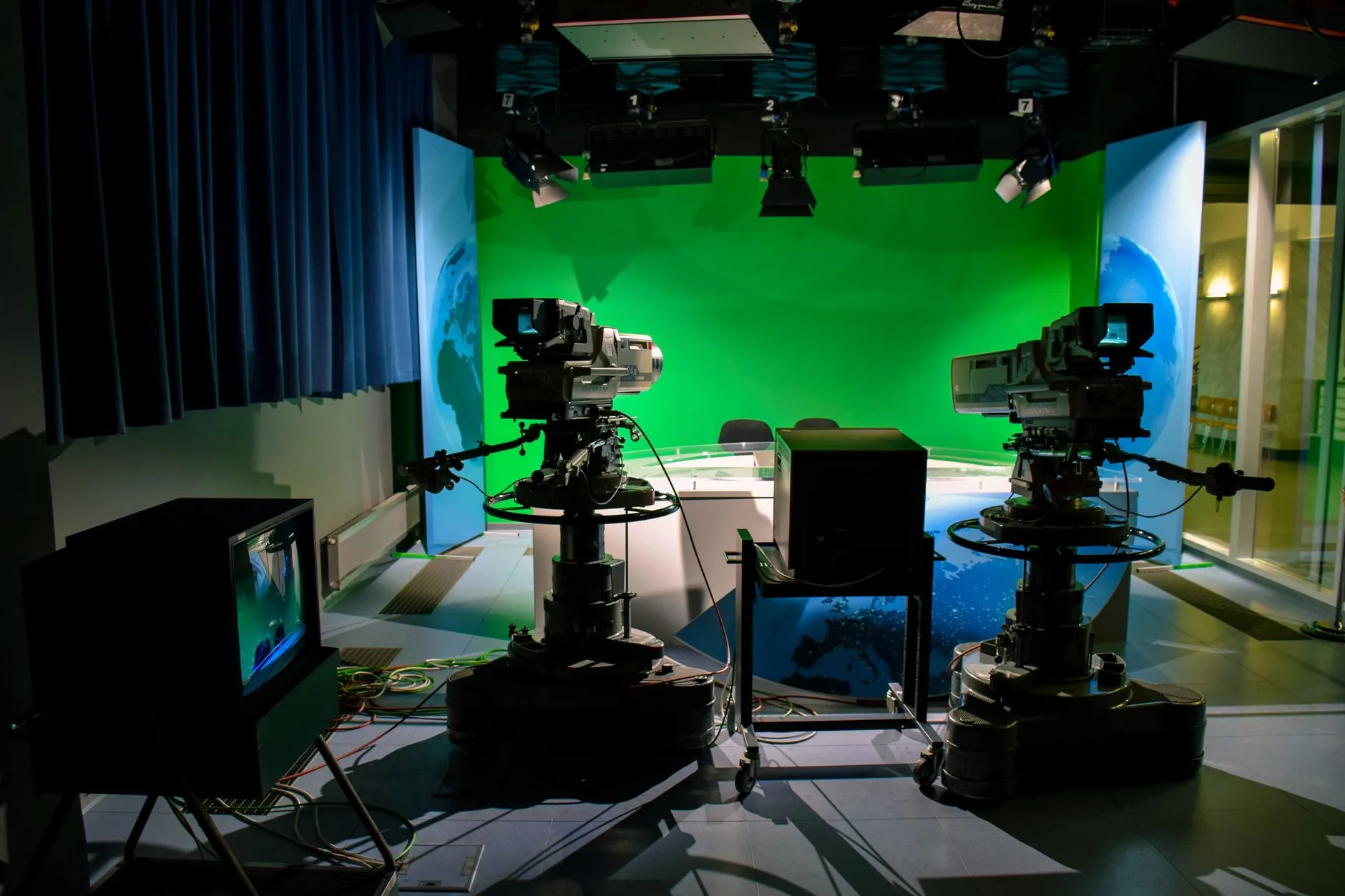
Common mistakes when adding a second camera
- Crossing the line: the two cameras shoot from opposite sides and in the edit the interviewee appears to look in two different directions.
- Matching the shots: if A and B have the same angle and focal length, there's no reason to cut between them. The shots have to differ for the cut to add something.
- Not coordinating exposure: if there's a window in the scene and the light changes, the two shots won't match in the edit.
- Moving the second camera aimlessly during filming: that footage gets thrown away in the edit.
- Rolling without reference audio: without an audio signal, syncing manually in DaVinci Resolve or Premiere wastes time.
Frequently asked questions
Should I tell the interviewee there are two cameras?
Yes, always. Even though it doesn't change how the person being filmed behaves, it's a matter of transparency and of them knowing where to look at any given moment.
What's the cost difference between one and two cameras?
It depends on the project. A second camera can mean a second operator or simply a locked-off camera in a secondary position. In the second case, the extra cost is minimal compared with what it adds to the edit.
Which camera goes in position A and which in B?
The camera with the best lens or highest resolution usually goes in position A, the main shot. B can be the same model range with a different focal length or a secondary camera dedicated to the supporting shot.
Can you film a two-camera interview without the interviewer in shot?
Yes. The second camera can capture a different supporting shot without including the interviewer. That's the norm for corporate interviews where only the company's spokesperson appears.
If you're planning a corporate interview and want to know which setup makes sense for you, you can write to me through the contact page. Based on how the video will be used and the production time available, I'll tell you what's worth it and what isn't.