Blog / Guide
Corporate video for startups: what to film first and how much to invest
Which corporate video a startup needs at each stage: product demo, team video and pitch. How to prioritise on a small budget, explained by a Madrid filmmaker.
When a startup writes to me asking for a corporate video, it usually has a half-finished product, a team of six and a tight budget. And still it's thinking of the classic company video: drone shots, CEO interviews and epic music.
That's almost never what's needed. A startup needs small pieces, each working towards a specific goal. This is how I approach it.
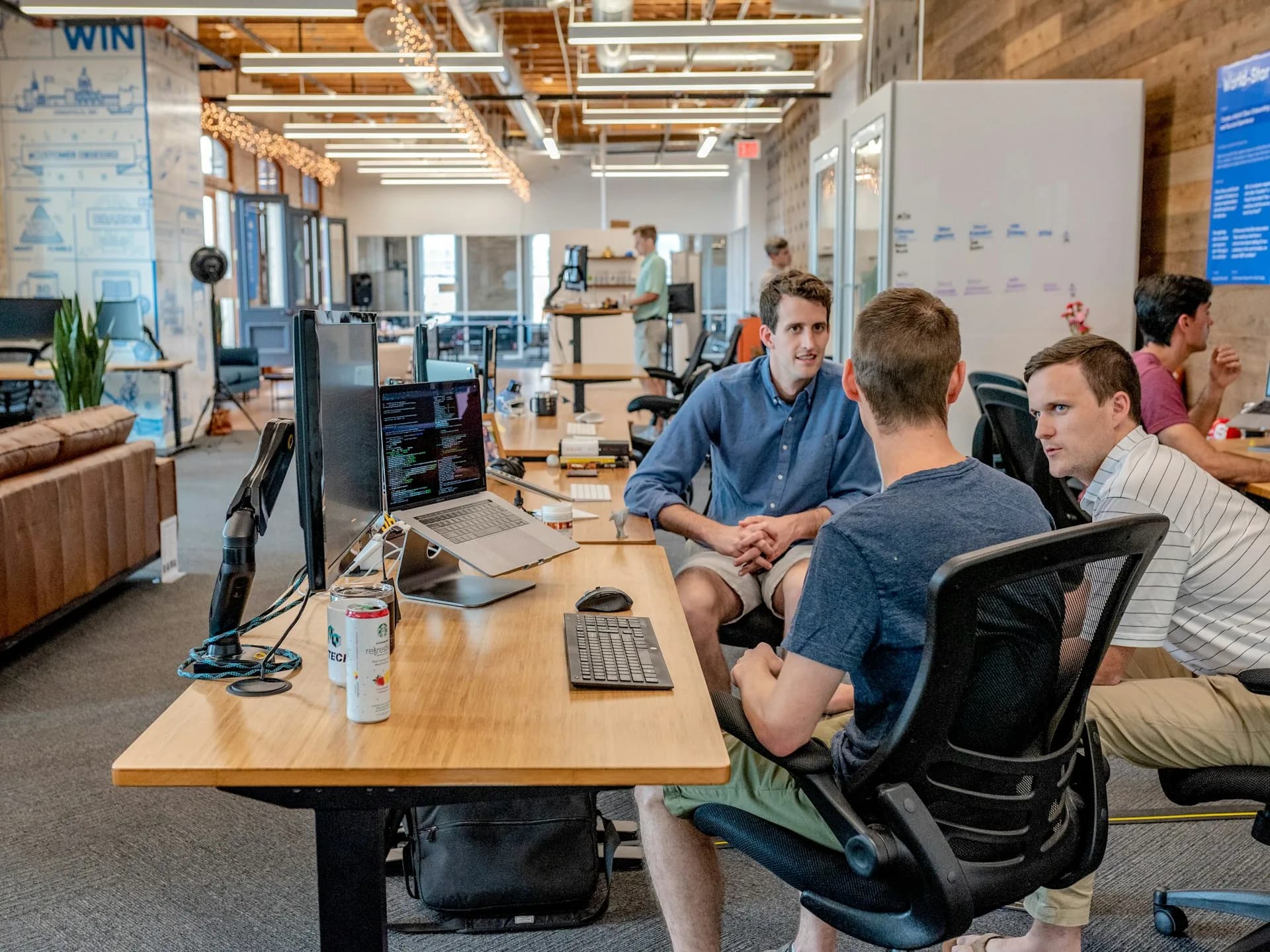
Why a startup doesn't need the same as a big company
An established company films to reinforce an image that already exists. A startup films to explain something that almost nobody knows yet. That difference changes the video completely: less brand image, more clarity about what you do and who for.
Also, the product changes. If you invest in a four-minute video showing an interface you'll redesign in three months, the video expires before it pays for itself. That's why I prefer short pieces that are easy to redo.
And the team's time is limited. Nobody has a free morning for an eight-hour shoot. A good shooting plan for a startup fits in half a day.
What I film first and in what order
1. A video that explains the product in 60-90 seconds
This is the piece that gets used the most: on the website, in emails to clients, in the investor presentation. It has to answer three things: what problem you solve, how and for whom. If the screen recording is the main element, I combine it with a shot of the founder presenting it, so there is a face behind it.
2. A team and founders video
In a startup, people invest in the team before the product, and investors and candidates know it. A short interview with each founder, with two or three simple questions, says more than any slogan. With one camera, a lavalier microphone and a soft light, it's done in a morning.
3. Short pieces for social media and for the pitch
From the same shoot I pull 20-30 second vertical cuts for LinkedIn and Instagram and a clip to open the pitch deck. Planning it from the start costs almost nothing. Trying to get it afterwards from a shoot designed only for horizontal does.
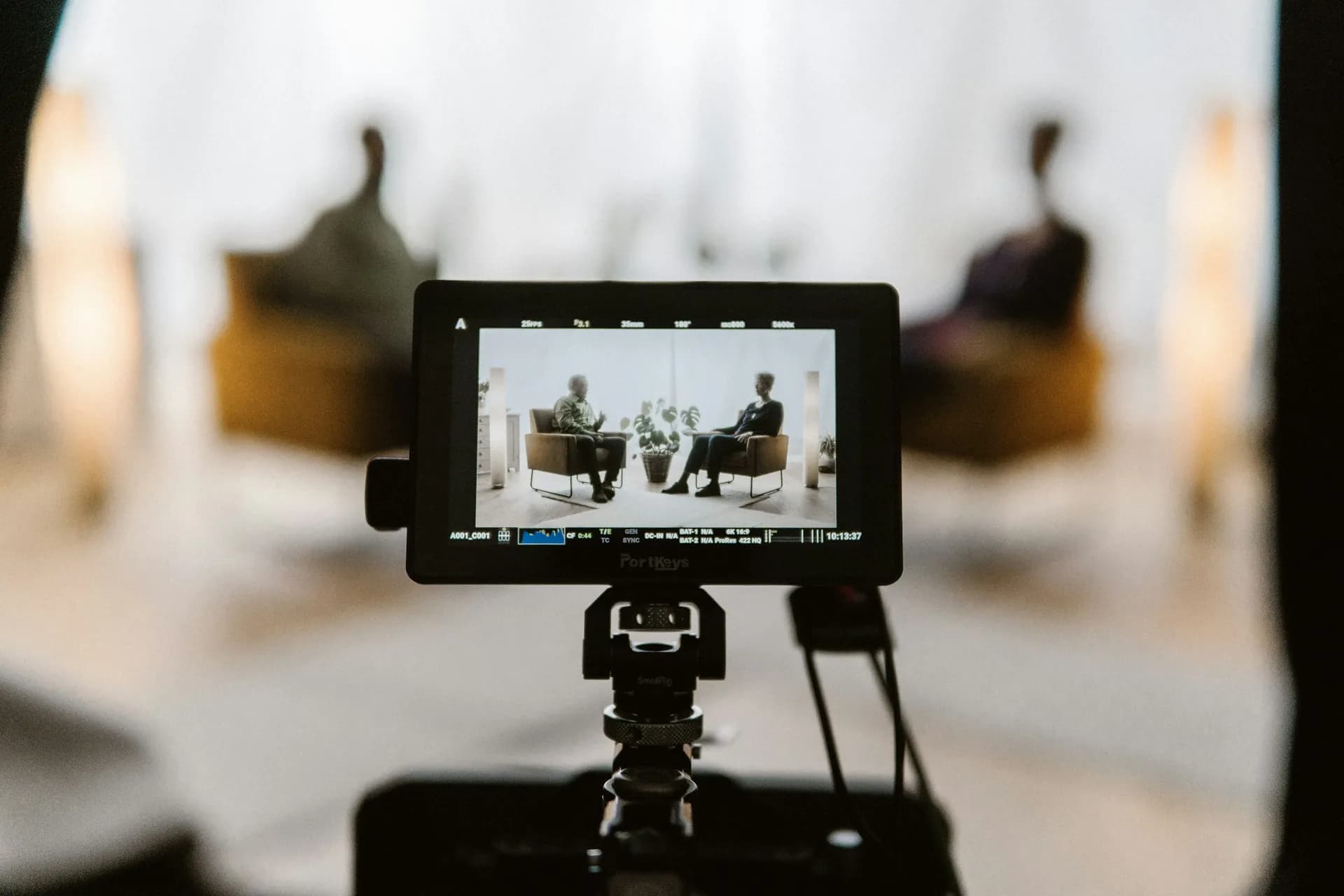
How much to invest without blowing the budget
For an early-stage startup, the sensible thing is to concentrate the spend on a single, well-prepared shooting day, not on several separate pieces. A four-hour morning shoot can deliver the product video, the team interviews and the material for social media.
What is worth paying for is sound and light. A modern phone records an acceptable image, but bad audio makes the video look amateur straight away. If you have to cut something, cut duration, not sound quality.
Common mistakes in startups
- Filming a long institutional video before the product message is clear.
- Showing a version of the product that will change in a few weeks.
- Letting the team improvise without a script and ramble on in their answers.
- Thinking only in horizontal and not preparing vertical cuts for social media.
- Saving on audio and then trying to fix it in the edit.
- Asking for too many pieces in a single shoot and not having time to film them properly.
Frequently asked questions
When is a good time for a startup to make its first video?
When you can explain in one sentence what problem you solve and you have something to show, even if it's a working prototype. Before that, a team and founders video is usually enough.
How long should a startup's product video be?
Between 60 and 90 seconds for the website and email. For social media, cuts of 20 to 30 seconds. If you need more, it's usually because the message isn't clear yet.
Can I film it myself with my phone?
For internal or very quick pieces, yes. For the video that will go on the website or in a pitch, it's worth taking care of sound and light, and that's where a professional makes the difference.
How do I stop the video from becoming outdated?
Film the team and the message, which change little, and keep the product in screen captures that can be swapped. That way you only redo that part when the interface changes.
If your startup needs to decide what to film first, tell me what stage you're at, what you want to achieve with the video and how much time the team has via /en/contact. I'll propose a tailored shooting plan and a concrete quote.