Blog / Guide
Corporate video for NGOs and foundations: how to show impact without manipulating
How to plan a corporate video for an NGO or foundation: which story to tell, how to film with vulnerable people, which mistakes to avoid and how much time to allow.
A foundation almost never has a problem with its cause. It has a problem explaining it in two minutes to someone who has never heard of it. That's where video helps, and also where it's easiest to get it wrong.
Here is how I plan a corporate video for an NGO or foundation: what I decide before shooting, how I work with the people the organisation supports and what usually goes wrong.
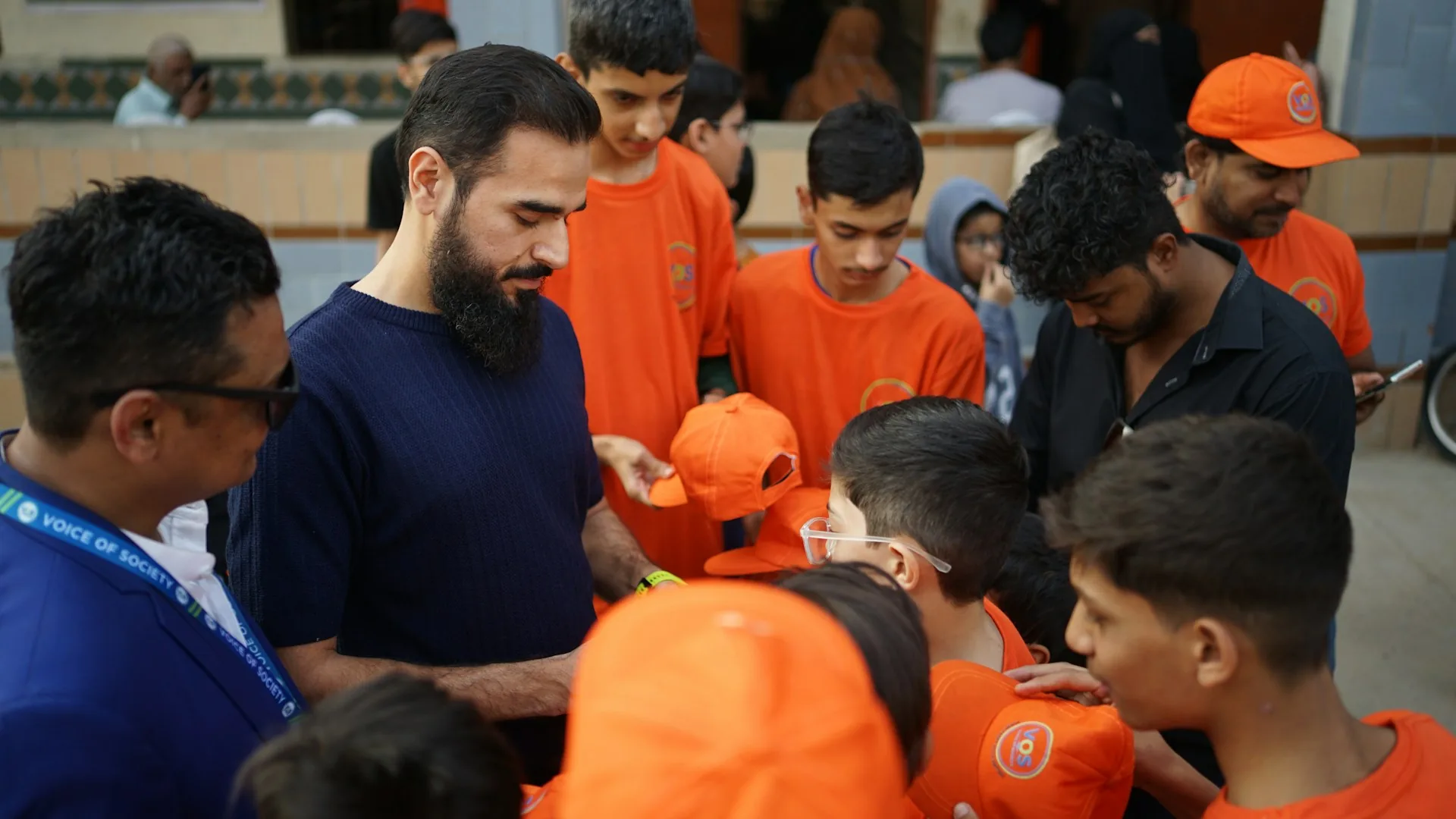
Why third-sector video is different
In a company, video usually supports a sale. In an NGO it supports a decision based on trust: donating, becoming a member, volunteering, signing an agreement. The viewer wants to know two things. Whether the problem is real and whether their help makes any difference.
That's why tone matters so much. A video that is too polished looks like advertising. One that is too dramatic looks like manipulation. I look for a middle ground: careful visuals, real people and figures that can be checked.
The audience also changes. The same video may have to work for individual donors, sponsoring companies and public administrations. Before writing anything I ask who the main piece is aimed at. The others are derived from it afterwards.
How to do it well
Choose one story, not a summary of the annual report
The most common mistake is trying to tell everything: years of history, lines of work, figures. I prefer one person, one moment and one concrete change. Figures come in as support, on screen and with the right source. If the organisation can't back up a number, I don't use it.
Film with consent and without intruding
If minors or people in vulnerable situations appear, consent comes first. The organisation handles it in writing and I review it before the shoot. I ask which people can't appear and plan the shots so that this can be respected. If someone prefers not to show their face, we film hands, spaces or silhouettes. The story still works.
Shoot with a small crew and plenty of time
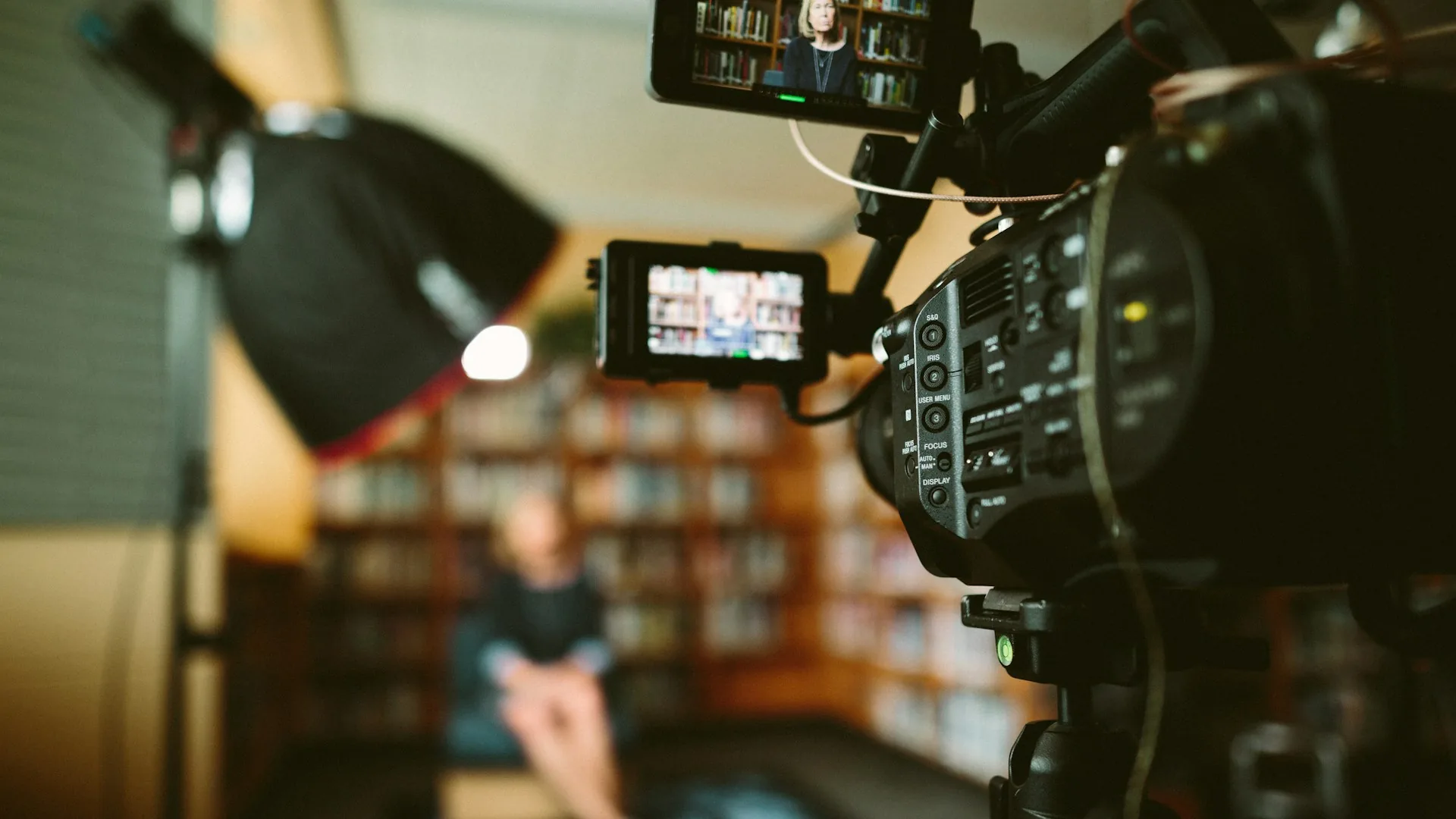
I arrive with one camera, a lavalier microphone and very little added lighting. If I walk into a centre or an activity with a big crew, I change what I'm trying to record. I usually ask for one day to observe and another for interviews. Sometimes the first hour isn't recorded: it's there so people get used to my presence.
Common mistakes
- Going for the most tear-jerking shot. In the short term it moves people, in the long term it costs the organisation credibility.
- Presenting the people supported only as victims, with no voice of their own and no context.
- Using figures without a source, or rounded in favour of the cause.
- Putting funders' logos full screen in the middle of the story.
- Making a single long video and not thinking about short versions for social media and company presentations.
- Leaving image release forms until after the shoot.
Frequently asked questions
How long should a good NGO video be?
For the website or a presentation, between two and three minutes. For social media, 30 to 60-second versions taken from the same shoot. An events or annual report video can reach five minutes if it has pace.
Can you film with minors?
Yes, always with authorisation signed by their guardians and with the organisation's agreement on how they will be shown. I adapt to those conditions, even if they limit the possible shots.
How long does it take from commission to delivery?
For a two or three-minute piece, between four and six weeks, counting preparation, one or two shooting days and editing with revisions. If permissions need to be arranged, it's best to start earlier.
What do we do if the budget is limited?
We reduce the scope, not the quality. A single well-told story and short versions of the same shoot go further than several pieces made in a rush. Tell me your budget via /en/contact and we'll see what fits.
If you work at an NGO or a foundation and want a video that tells your story with respect, write to me via /en/contact. A short call is usually enough to see which story deserves the main piece.