Blog / Guide
Corporate video for dental clinics: how to build trust before the first visit
How to plan a corporate video for a dental clinic: who speaks, what you show, how to film in the surgery with patients and which mistakes to avoid.
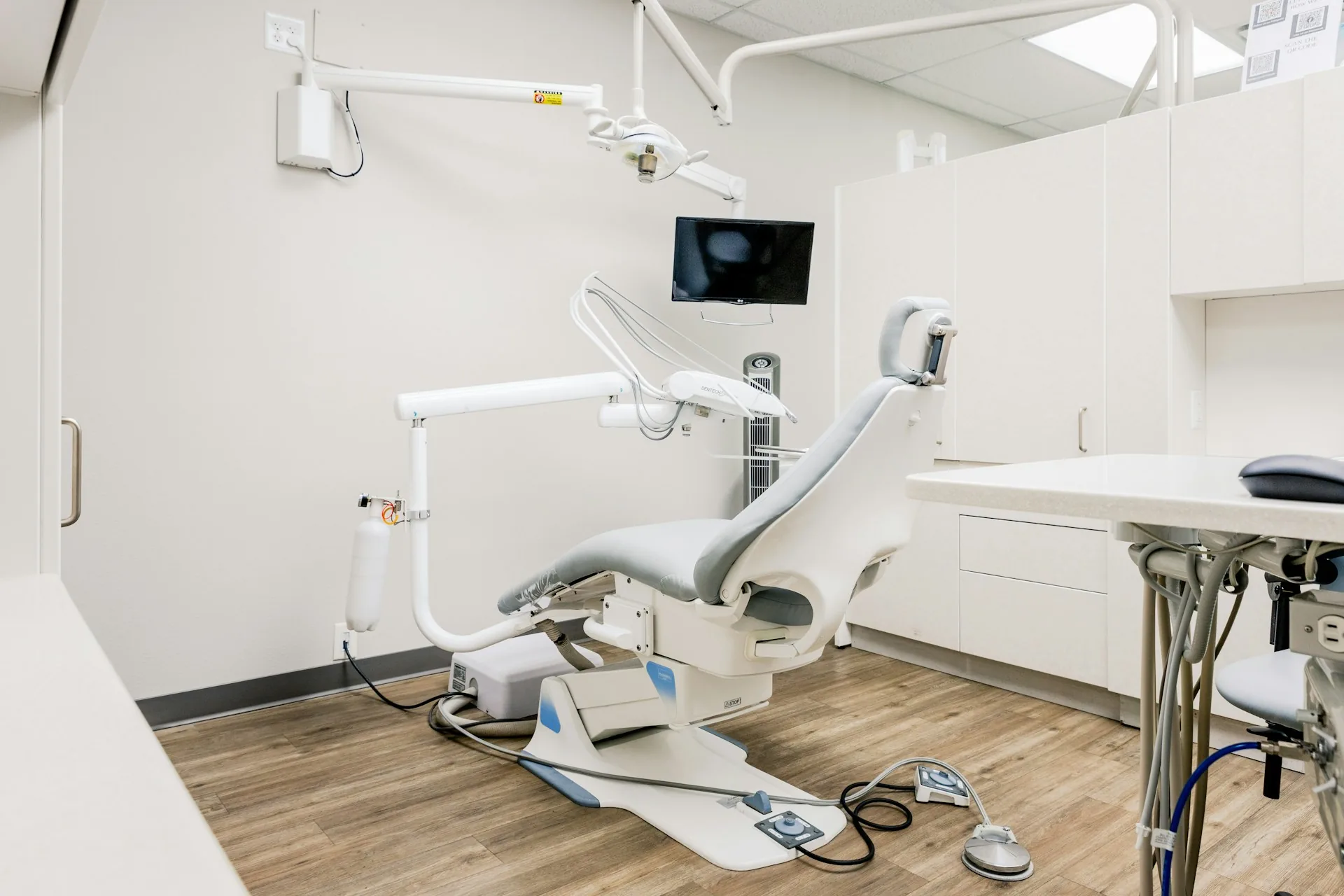
Someone looking for a dental clinic usually compares websites, reviews and photos. Almost all of them look alike: a white chair, a stock-photo smile and a list of services. What they almost never see is who they'll meet when they walk through the door.
That's where a corporate video does real work. It takes away fear, introduces the team and explains how you work before the patient books an appointment.
Why it matters for a dental clinic
Dental treatment creates tension. Many people arrive afraid or with a bad previous experience, and they decide by feeling. A well-made video works on exactly that feeling: tone of voice, bedside manner, how orderly the space is.
It also helps the clinic itself. It's useful for the website, for the Google listing, for introducing a new dentist and for recruiting hygienists and assistants, who also compare where they want to work.
My usual recommendation is one introductory piece of one to two minutes and several cuts of 30 to 45 seconds: the team, the technology and what the first visit is like.
How to do it properly
Who appears on camera
The clinical director, a couple of professionals from different areas and someone from reception. Reception matters more than it seems: it's the first person the patient talks to. I prepare three simple questions for each of them and film them seated, with no script to read.
What you show
The route a patient would take: entrance, waiting room, surgery, and the team explaining what happens on a first visit. Shots of hands, tidy instruments and technology in use work well because they convey care without needing to explain it. I avoid shots of explicit procedures: they don't help anyone who is afraid.
How to film in the surgery
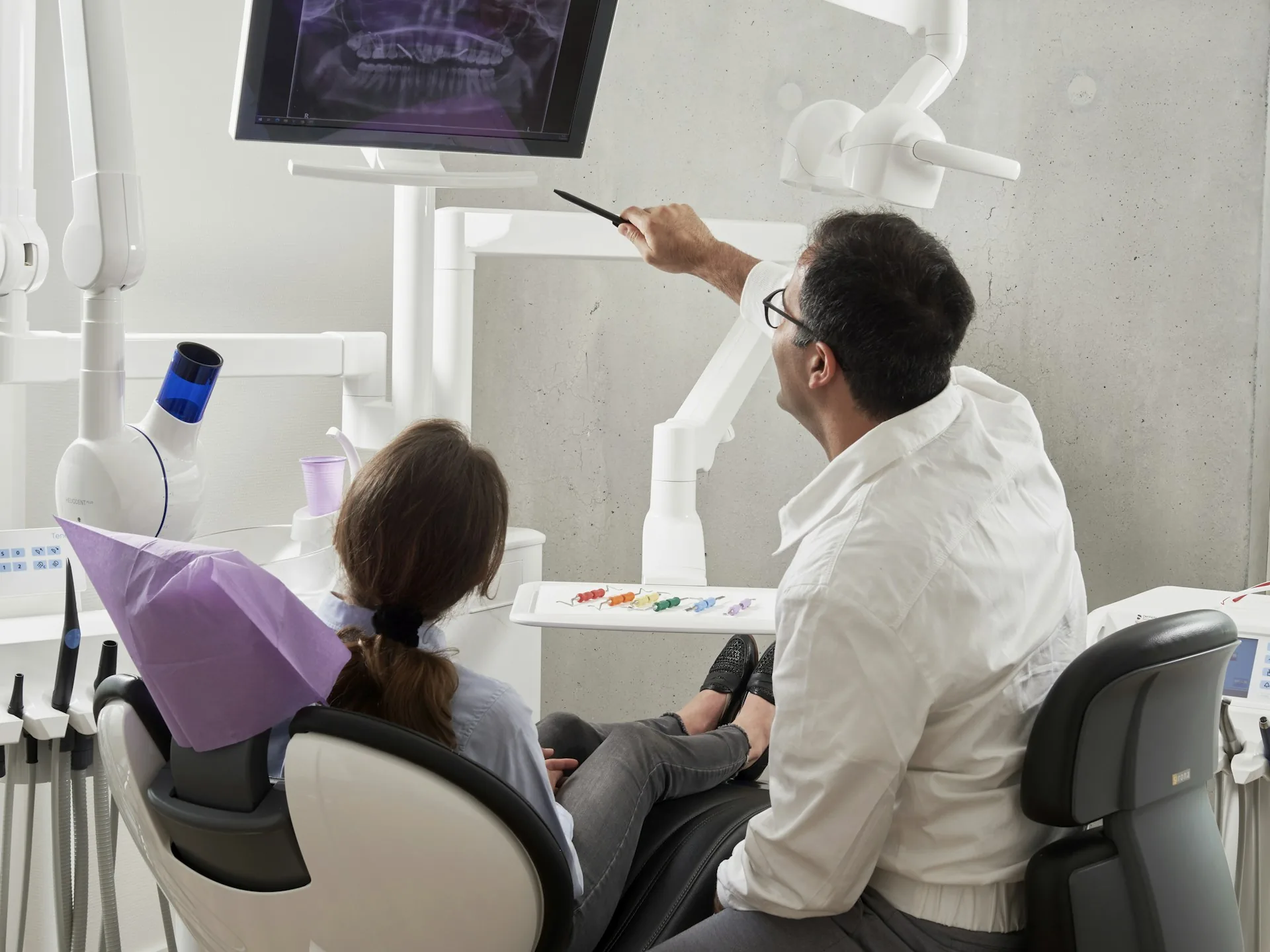
The ideal is to film outside opening hours or in a slot with a free diary, with a surgery prepared in advance. If a real patient appears, I need their written image consent before switching the camera on, and they always have the right to say no. I use soft, neutral light, a camera on a tripod and a fast lens so I don't depend on big lights. I make sure the colour temperature doesn't tint the whites of the room, or the teeth, blue.
Common mistakes
- Using stock smiles instead of showing the real people at the clinic.
- Filming with patients without signed image consent.
- Promising results in the video, something healthcare advertising rules limit and that can cause problems.
- Filling the video with explicit procedures that frighten instead of reassure.
- Ignoring sound: an echoey room and a drill in the background ruin any interview.
Frequently asked questions
How long should a dental clinic video be?
The introduction, between one and two minutes. The cuts by topic, between 30 and 45 seconds. For social media, vertical versions of 15 to 30 seconds taken from the same shoot.
Can you film without closing the clinic?
Partly. Interviews and cutaway shots are filmed with one surgery free, in a short slot. To avoid disturbing patients, most clinics prefer a morning with no appointments or a quiet afternoon.
Do I need permits for patients to appear?
Yes. You need written image consent from every person who can be recognised. If you'd rather not handle that, it's normal for only the team to appear, and it's a perfectly valid option.
How long does it take to get the video?
Between three and five weeks: preparation, one shooting day and editing with one or two review rounds. If it has to be coordinated with the clinic's diary, the schedule adjusts to that.
If you run a dental clinic and want a video that shows your team and the way you work, get in touch via /en/contact. In a short call I'll tell you which format suits your clinic.