Blog / Guide
Corporate video for architecture practices: how to show work that takes years
How to plan a corporate video for an architecture practice: what to show if the building isn't finished, who speaks, how to film spaces and which mistakes to avoid.
An architecture practice already has good photography. What it almost never has is a way to show how it thinks, how it works and why a project ends up the way it does.
Here's how I plan a corporate video for an architecture practice: what I decide before shooting, who appears on camera and what tends to go wrong.
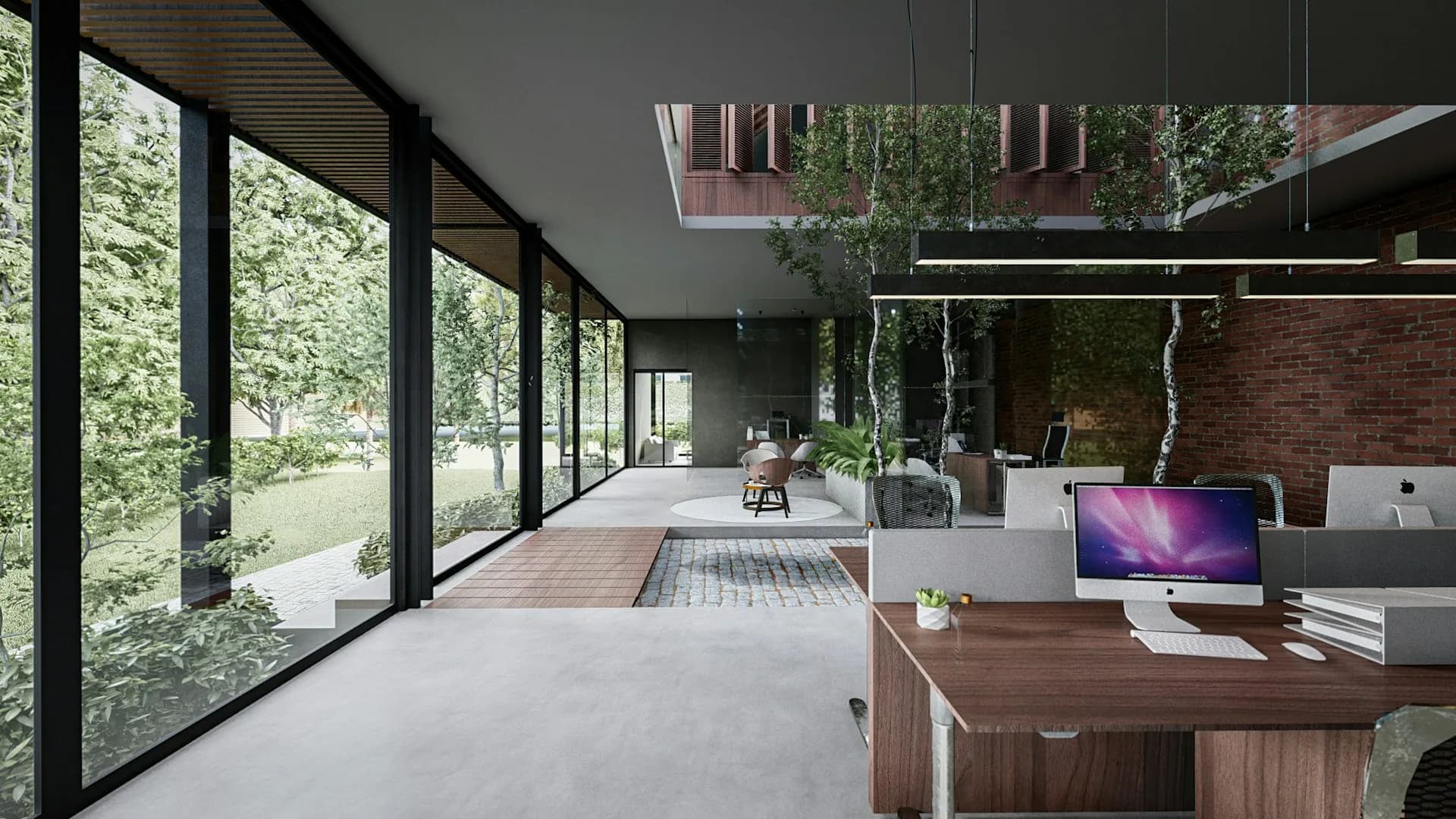
Why an architecture practice needs a different kind of video
Whoever hires a practice is buying a way of solving problems. Photos of a finished building show the result, but not the thinking. Video is for that: the client hears how the architect explains a decision and decides whether they want to work with that person.
There are two practical problems. Projects take months or years, so the shoot rarely coincides with a finished building. And many buildings are inhabited or occupied, with limited access permissions.
That's why a practice's video works better as a sum of small pieces than as one big five-minute piece. An introduction to the practice, one piece per project and several cuts for social media.
How to do it properly
Film the process, not just the result
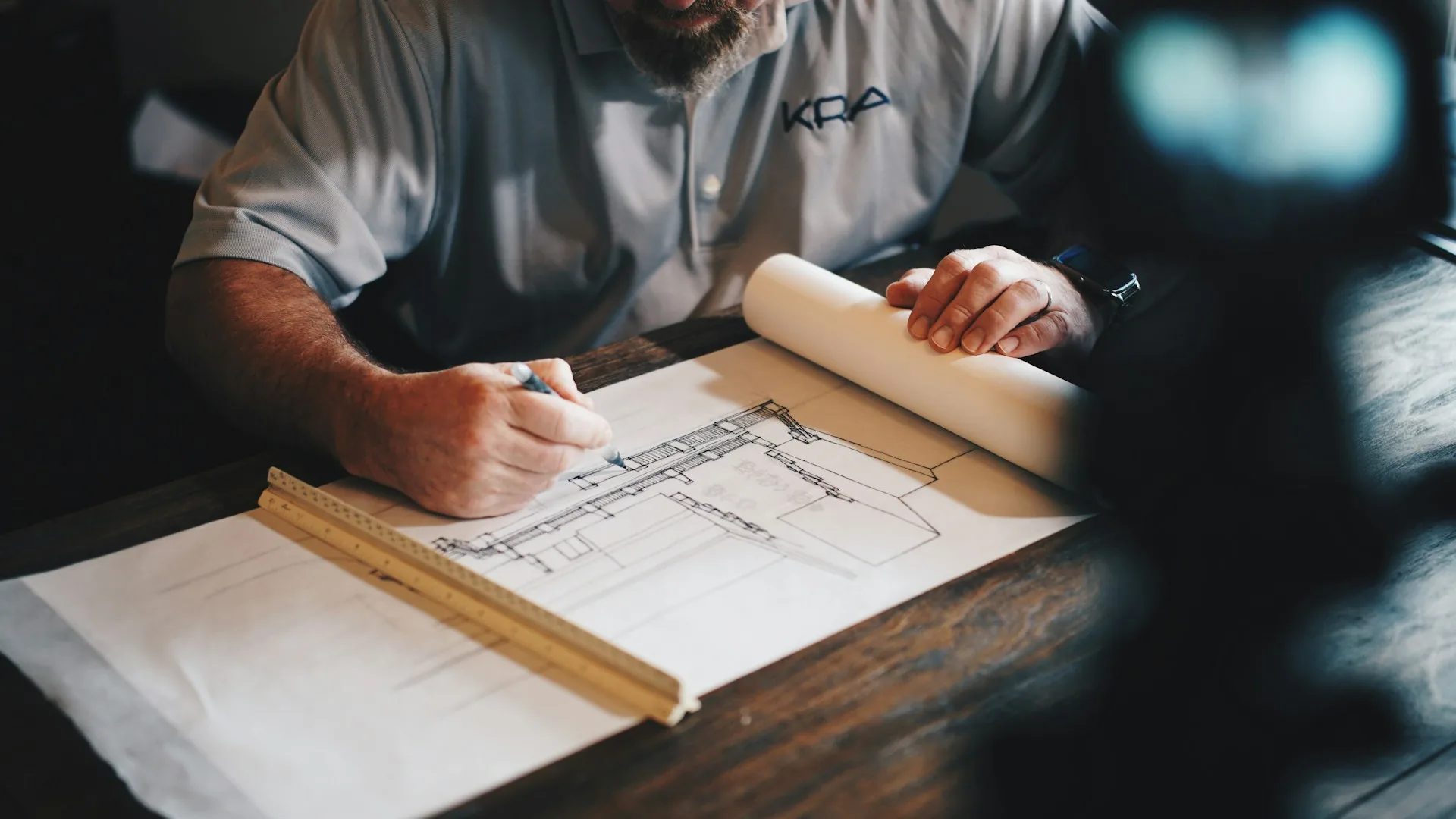
Models, drawings on the table, a project review in the office, a site visit in a hard hat. All of that can be filmed while the building doesn't exist yet. I plan it over several months in short half-day visits, and in the end I have material from every phase.
Interview the decision-makers
A partner explaining why they opened a facade to the north is more useful than any voice-over. I prepare three questions per person and film seated, with window light and a lavalier microphone. If the speaker isn't comfortable, I let them talk while walking through the space.
Film the spaces calmly
Architecture looks bad with nervous movements. I use a tripod and a gimbal with slow moves, wide lenses that don't distort the lines, and I look for first or last light. When the building is occupied, I arrive before people do. For the edit in DaVinci Resolve I keep long shots, with no cut every two seconds.
Common mistakes
- Making a montage of renders and photos with background music. The website already has that.
- Filming the building without asking the owner or the users for permission.
- Putting a generic voice-over on the images instead of letting the team speak.
- Filming only when the building is finished and losing the whole process.
- Making a single long video instead of project pieces that can be reused.
Frequently asked questions
How long should an architecture practice's video be?
For the introduction to the practice, between one and three minutes. For each project, between one and two. For social media, cuts of 20 to 40 seconds taken from the same material.
Can you film a project that is still under construction?
Yes, and it's usually a good idea. I need permission from the site management and I follow their safety rules. With a hard hat, boots and a vest you can film without getting in the way.
Is a drone needed?
It depends on the project. For a building in an open setting it adds context. In urban areas it requires authorisation and flying isn't always possible, so I don't take it for granted.
How long does it take to get the video?
An introductory piece usually takes between three and five weeks: preparation, one or two shooting days and editing with one or two review rounds. If the process of a build is being filmed, the schedule is set by the build.
If you run an architecture practice and want a video that shows how you work and not just what you build, get in touch via /en/contact. In a short call I'll tell you which format suits your projects.