Blog / Guide
Corporate shoots abroad: what to take into account
A practical guide to what changes when filming a corporate video outside Spain: permits, equipment transport, insurance and coordination with a local crew.
The first time I filmed outside Spain was for a company with an office in Lisbon. I took the same equipment list I use in Madrid, and halfway through the morning I realised three things were missing: a power adapter, insurance covering the gear abroad and a local contact who knew how to open the door of the room we'd booked.
A corporate shoot abroad is not a normal shoot with more kilometres. The logistics, the paperwork and the margin for error you can afford all change. This is what I check before accepting one.
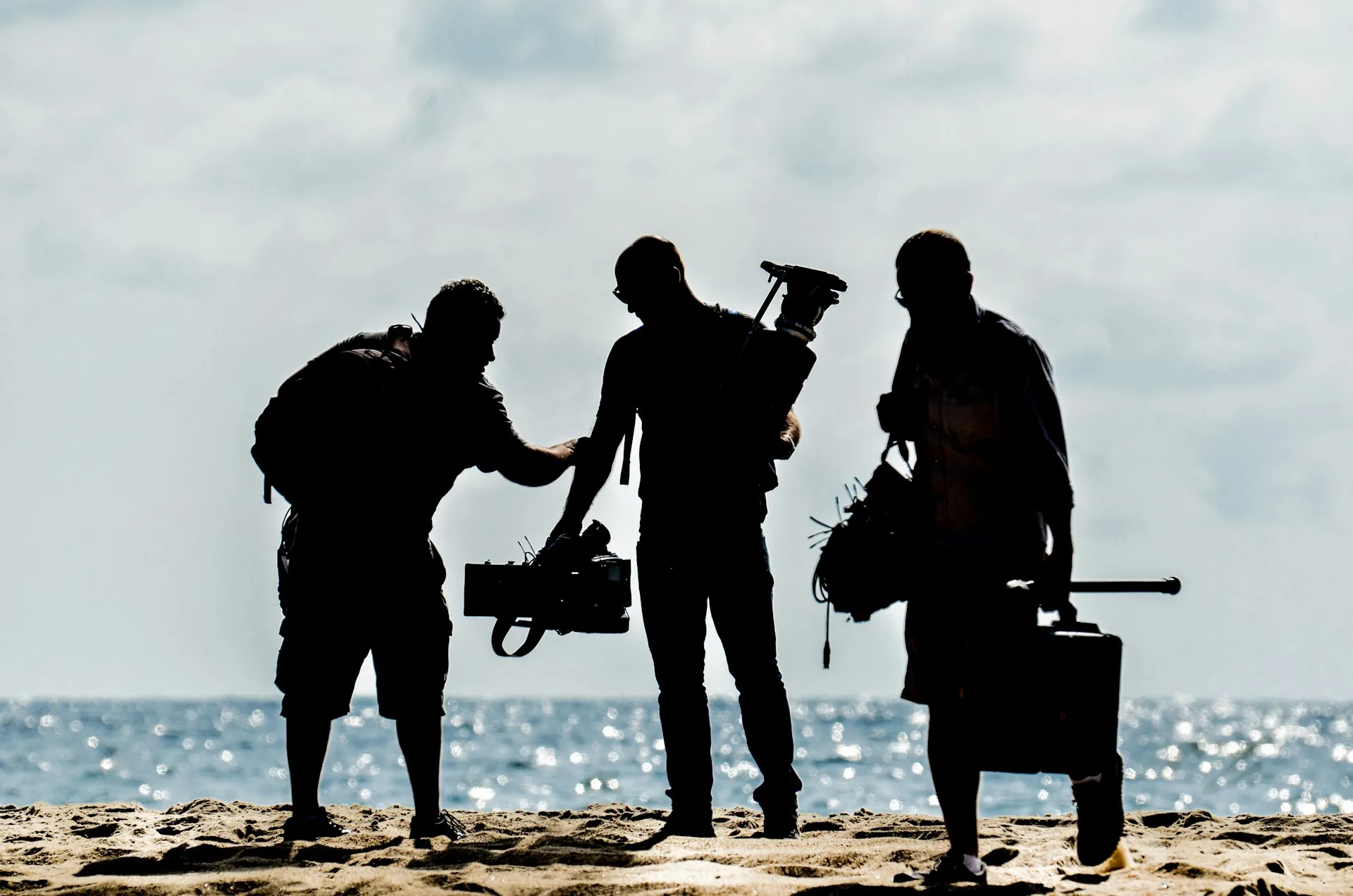
What changes compared with a shoot in Madrid
In Madrid I know the locations, I have backup equipment rental an hour away and I can sort out a problem the same day. Outside Spain, any equipment failure becomes a serious problem: there's no trusted shop to call and no supplier who can lend you a charger in two hours.
Preparation time changes too. A shoot in Madrid I can set up in a week. One abroad I start three or four weeks ahead, because some procedures don't depend on me: work visas, filming permits for public or private spaces, and coordinating schedules with a client in another time zone.
The budget is calculated differently as well. It isn't just the flight and the hotel: you have to add excess baggage for the equipment, specific insurance, and normally an extra day of margin before or after the shoot in case something is delayed.
How to do it properly
Paperwork and permits before travelling
Every country has its own rules for filming in public spaces, airports, government offices or tourist areas. Before booking the flight, I confirm with the client or a local contact which permit I need and how long it takes. In some countries an authorisation from the host company is enough; in others you need an official permit that can take weeks.
Equipment transport and insurance
I carry the gear as hand luggage whenever I can: cameras, cards and lenses never leave my sight. What doesn't fit in the cabin goes checked in hard cases, with an inventory photographed before closing each one in case I have to justify something at customs. I review equipment insurance case by case: my usual policy covers Spain and part of Europe, but outside that area I take out a temporary extension before leaving.
Coordinating with a local crew
If the shoot lasts more than a day or I need something I can't fit in a suitcase (large lights, a drone, a second operator), I look for a local contact before travelling. Working with someone who knows the terrain reduces the margin for error: they know which sockets are used, which rooms have good natural light and what access rules exist in the building.
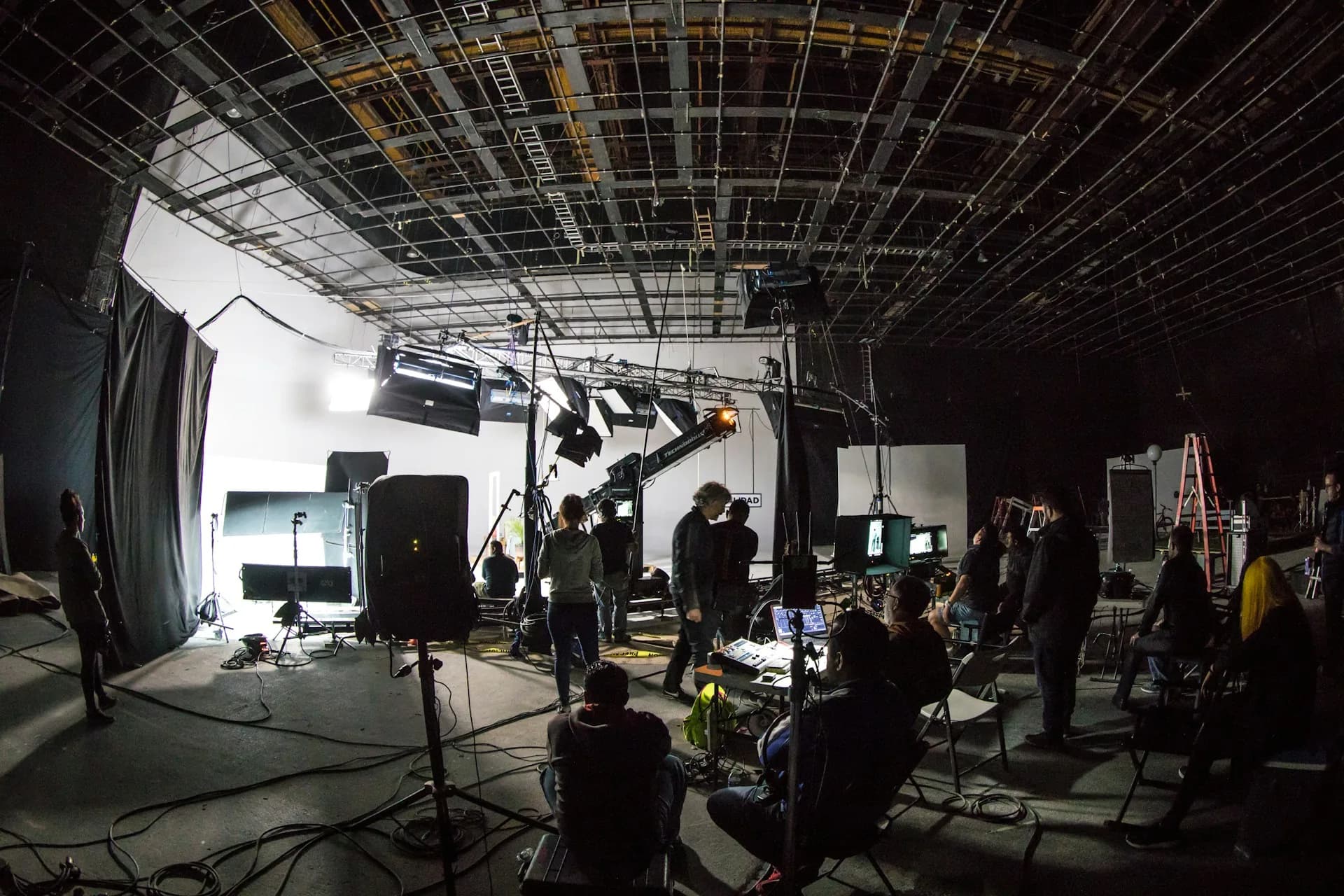
Common mistakes
- Assuming the plug and voltage are the same as in Spain: checking the country's electrical standard in advance avoids surprises with batteries and chargers.
- Not calculating excess baggage: some airlines charge more for an equipment case than for the ticket itself if it isn't declared beforehand.
- Travelling without a copy of the script, the brief and the contacts on an offline device, in case roaming or the hotel wifi fails.
- Not confirming the working language with the local crew: coordinating in English through an interpreter on the shooting day eats into useful filming hours.
- Underestimating flight fatigue when planning the first shooting day: if you land in the early hours, don't schedule an important interview for nine o'clock.
Frequently asked questions
Do I need a local fixer or contact for every shoot outside Spain?
Not always. For a one-day recording in an office, with the client's prior permission, I can work alone. For multi-day shoots, in public spaces or with extra equipment, a local contact saves time and avoids permit mistakes that are expensive to fix on site.
How do I check video equipment on an international flight without damaging it?
I use hard cases with foam cut to size for each piece, never soft bags. Cameras and memory cards always travel in the cabin. The rest (tripods, lights, cables) is checked in, insured and with an inventory photographed before closing the case.
What insurance do I need to film outside Spain?
At minimum, equipment insurance covering loss, theft and damage outside the home country, and public liability insurance if you're going to film in third-party spaces. Read the small print: some policies exclude certain countries or require the trip to be declared in advance.
How much lead time should I allow before an international corporate shoot?
At least three weeks if permits are involved, and one more week if you need a work visa for the destination country. That margin makes the difference between solving a problem calmly and solving it with the flight already booked.
If you have a project that involves filming outside Spain, tell me the details of the country and the space via /en/contact. With that information I can tell you what paperwork you need and how much lead time to allow before locking dates.