Blog / Guide
Corporate documentary filming: how it's planned and shot
What corporate documentary filming looks like from the inside: preparation, observational shooting, interviews and editing, with realistic timings and mistakes to avoid.
When a company asks me for a corporate documentary, they almost always imagine something long and solemn. What they really want is for people to see how their team works without it feeling like an ad. That takes a different shooting method from the classic corporate video.
Here is how I approach documentary filming for a company in Madrid, what I decide before arriving with the camera and where things tend to go wrong.
What corporate documentary filming is and why it matters
It's a shoot that observes a real situation instead of staging it. There is no word-for-word script. There is a central idea, a list of moments I want to capture and a series of interviews with open questions.
It matters because audiences can tell straight away what is acted and what isn't. A team really working, with its pauses and its jokes, builds more trust than any perfect shot of an empty room.
It works for brand stories, anniversaries, industrial processes, social impact projects or presenting a company culture. It doesn't work when you need a closed commercial message timed to the second. Other formats exist for that.
How to do it well
Preparation: the idea is fixed before shooting
Even without a script, there is preparation. I talk to whoever leads the project, visit the location if I can and define a question the documentary must answer. Then I make a list of likely scenes: a meeting, a work shift, an arrival, the end of the day. With that I know where to position myself and who to ask for permission to film.
Shooting: observing with a small kit
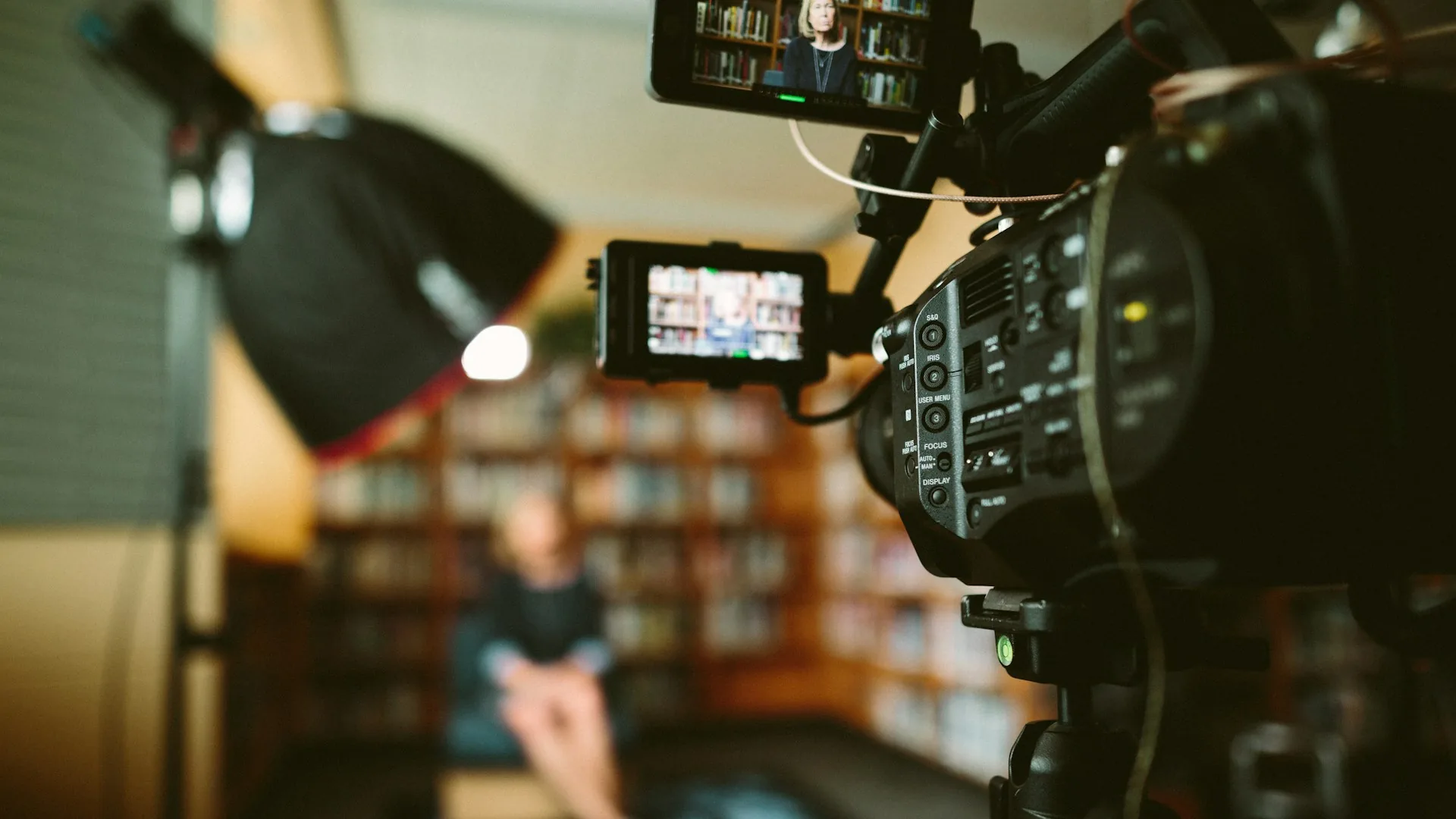
I work with a main camera, a lighter second camera and either a lavalier microphone or a boom, depending on the space. The less equipment people see, the sooner they forget about me. I book at least one full day of about 8 hours, because during the first two hours people are still performing a little. The good stuff usually comes later.
Interviews: open questions and no rush
Each interview lasts between 20 and 30 minutes. I ask how something started, what went wrong, what they would change. I avoid questions that can be answered with a yes or a no. I leave silences. The best lines usually come right after one.
Common mistakes
- Asking people to repeat an action "for the camera" until it looks natural. It loses its charm.
- Shooting a single morning and expecting material for a ten-minute documentary.
- Interviewing with a script of answers approved by the communications team. It shows and sounds like a press release.
- Forgetting image permissions for people who appear in the background. Better to sort it out before the shoot.
- Editing observational footage at the pace of an ad. The result feels forced.
Frequently asked questions
How long does corporate documentary filming take?
It depends on the scope. For a piece of 5 to 8 minutes I usually need one to two shooting days, followed by about two weeks of editing with revisions. If there are several sites or people, I add days.
Do you need a script for a corporate documentary?
Not a closed script. You do need a structure: the central question, the planned scenes and the people to interview. The final thread is built in the edit, with what actually happened.
How many people are needed on the shoot?
For most corporate projects, I'm enough on my own and, sometimes, a sound assistant. A large crew changes how people behave and goes against the idea of observing.
How is it different from a normal corporate video?
I don't control every shot. The classic corporate video is written first and then executed. A documentary is prepared, but reality is left room to surprise. It has more raw footage and needs more editing time.
If you're considering a documentary for your company and aren't sure it fits, tell me about it via /en/contact. In a 15-minute call I can usually tell whether the documentary format or a more closed one suits you better.