Blog / Guide
Social media content in Madrid: how to build a system that keeps up the pace
How I approach social media content for businesses in Madrid: shoot days, formats for each channel, editing and publishing without relying on weekly inspiration.
Almost every company in Madrid that calls me about content starts the same way: someone in-house has spent weeks trying to keep the feed active and can't keep up. One week there are three Reels, the next there are none, and the following month everything gets rethought.
The problem is almost never a lack of ideas. It's that they're trying to produce content as if it were creative improvisation, and that doesn't last six months. What lasts is a system: shoot days marked in the calendar, defined formats for each channel and an edit that comes out ready to publish.
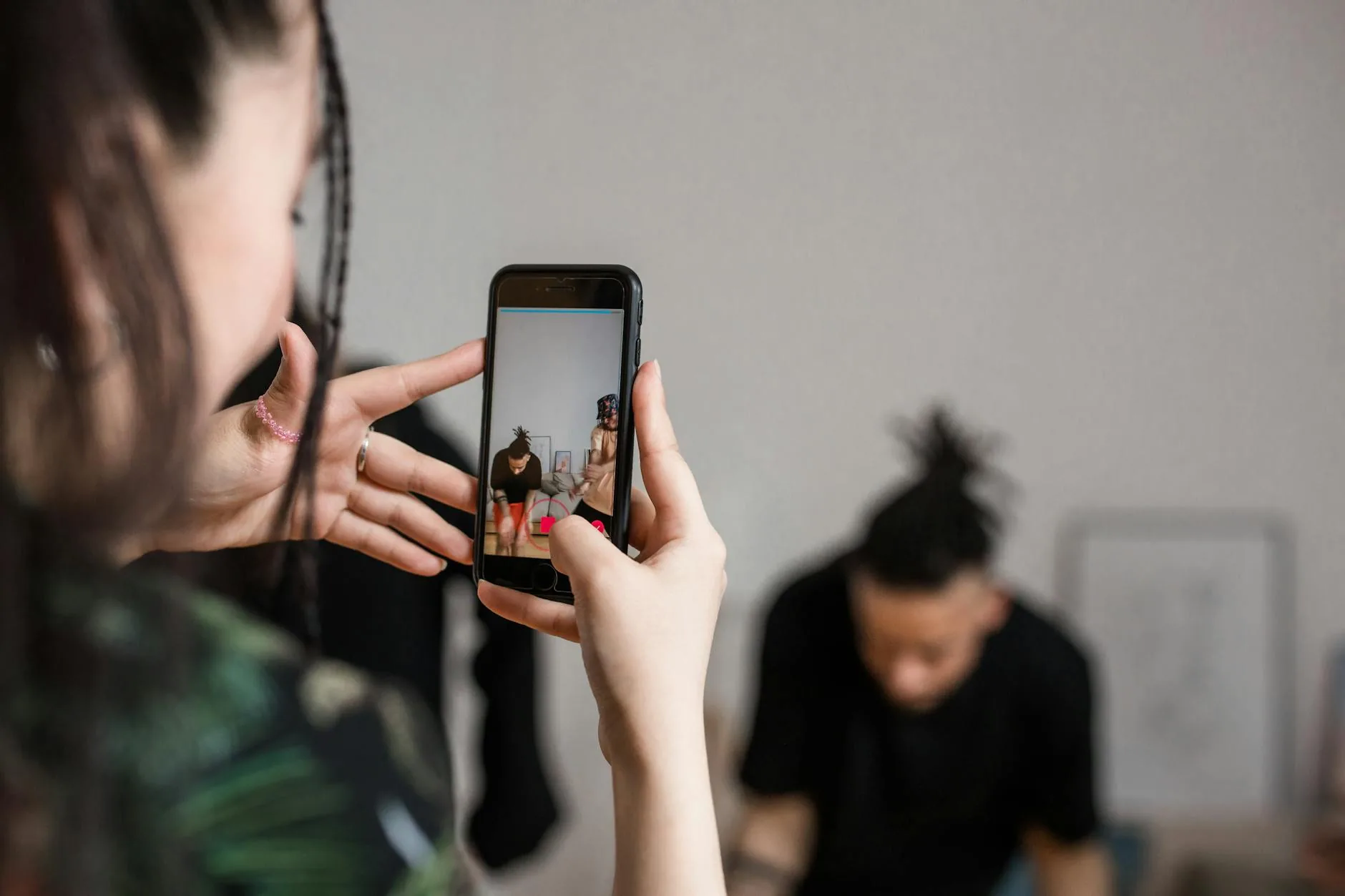
Why a system and not "fresh content"
Producing social media content on a "let's see how it goes" basis costs more than it seems. Every week you have to pick the topic, write the script, set up the camera, film, edit and publish. If that chain breaks at any step, the whole week breaks. And when it's an in-house team with other priorities, it will break.
What a system does is separate filming from everything else. Once a month, all the footage that will be used over the next four weeks is captured in one go. Editing and publishing follow behind, with the pieces already in hand, not against the clock.
The mindset shift matters: it's not about filming more, it's about filming less often and getting more out of each shoot day. A well-planned four-hour morning gives you enough material for a whole month of posts on LinkedIn, Instagram and TikTok.
How I set up a monthly system
Calendar and scripts at the start of the month
Before the shoot day, I finalize the month's scripts with the client. There are usually eight to twelve pieces: two or three longer ones for LinkedIn and the rest short for Reels and TikTok. The scripts are written in short sentences, ready for the teleprompter, in the tone the brand already uses in writing on other channels.
One shoot day a month
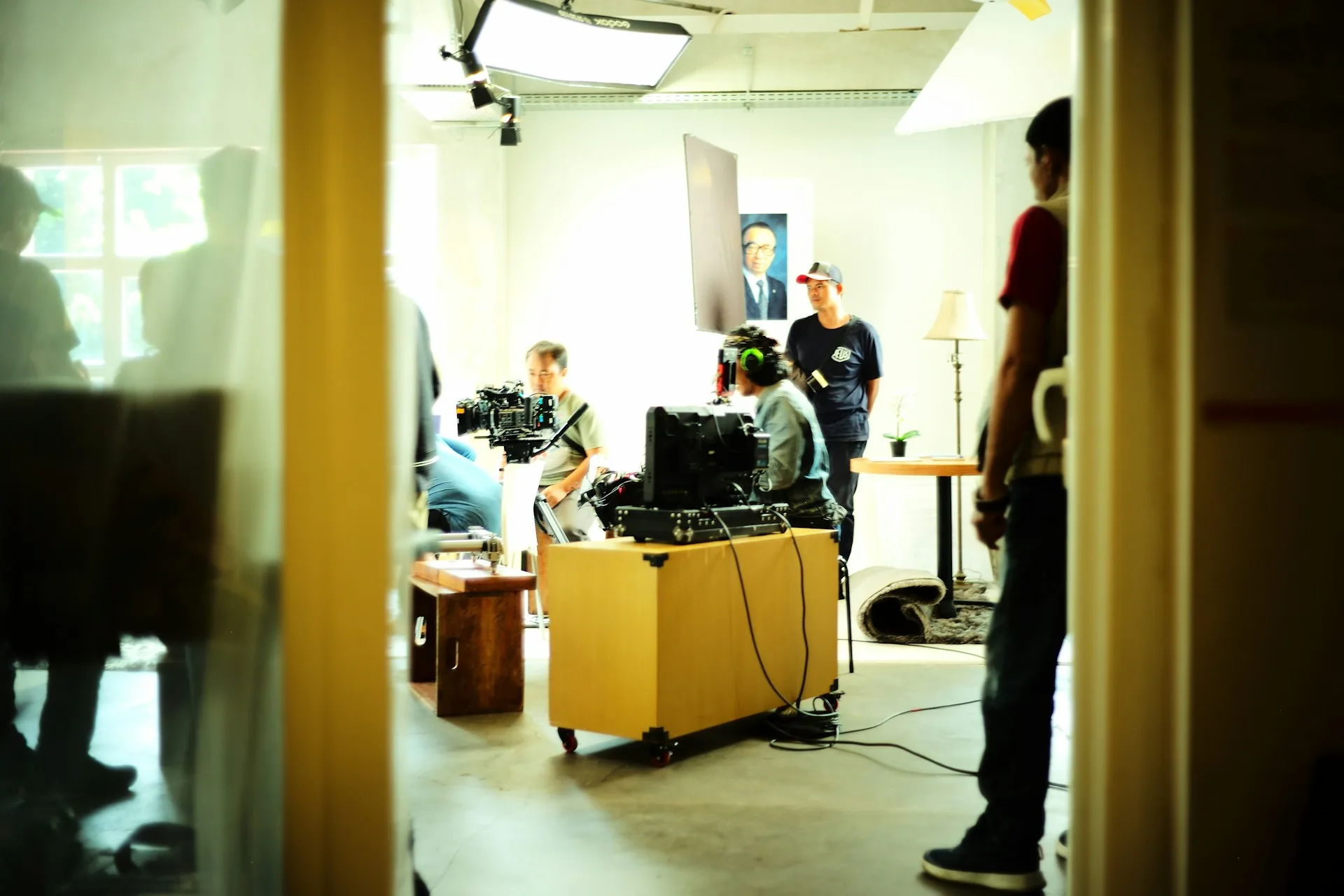
I bring two Sony cameras, lavalier mics, a teleprompter and two soft lighting setups. The person on camera reads the month's scripts back to back, with no script meetings beforehand. If the day is well prepared, actual filming takes two to three hours, including shot changes and a couple of different backgrounds so the pieces don't all look the same.
Editing tailored to each channel
The same footage is edited into different formats depending on where it's published. For LinkedIn, a longer piece with subtitles and clean typography. For Instagram and TikTok, vertical cuts of fifteen to forty-five seconds, with a faster pace and burned-in subtitles. I edit in DaVinci Resolve and deliver in a folder organized by week, with suggested copy for each post.
Mistakes I see when people try to do it themselves
- Filming without a written script and editing in search of "the good moment". The time spent in post triples.
- Publishing without adapting the format to each channel. What works on LinkedIn isn't the same as what works on TikTok, even if it comes from the same footage.
- Changing the background, outfit or lighting every week. The feed loses recognizability and every piece looks like it was made by someone different.
- Waiting until you have "something important to say" before filming. Consistency matters more than any single brilliant post.
- Not including burned-in subtitles. Most of the feed is watched with the sound off, and without subtitles the first couple of lines are lost.
Frequently asked questions
How many pieces can you get from one monthly shoot day?
It depends on the format and how well prepared it is, but the usual range is eight to thirty finished pieces. For Reels and short videos, twenty to thirty a month typically come out of a three- to four-hour shoot. If you mix long and short pieces, eight to twelve is realistic.
Does the person on camera need experience?
No. Almost everyone I work with doesn't feel comfortable on camera the first time. That's why I always use a teleprompter, the scripts are written in their usual tone, and the day starts with simple shots so the person gets used to it before the longer scripts. By the second or third shoot, the difference is huge.
Is it better to film one day a month or spread it over several mini shoots?
For companies with a busy in-house team, one long shoot day a month works better than several mini shoots. It reduces logistics costs, avoids interrupting the schedule several times and forces you to plan content in advance. Mini shoots only make sense for one-off moments that only happen that day (an event, a visit, a specific launch).
How long after filming does the content get published?
The first batch is usually ready in five to seven days, so publishing can start the week after the shoot. The rest is delivered in stages over the four weeks, following the calendar we set at the start of the month. If something is urgent (a launch or a specific campaign), that piece gets priority.
If you're running social media content in-house and feel you can't keep up the pace, get in touch through the contact page with a couple of lines about which channels you want to feed and how often. From there, we'll see whether a monthly system makes sense or something more one-off.