Blog / Guide
How to choose a corporate filmmaker for your company
A practical guide to choosing a corporate filmmaker without the usual mistakes: how to review a portfolio, read the early conversations and understand a quote before you hire.
When the question of how clients ended up finding someone like me comes up, the usual answer is: by process of elimination. Many have already been through one or two jobs that didn't go well. Wasted time, money spent and a hard drive full of footage they never used.
With the right criteria, the process is straightforward. Here's what I'd look at myself if I were on the other side, choosing a filmmaker for a project.
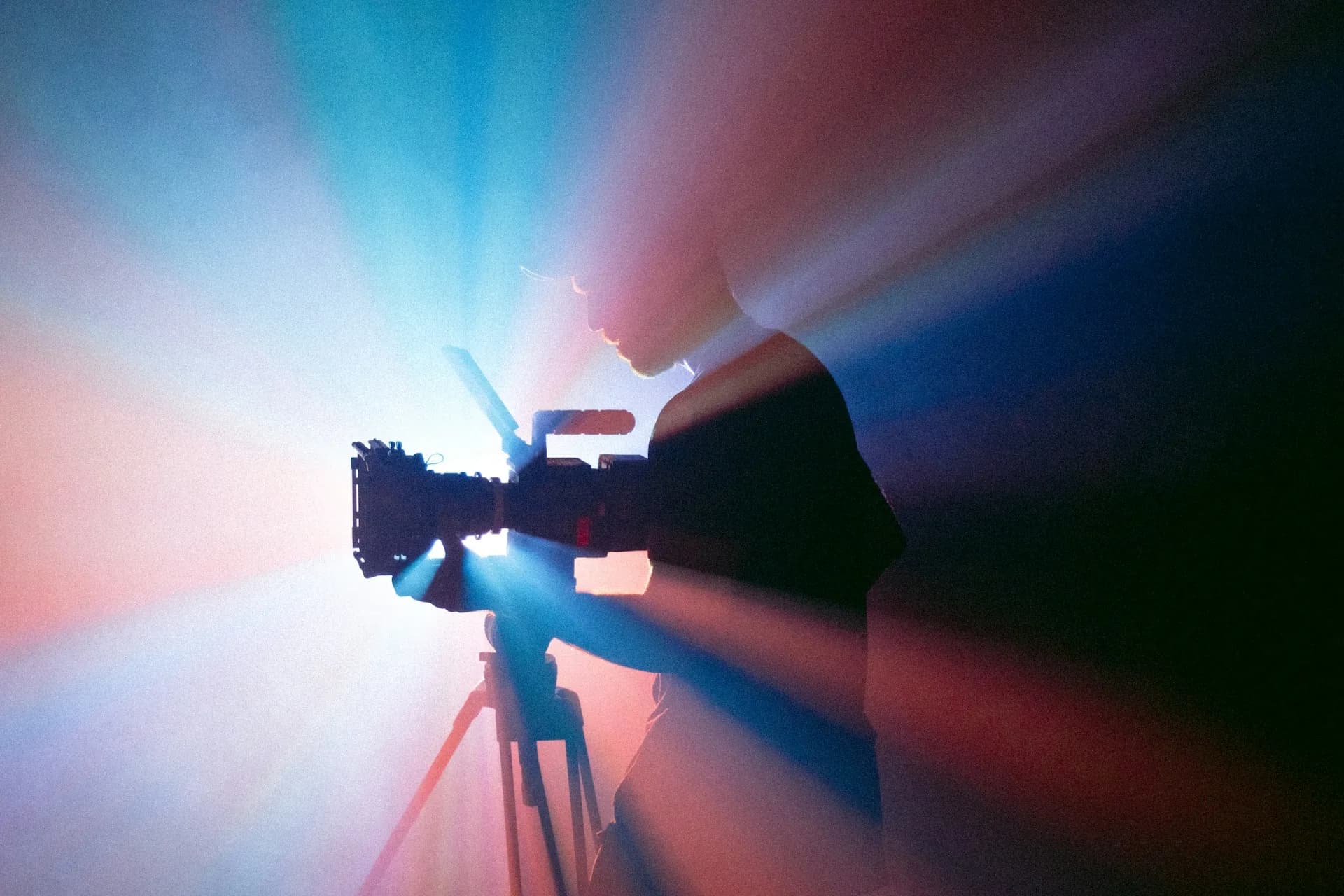
What sets a corporate filmmaker apart from an event videographer
An event videographer captures what happens. A corporate filmmaker brings editorial judgement: they know what the brand needs before arriving on set, how to build a story from the available footage and how to deal with the unexpected without it showing in the result. The distinction matters because the kind of professional you choose determines the kind of footage you'll get.
A corporate video has a specific objective: selling a service, introducing a team, building trust with a potential client or documenting an event in a useful way. Knowing how to operate a camera isn't enough for that. You need to understand the company, its tone, its audience and what should happen when someone watches the video. That's what distinguishes a corporate filmmaker from someone who simply films.
How to evaluate a filmmaker before signing
The portfolio: pay attention to what they don't show
Any footage with decent lighting, rhythmic editing and Epidemic Sound music looks well made. A portfolio tells you little if you only look at the highlights. What does tell you something: whether the videos are consistent with one another; whether there's a range of clients and sectors or everything looks like the same job repeated; whether you can spot a distinctive point of view beyond technique. Also ask what happened on difficult projects. People who can explain how they solved a problem are more reliable than those who only show flawless results.
Communication before the job: an indicator that never fails
Before hiring anyone, have a conversation about the project. Not about the price: about the project. A filmmaker who asks good questions — what the video's objective is, who will watch it, how long the viewer has before deciding — is someone thinking about the result, not just the shots. If the first conversation jumps straight to the quote without understanding the brief, that's a red flag.
The quote: what's included and what isn't
Video production quotes vary a lot depending on what they include. A low figure may mean audio equipment, editing days or revisions haven't been factored in. Before comparing numbers, compare breakdowns. Does it include shooting and editing? How many shoot days? How many rounds of revisions? Licensed music or free stock tracks? Asking this upfront isn't distrust: it's professionalism.

Common mistakes when hiring a corporate filmmaker
- Choosing on price without checking the breakdown. The lowest cost can hide missing services that later mean extra costs or extra time.
- Not asking for references or previous projects similar to yours. A filmmaker who does great wedding work may not have the judgement a business video needs.
- Assuming delivery timelines without agreeing on them. Editing times vary; ask for the estimated date before confirming the job.
- Not defining how many revisions are included. Without that limit, the process can drag on indefinitely and strain the relationship.
- Asking them to copy someone else's style. If you hire someone for their judgement, let them use it. If you need a very specific style, explain it with references before starting.
Frequently asked questions
How much does a corporate filmmaker charge in Madrid?
The typical range in Madrid for a complete corporate project — a one-day shoot plus editing — is €1,200 to €4,000, depending on the length of the video, the number of cameras, the sound equipment and the post-production days. Projects with multiple locations or more demanding technical requirements can exceed that figure.
How long does it take to deliver a corporate video?
For a two- to five-minute video with one shoot day, the usual delivery time is two to three weeks after the shoot wraps. It depends on the number of revisions agreed and the complexity of the edit. Urgent projects can be sped up, but it's best to agree on that before confirming the job, not afterwards.
What information does a filmmaker need to quote a project?
At a minimum: the type of video (interview, event, product, brand), the estimated length of the final piece, the shoot date and city, and the number of people on screen. With that, you can get a ballpark range. A fixed quote requires the full brief and, if there are specific locations, a prior tech scout.
Is it better to hire a freelance filmmaker or a production company?
It depends on the project. A freelance filmmaker is usually more agile and direct for projects with one to three shoot days. A production company has more structure for large projects with multiple crews or distribution across several formats. For most corporate videos for mid-sized companies, a freelance filmmaker offers a better balance of quality and cost.
If you have a project in mind and want to know whether it fits what I do, write to me through the contact page. Within 48 hours I'll tell you whether I can help and what I'd need to know to give you an accurate quote.