Blog / Guide
Sonic branding in company video: music, voice-over and sound effects
How to choose music, voice-over and sound effects so your corporate videos reinforce your brand identity instead of ignoring it.
Plenty of companies invest in visuals, locations and lighting. Then they drop in a stock track they downloaded in five minutes. And it shows: the video looks professional, but it sounds generic.
Sonic branding is the set of decisions about music, voice and sound effects that makes a video reinforce the brand's identity instead of ignoring it. It isn't a secondary element. In many videos, sound is what sets the tone for everything else.
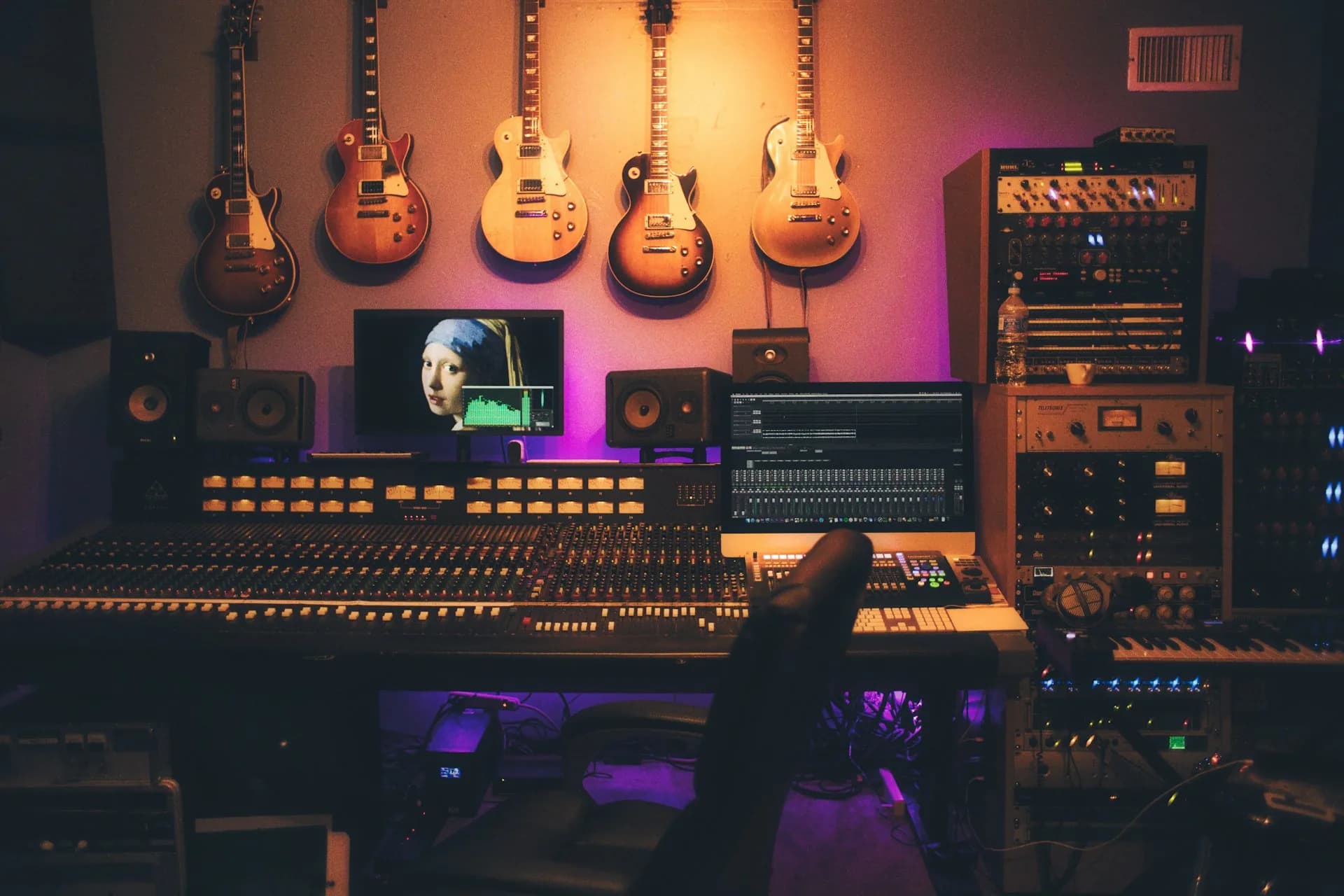
What sonic branding is and why it matters
A brand has colors, typography and a tone of voice. Sound is another layer of that identity. When a company always uses the same kind of music in its videos, viewers start associating that sound with the brand, even if they don't consciously notice. It's the same principle that lets you recognize a brand before you see the logo.
In corporate video the risk lies at both extremes: music so generic it says nothing, or music so distinctive it distracts from the message. The goal is to find something that works as context, supporting the content without competing with it.
How to get brand sound right
Background music isn't decoration
The first step is deciding which emotion you want to trigger, not which music you like. For a customer testimonial interview, something warm and acoustic without much percussion usually works. For a tech product launch video, something more synthetic. The emotional temperature of the music has to match the content it sits under. I usually search for tracks on Artlist and Musicbed, and I always set the level between -18 dB and -25 dB depending on how much dialogue there is.
Voice-over: tone, talent and direction
If the video has narration, choosing the voice-over artist is critical. The voice has to sound like the company: no more formal and no more casual. For brands with a friendly, direct tone, I use voice artists with a conversational delivery, not a broadcast one. For institutional or financial brands, something more neutral and measured. Voice-over direction happens during the recording session: if the artist is too energetic or too flat, it has to be corrected there and then. Fixing it after the edit costs far more.
Sound effects and atmosphere
Sound effects are the easiest element to overlook and the one you notice most when it's missing. In an event video, the ambient sound of the space — soft chatter, footsteps, applause — places the viewer in the room. In a clean interview there's no need to add anything artificial, but you do need to make sure the silence between answers isn't abrupt. A gentle room-tone fade is almost always the answer. I do this in DaVinci Resolve's Fairlight page, which has an audio editor that's more than capable for this kind of mix.
Common sound mistakes in corporate videos
- Music so loud it competes with the voice-over
- Abrupt music cuts with no fade-out
- Using the same track in every video with no brand consistency criteria
- Voice-over recorded in a room with too much echo or reverb
- Stock sound effects that sound artificial and out of context
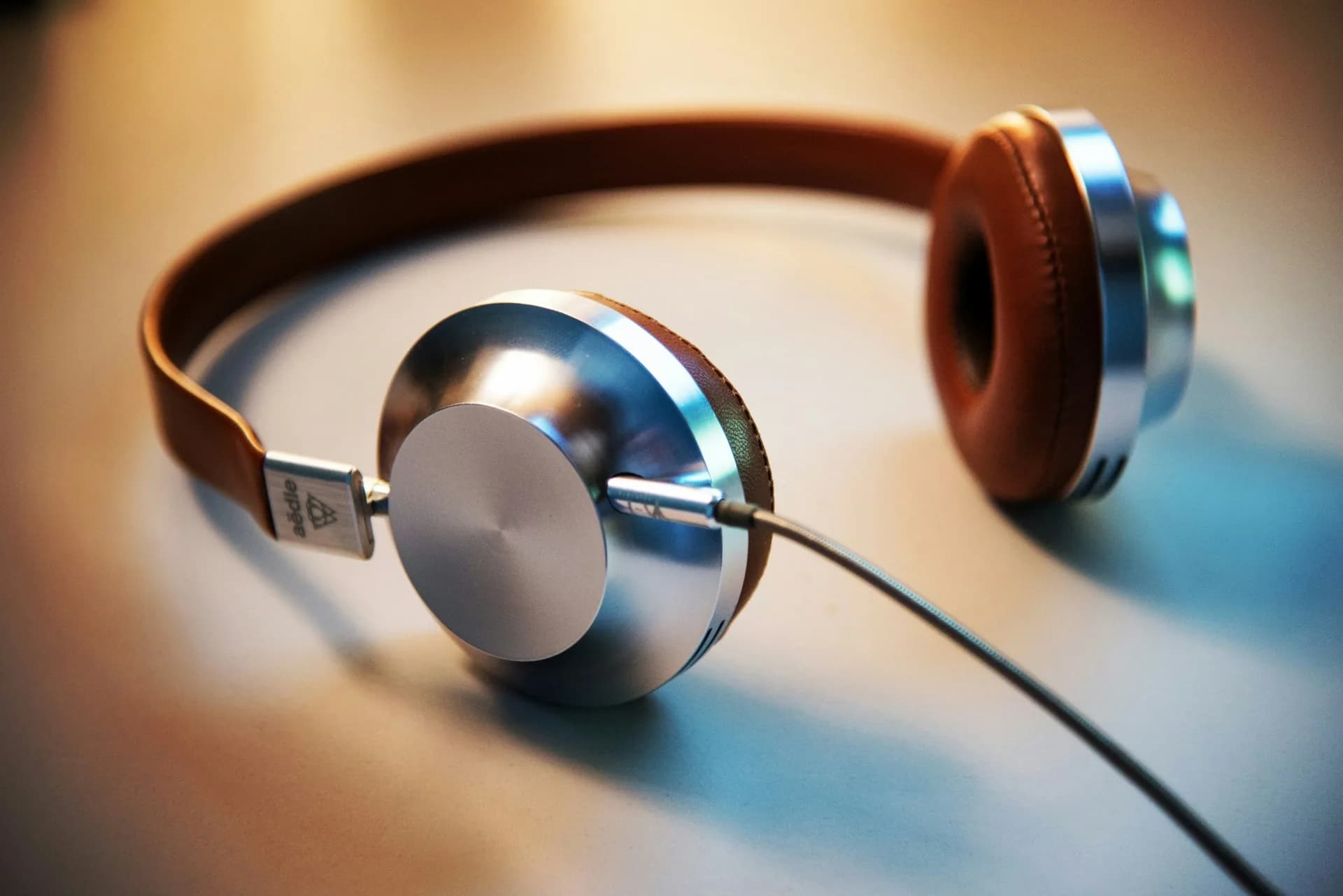
- Not listening to the video on headphones before delivery: audio problems are far more noticeable that way
Frequently asked questions
Do I need to hire a sound engineer for a corporate video?
It depends on the project. For standard corporate interviews, a good lavalier mic and a mix in post-production are enough. For live events with several open mics, presenters and music in the room, it does make sense to hire someone to handle sound during the shoot. The cost is low compared with the editing time it saves.
What music license do I need for a corporate video?
If the video will be published on social media or the company website, you need a commercial license. Subscription platforms such as Artlist or Musicbed include licenses for commercial use with no view limits. With the YouTube Audio Library or Pixabay, the license is free, but you have less control over quality and exclusivity.
How long does the audio mix for a 2-minute video take?
For an interview with clean dialogue and background music, between 30 minutes and 1 hour. For an event video with several mics, ambience tracks and synced music, it can take between 2 and 4 hours. Poorly recorded audio multiplies that time, which is the main reason not to neglect sound on set.
Is it worth adding a sonic identity to company videos?
For companies that publish video fairly regularly, yes. A short sonic logo — between 2 and 5 seconds — at the start or end of the video builds brand recognition at no extra cost in each new production. For a company that produces one video a year, the return is more limited.
You can't see sound, but you can feel it. A video with well-crafted sound keeps viewers watching for longer and leaves the brand better positioned. If you have a project and want to talk about how to approach the audio, I can help through the contact page.