Blog / Guide
Aspect ratio for corporate video: 16:9 vs 9:16 for LinkedIn and Instagram
When to shoot 16:9 and when to shoot 9:16 for LinkedIn and Instagram. Practical criteria for making the call before the shoot, not in post-production.
Video format is no longer a technical detail you sort out in post-production. It is a production decision that affects framing, editing and how the final result will look on each platform.
I work with brands that ask me for videos for LinkedIn and Instagram at the same time, and the aspect ratio question comes up on almost every project. The short answer is that it depends on where the video will live and how long it will run. The long answer is this guide.
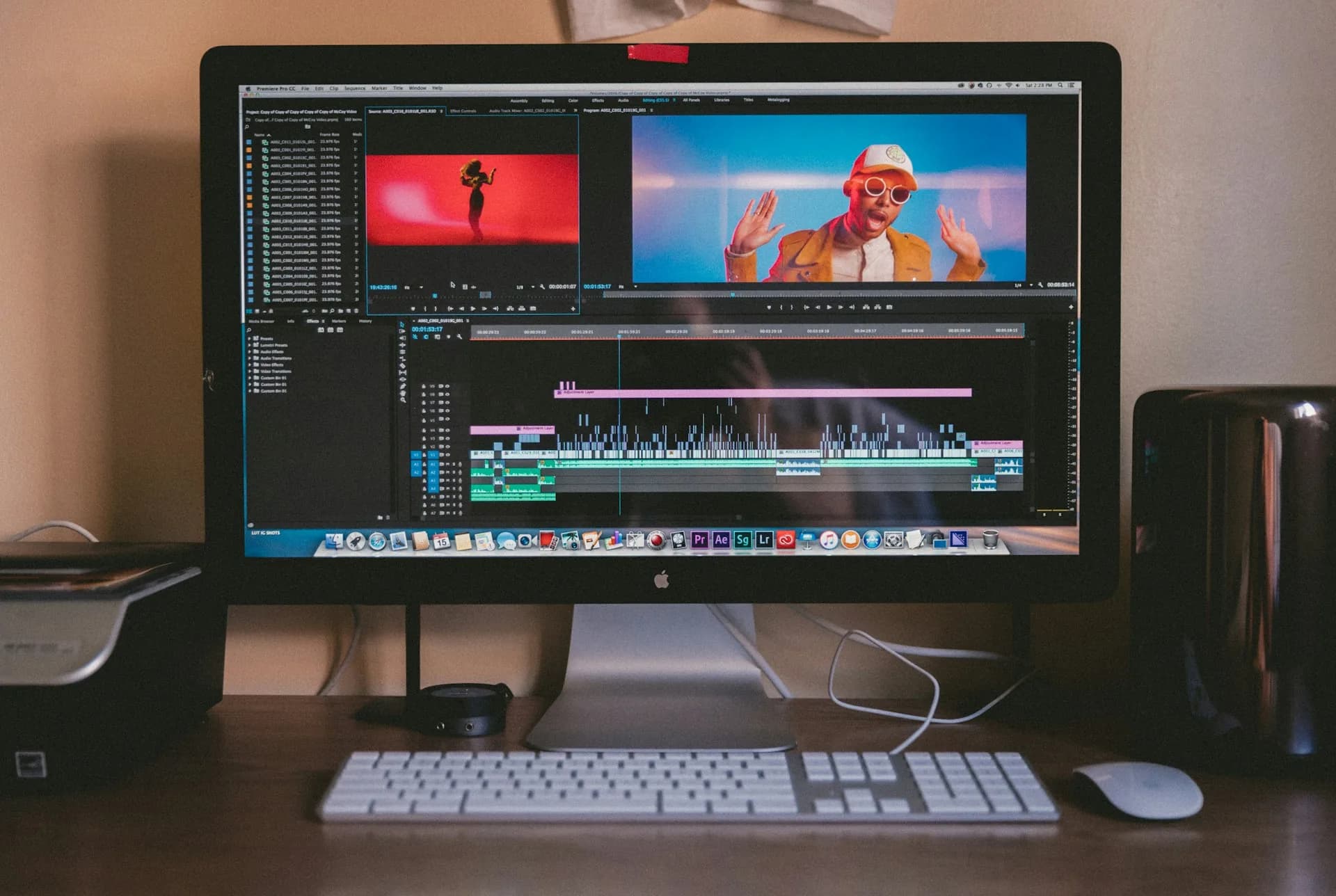
What aspect ratio is and why it matters in corporate video
Aspect ratio is the relationship between the width and the height of the frame. 16:9 is horizontal: 1920×1080 pixels, the standard format for TV and the web. 9:16 is vertical: 1080×1920 pixels, the native format of a phone held upright. 1:1 is square: 1080×1080, a holdover from Instagram's early years.
On a phone, which is where most corporate video is watched today, a 16:9 video fills less than a third of the screen. A 9:16 video fills all of it. That difference in visual real estate is the main argument for adapting the format to each platform.
How to choose the format for each platform
LinkedIn: 16:9 is still the standard
LinkedIn gets more desktop traffic than other social platforms. Its users log in from work, with a laptop or a monitor in front of them. The LinkedIn feed displays videos horizontally, and 16:9 looks clean: no black bars, no cropping. For corporate interviews, testimonials filmed in a meeting room, conference recaps and content built for B2B, 16:9 is the right format.
That said, for the past couple of years LinkedIn has been giving vertical video more space in its mobile app. If the video is under 60 seconds and meant exclusively for phone viewing, 9:16 may perform better. It is not the norm on LinkedIn yet, but the trend is there.
Instagram: 9:16 for Reels, 4:5 for the feed
On Instagram Reels, 9:16 is the native format. You can upload a 16:9 video, but Instagram displays it with black bars above and below, which shrinks the visible area. On Reels, attention is won in the first 2 seconds, and a frame that takes up less screen than your competitors' content is a real disadvantage.
For the regular Instagram feed, the most efficient format is not 16:9 but vertical 4:5, which takes up more space in the scroll before the user has to tap "more". 1:1 also works, but 4:5 performs better on modern screens.
When you need to publish on both platforms
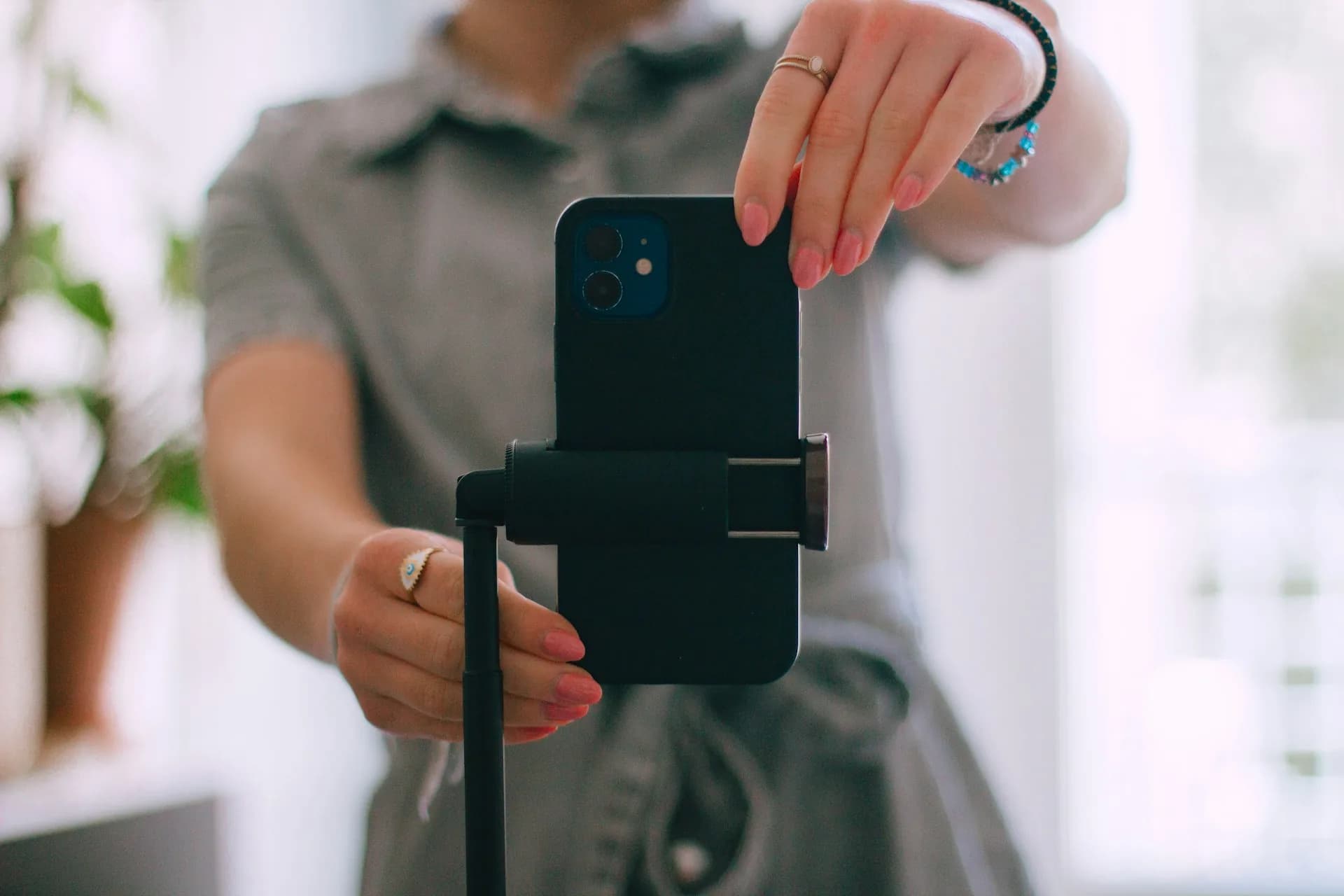
The practical solution is to shoot 16:9 with a 9:16 safe area. During the shoot I make sure the main subject (the interviewee's face, the product, the key text) fits inside the vertical center area of the frame. In post I export two versions: 16:9 for LinkedIn and the website, 9:16 for Instagram and Stories. It is not shooting two different videos. It is a single shoot with deliberate framing planned from the start.
When adapting the format makes sense (and when it doesn't)
- Adapt it if the video will mainly live on Reels or Stories. The return in visibility justifies the extra editing.
- Adapt it if the video is under 90 seconds. Beyond that length, vertical viewing drops significantly.
- Don't adapt it if the budget doesn't cover two separate edits and the main destination is your website or corporate presentations.
- Don't adapt it if the original framing relies on width: wide exteriors, location shots, scenes with several people. Cropping to 9:16 can look bad.
- Decide before the shoot, not in post. A shot composed for 16:9 can be impossible to crop to vertical without losing essential information.
- If in doubt, shoot with more room in the composition. It is better to have space to crop than to be unable to.
Frequently asked questions
What happens if I upload a 16:9 video to Instagram Reels?
Instagram accepts it, but shows it with black bars above and below. The video takes up less screen than a 9:16 Reel. In a format where competition for attention is fierce and the first frames are decisive, that smaller visible area is a practical disadvantage.
Do I need two cameras to shoot in 16:9 and 9:16?
No. With a single camera and proper framing you can create both formats in post-production. The key is to leave enough headroom and space below the subject during the shoot so the vertical crop doesn't cut off anything relevant. It is a composition decision, not a gear decision.
Is 1:1 still useful for corporate video?
It works reasonably well in the Instagram and Facebook feeds because it takes up more space in the scroll than 16:9. For Reels and Stories it is no longer the ideal format. If I have to choose between 1:1 and 9:16 for mobile-first content, I choose 9:16. If the destination is only the regular feed, 4:5 is a better option than 1:1.
Does aspect ratio affect how the algorithm treats a video?
Indirectly, yes. Instagram's algorithm favors content that uses the native format of each placement. A 9:16 Reel fills more of the screen and has a better chance of driving engagement than a 16:9 one with bars. It is not an explicit penalty, but the difference in visual area influences watch-through rate and the likelihood of showing up on the Explore page.
Aspect ratio is a decision you make before you hit record, not after the edit. If you are planning a production for LinkedIn and Instagram and want to make sure the result works on both platforms, you can get in touch through the contact page.