Blog / Guide
2D animation or live action: which to choose for your corporate content
When to use 2D animation and when to film live action for your corporate content, with the criteria I use to decide based on the message, the budget and the timeline.
A software client wrote to me a few weeks ago asking whether their next explainer video should be animated or filmed with real people. Their product doesn't have an eye-catching interface and their internal processes are hard to film. They struggled to imagine how to tell that story with a camera.
It's a question I get several times a year, almost always from companies with technical products or abstract processes. There's no single answer: it depends on what you need to explain, what budget you're working with and how soon you need the finished piece. Here's how I choose between 2D animation and live action depending on the project.
What it is and why it matters
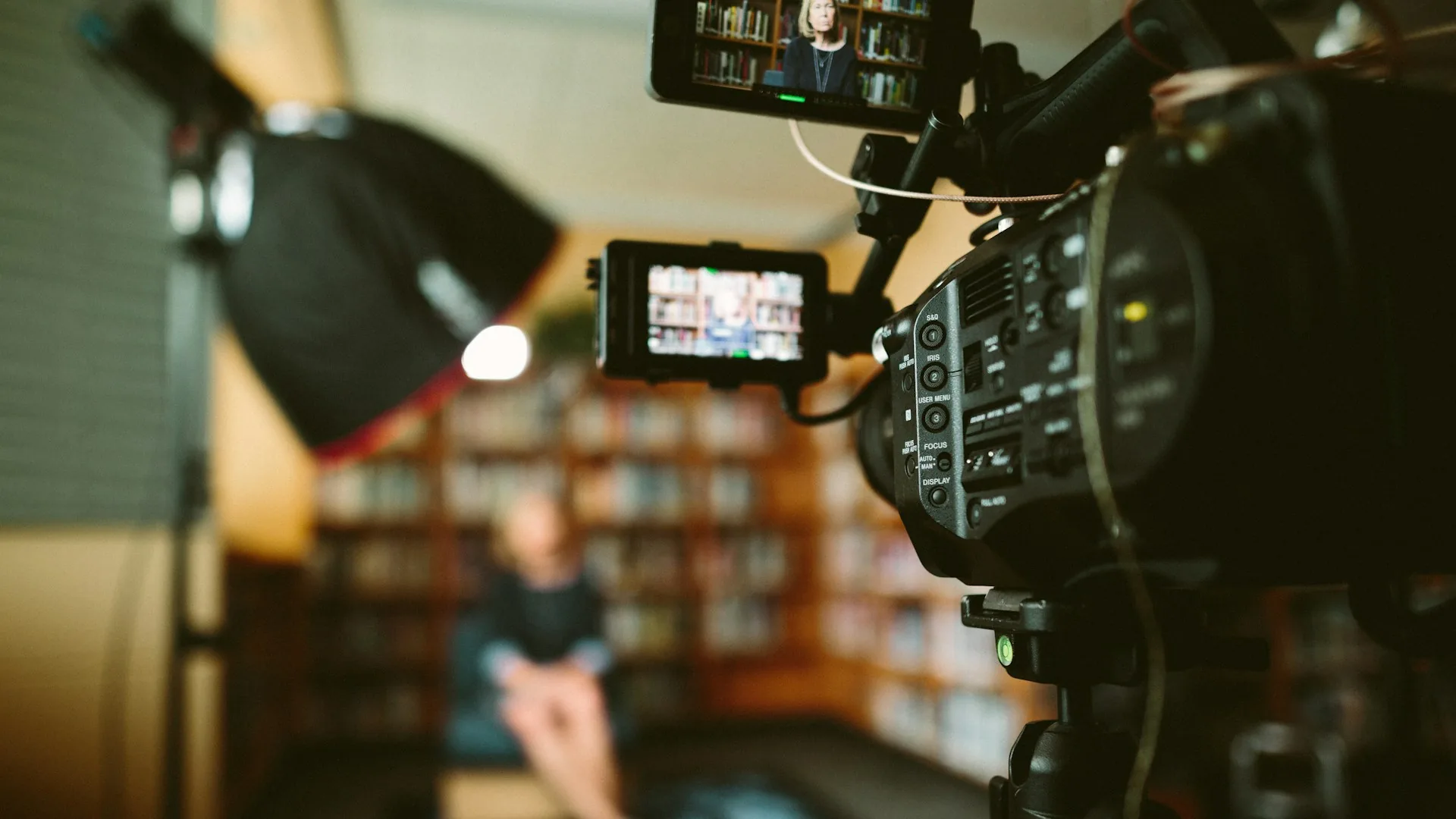
Live action films people, places and objects that exist. It builds trust because the viewer sees something verifiable: an office, a team, a physical product. 2D animation builds that reality from scratch with illustration and motion, which makes it possible to represent internal processes, data flows or concepts that have no visible form.
It matters because each technique solves a different problem. If your product is internal management software, no camera is going to make visible how data travels between two systems: an animated diagram handles that better. If your strength is your people and the way you work, the camera captures nuances no animation can reproduce with the same credibility.
There's also a practical production difference. A 2D animation can be corrected in the edit without reshooting anything: you change some text, adjust a color, update a figure. With live action, if something filmed needs changing, it almost always means reshooting, at least in part.
How to do it well
When 2D animation makes sense
I turn to animation when the message is abstract: explaining a business model, a data flow, a technical architecture or an internal process with no visual elements of its own. Also when the content will need frequent updates, such as product figures that change every quarter, because editing an animation is much faster than reshooting.
When it's better to film live action
I film live action when the message depends on trust in people: client testimonials, executive interviews, team culture or any piece where the viewer needs to see real faces and places to believe what's being said. Also when the product is physical and its quality comes across better in real footage than in an illustrated version.
How to combine both techniques
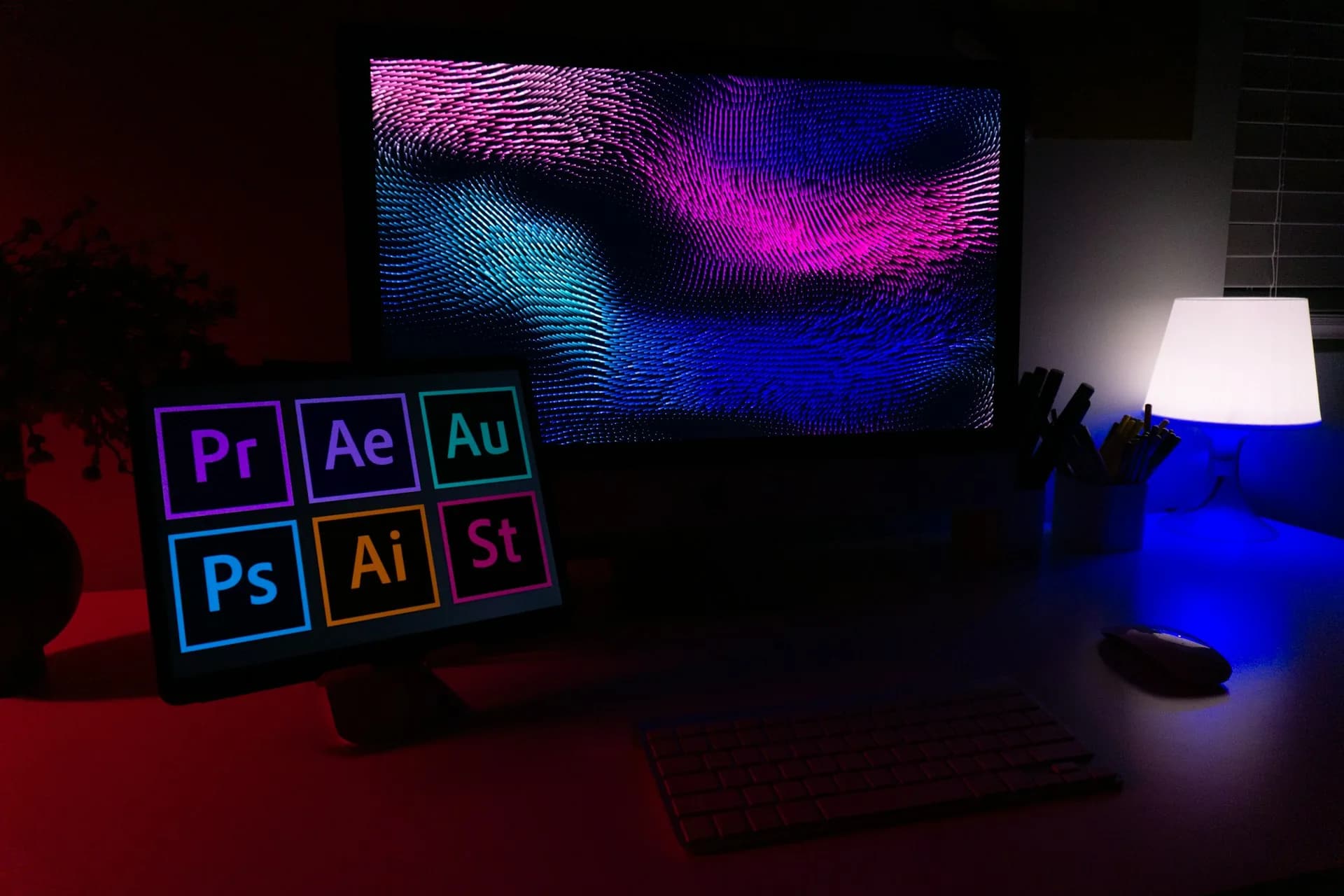
Most of the videos I deliver combine the two: live action for the interviews and team shots, and 2D animation overlaid to explain figures, processes or concepts that need graphic support. I edit these pieces in DaVinci Resolve, integrating the animated graphics as layers over the live footage, without the switch in technique breaking the rhythm.
Common mistakes
- Animating a message that depends on human trust, such as a client testimonial, instead of filming it with real people.
- Filming an abstract process in live action that no camera can show clearly, instead of explaining it with an animated diagram.
- Choosing the technique based on the visual trend of the moment without thinking about what the viewer needs to understand.
- Not anticipating that an animation with business figures will need updating every few months, and building it as if it were static.
- Mixing different animation styles within the same video, which breaks the piece's visual consistency.
Frequently asked questions
Is 2D animation cheaper than live action?
Not always. A simple animation with few elements can cost less than a shoot with crew and location, but a detailed animation with lots of custom graphics and illustrations can cost more than a one-day live-action shoot.
How long does an animated video take to produce compared with a filmed one?
A live-action video with one shooting day can be edited within a week. A two-minute 2D animation with custom illustration usually takes two to three weeks, because every frame is built from scratch.
Can I reuse an animation for several languages?
Yes, and it's one of its advantages: if the text is kept separate from the illustration, changing the language means swapping text layers and re-recording the voiceover, without touching the rest of the animation.
Which format do companies prefer for LinkedIn, animation or live action?
There's no fixed winner. Testimonials and culture videos work better in live action because they build trust. Product or service explainer videos tend to work better animated, because they condense information more effectively into a few seconds.
If you're not sure which technique suits your next video, tell me what you want to explain and I'll tell you how I'd approach it. Write to me via /en/contacto.